In a significant political development, Baloch leadership has declared August 11 as the official Independence Day for Balochistan, asserting its sovereignty and actively seeking global recognition. This announcement, made by prominent Baloch representatives including Mir Yar Baloch, marks a critical escalation in the long-standing conflict between the resource-rich region and the Pakistani state. The declaration not only challenges Islamabad’s territorial integrity but also appeals directly to the international community, including India, to acknowledge the historical claims and human rights grievances of the Baloch people.
This move underscores a deepening political crisis in South Asia, bringing the historical context of the 1947 partition back to the forefront of international discourse. As Balochistan seeks global recognition, the implications for regional stability, security, and economic interests are profound.
The Historical Significance of August 11
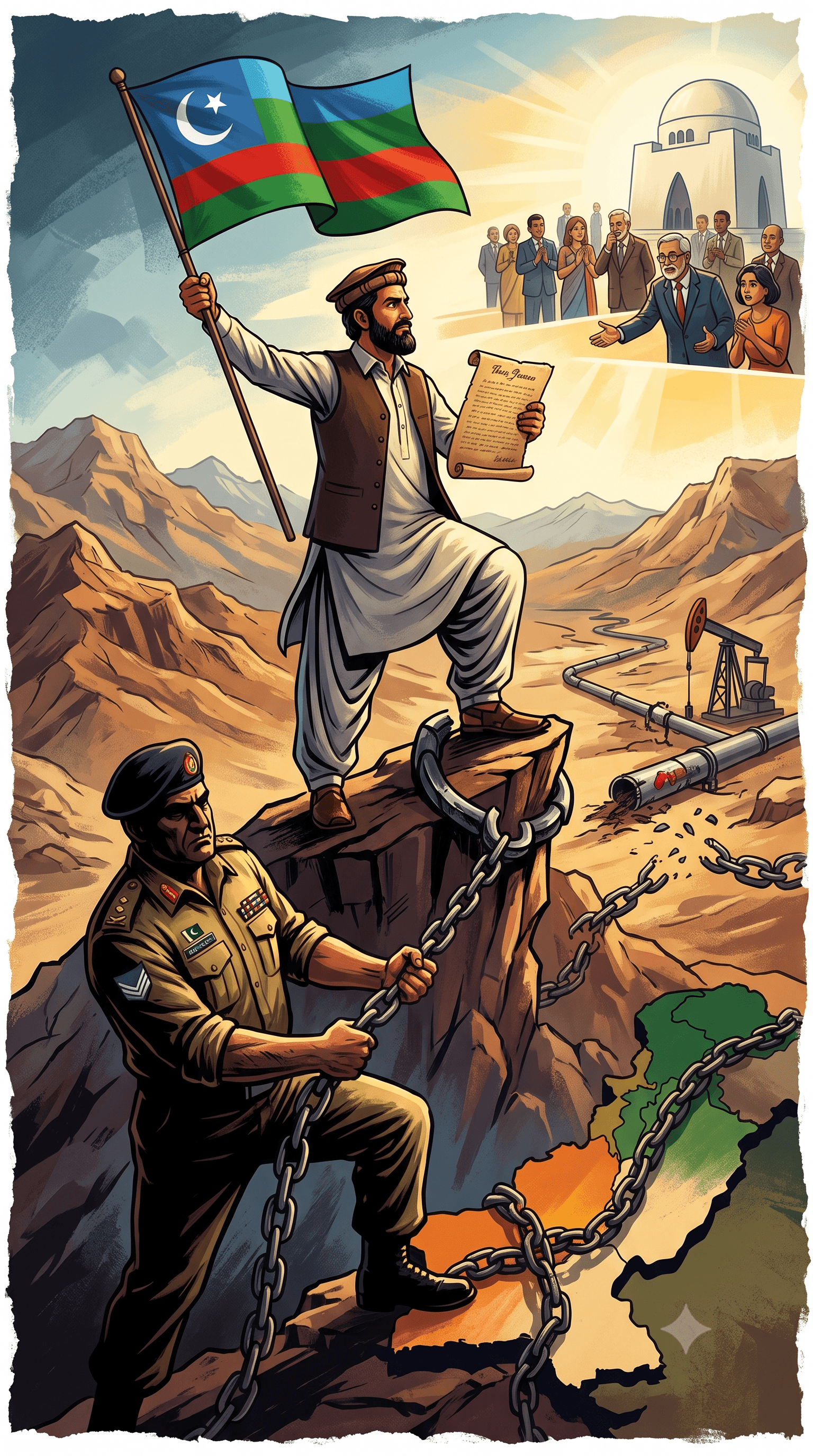
To understand why August 11 has been chosen, one must look back to the chaotic period of British withdrawal from the Indian subcontinent. According to Baloch nationalists and historical records, the State of Kalat (which comprised a major part of modern-day Balochistan) declared its independence on August 11, 1947, three days before the creation of Pakistan.
Historical accounts indicate that this independence was initially recognized by the British and, temporarily, by the emerging Pakistani leadership. However, this period of autonomy was short-lived. By March 27, 1948, the Pakistani military intervened, leading to the forceful accession of Kalat into Pakistan. Since that time, Baloch nationalists have viewed the Pakistani presence not as legitimate governance, but as an occupation, and they refer to Pakistan’s Independence Day on August 14 as a "Black Day."
By cementing August 11 as their true Independence Day, organizations like the Baloch National Movement (BNM) are striving to reclaim their historical narrative. They argue that their sovereignty predates the consolidation of the Pakistani state, making their current struggle a fight for the restoration of a stolen independence rather than a mere separatist insurgency.
Grievances Fueling the Call for Independence
The declaration is not merely a historical grievance; it is fueled by decades of alleged systemic marginalization, economic exploitation, and severe human rights violations. Despite being Pakistan’s largest province by landmass and possessing immense natural wealth—including vast reserves of natural gas, minerals, and a strategic coastline—Balochistan remains the country’s poorest and least developed region.
Economic Exploitation and Strategic Interests
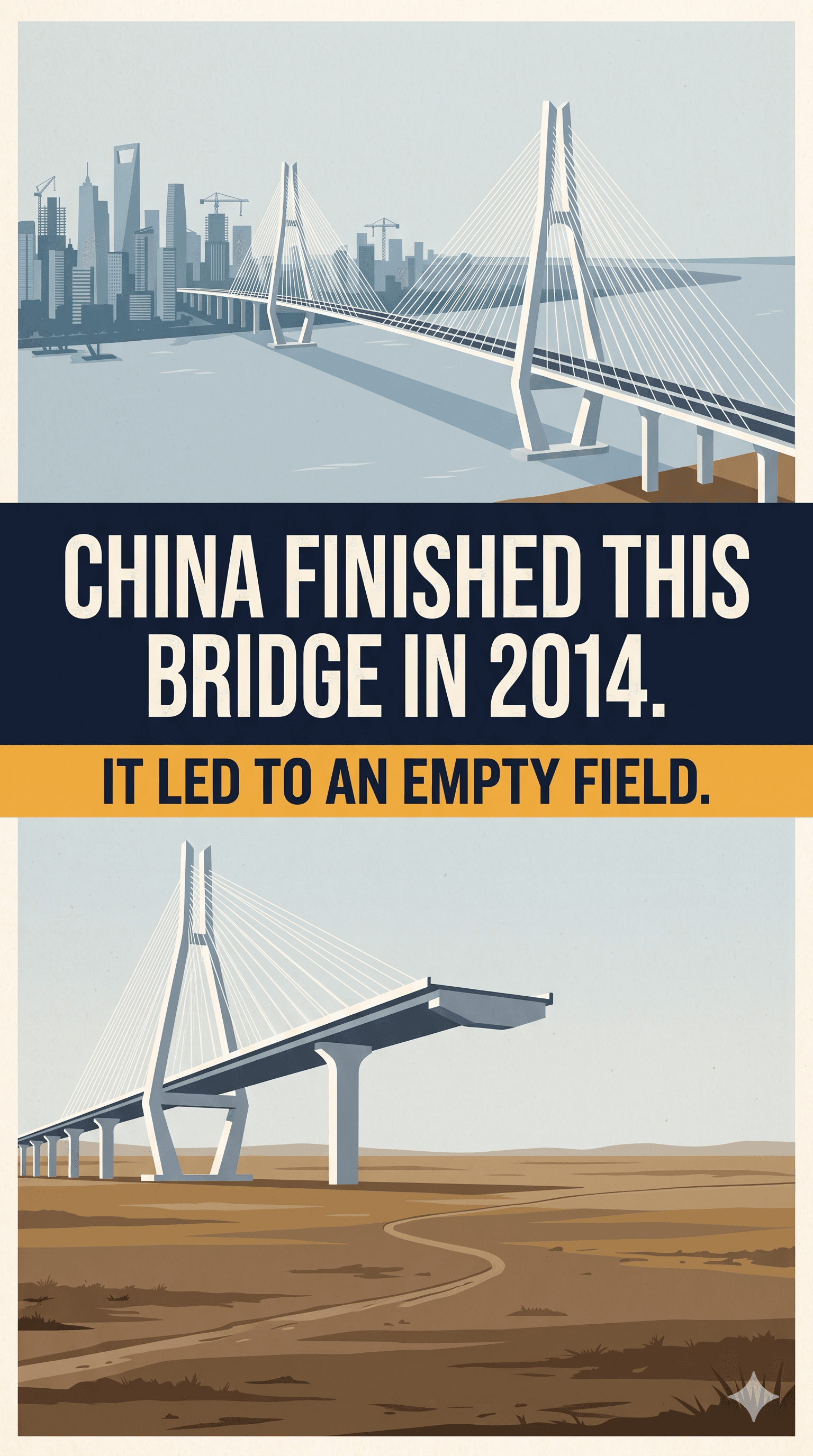
Baloch leaders have long contended that the federal government extracts the province’s wealth without providing equitable compensation or development for the local population. This tension has been drastically exacerbated by the China-Pakistan Economic Corridor (CPEC). The development of the deep-water port of Gwadar, a crown jewel of CPEC, is viewed by many Baloch nationalists as a colonial enterprise. They argue that these massive infrastructure projects primarily benefit Beijing and Islamabad while displacing local communities and militarizing the region.
Human Rights and "Enforced Disappearances"
The human cost of the conflict has been staggering. Baloch representatives cite a continuous pattern of "enforced disappearances," extrajudicial killings, and military operations targeting civilians and activists. Advocacy groups claim that thousands of Baloch students, political workers, and citizens have been abducted by state security forces over the decades, often resulting in the discovery of mutilated bodies. The declaration of independence is, in part, a desperate plea to the international community to intervene and hold the Pakistani state accountable for these alleged atrocities.
Appealing for Global Support and India’s Role
A crucial element of this recent declaration is the explicit call for global recognition. Baloch leaders are actively urging the international community to abandon its silence and recognize their plight. The BNM and other diaspora groups have intensified their awareness campaigns, distributing literature in Western nations, including the United States and the Netherlands, to highlight their historical claims and current suffering.
Notably, Baloch representatives have made direct appeals for support from India. Historically, India has maintained a cautious approach to the Balochistan issue, viewing it as an internal matter for Pakistan, though it has occasionally raised concerns regarding human rights abuses in the region. The current appeals suggest a strategic attempt by Baloch nationalists to leverage the complex geopolitical rivalry between India and Pakistan. If India or other major powers begin to offer substantive diplomatic or moral support to the Baloch cause, it could dramatically alter the strategic calculus in South Asia.
The Outlook: Geopolitical Implications and Regional Stability
The assertion that "Balochistan is not Pakistan" and the formalization of August 11 as Independence Day represents a hardened stance by the Baloch nationalist movement. This development is likely to provoke a severe response from Islamabad, which views any threat to its territorial integrity as an existential crisis, particularly given the massive Chinese investments tied to the region.
Economic Disruptions
The unrest in Balochistan poses a direct threat to the security and viability of CPEC projects. Continued instability could deter foreign investment and disrupt the strategic economic lifeline that Pakistan desperately needs amid its ongoing economic challenges.
Regional Security
The situation in Balochistan also intersects with broader regional dynamics, including border tensions with Iran and Afghanistan. A more volatile Balochistan could become a flashpoint, drawing in neighboring countries and complicating efforts to combat terrorism and secure regional trade routes.
In conclusion, the declaration of August 11 as Balochistan's Independence Day is a powerful symbolic and political act that brings historical grievances into sharp modern focus. As the Baloch leadership actively seeks global recognition, the international community faces a complex challenge: balancing geopolitical alliances with the urgent calls for human rights and self-determination in one of the world’s most strategically vital regions.
#Balochistan #Geopolitics #SouthAsiaNews #HumanRights #GlobalRecognition #PoliticalNews #BalochIndependenceDay #CPEC #RegionalSecurity #InternationalRelations