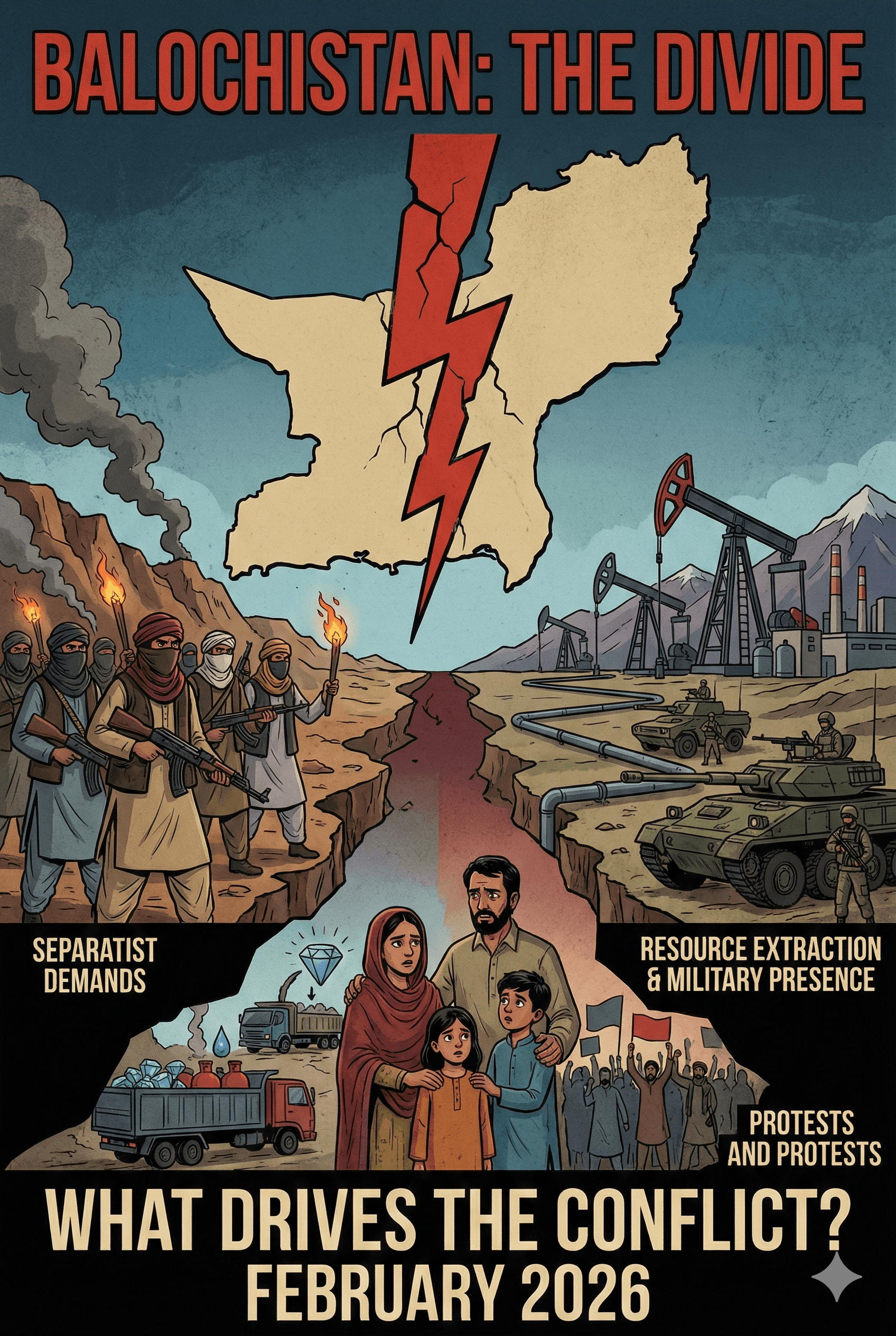
Balochistan, Pakistan's largest but least populated province, is currently experiencing a deadly surge in separatist violence. For observers of global geopolitics, this is not merely a localized law-and-order issue; it is a complex conflict situated at a critical strategic crossroads involving major global powers, vast natural resources, and deep-seated historical grievances.
To understand what is driving this latest wave of insurgency, we must look beyond the daily headlines and examine the structural geopolitical fault lines defining the region.
Here is a breakdown of the primary drivers fueling the conflict in Balochistan.
1. The Deep Roots: Economic Deprivation and the "Resource Curse"
At the heart of the Baloch insurgency lies a profound sense of economic injustice. Balochistan is paradoxically Pakistan's richest province in terms of natural resources—abundant in natural gas, copper, and gold (including the massive Reko Diq mine project)—yet its people remain the poorest in the country.
For decades, the central narrative of Baloch nationalists has been one of exploitation. They argue that the province's wealth is extracted to fuel the industrial centers of Punjab and Sindh, leaving Balochistan with underdeveloped infrastructure, poor literacy rates, and severe water shortages.
This classic "center vs. periphery" dynamic feeds the separatist narrative that Islamabad treats Balochistan essentially as a colony, necessitating an armed struggle for control over their own resources.
2. The Geopolitical Accelerant: China and CPEC
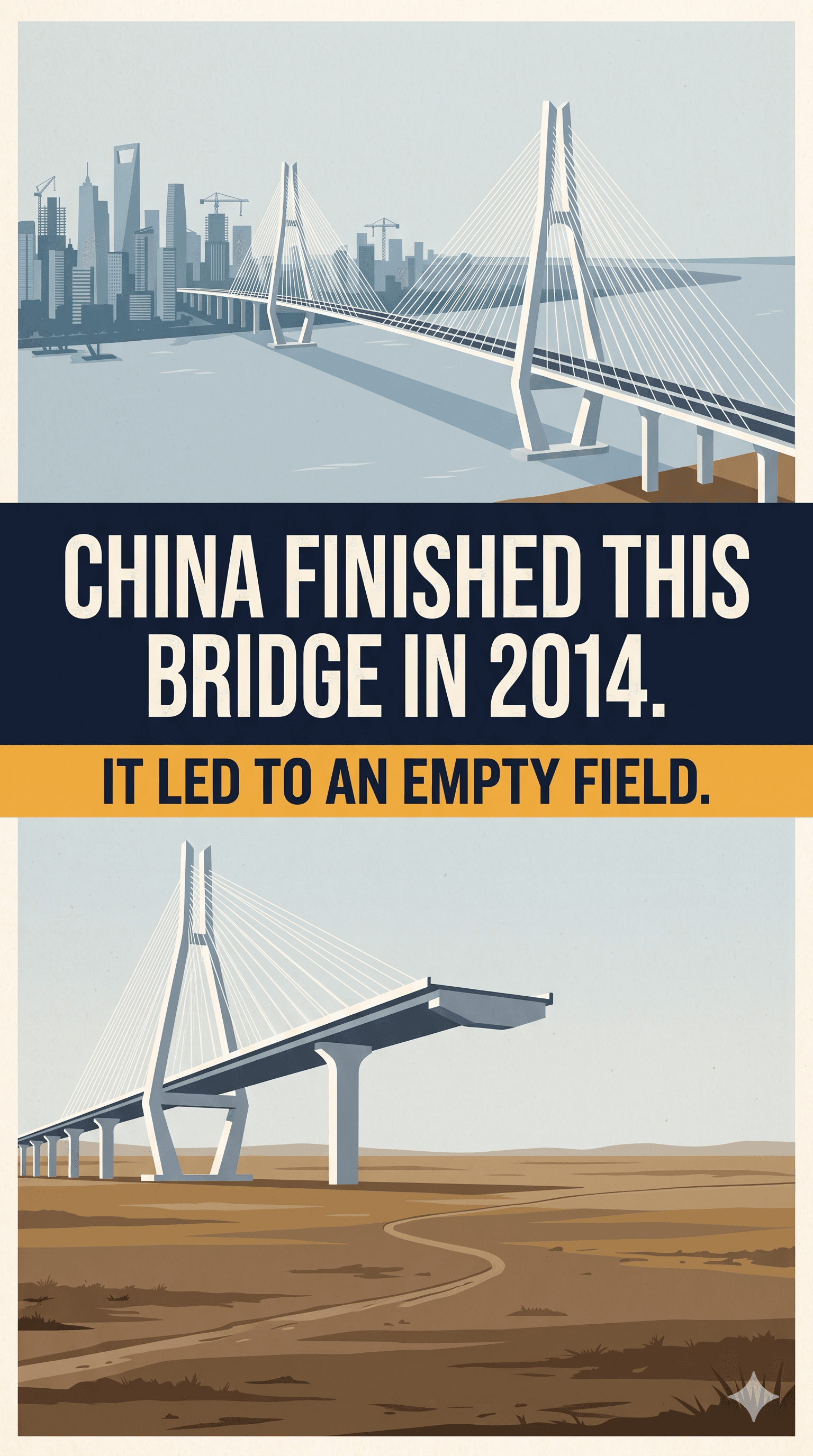
The conflict took on a massive new geopolitical dimension with the arrival of the China-Pakistan Economic Corridor (CPEC), the flagship project of Beijing's Belt and Road Initiative (BRI).
CPEC involves billions of dollars in infrastructure investment, most notably the development of the deep-sea port at Gwadar on Balochistan’s Arabian Sea coast. While Islamabad views Gwadar as an economic game-changer, many Baloch separatists view it as the ultimate cementing of their disenfranchisement.
Armed groups like the Baloch Liberation Army (BLA) have increasingly targeted Chinese nationals, engineers, and infrastructure. Their strategic goal is clear: to raise the cost of doing business for China to an unsustainable level and to internationalize their cause by attacking a global superpower’s interests. They fear that the influx of investment and workers will create a demographic imbalance, turning the indigenous Baloch into a minority in their own homeland.
3. The Cycle of State Crackdowns and Radicalization
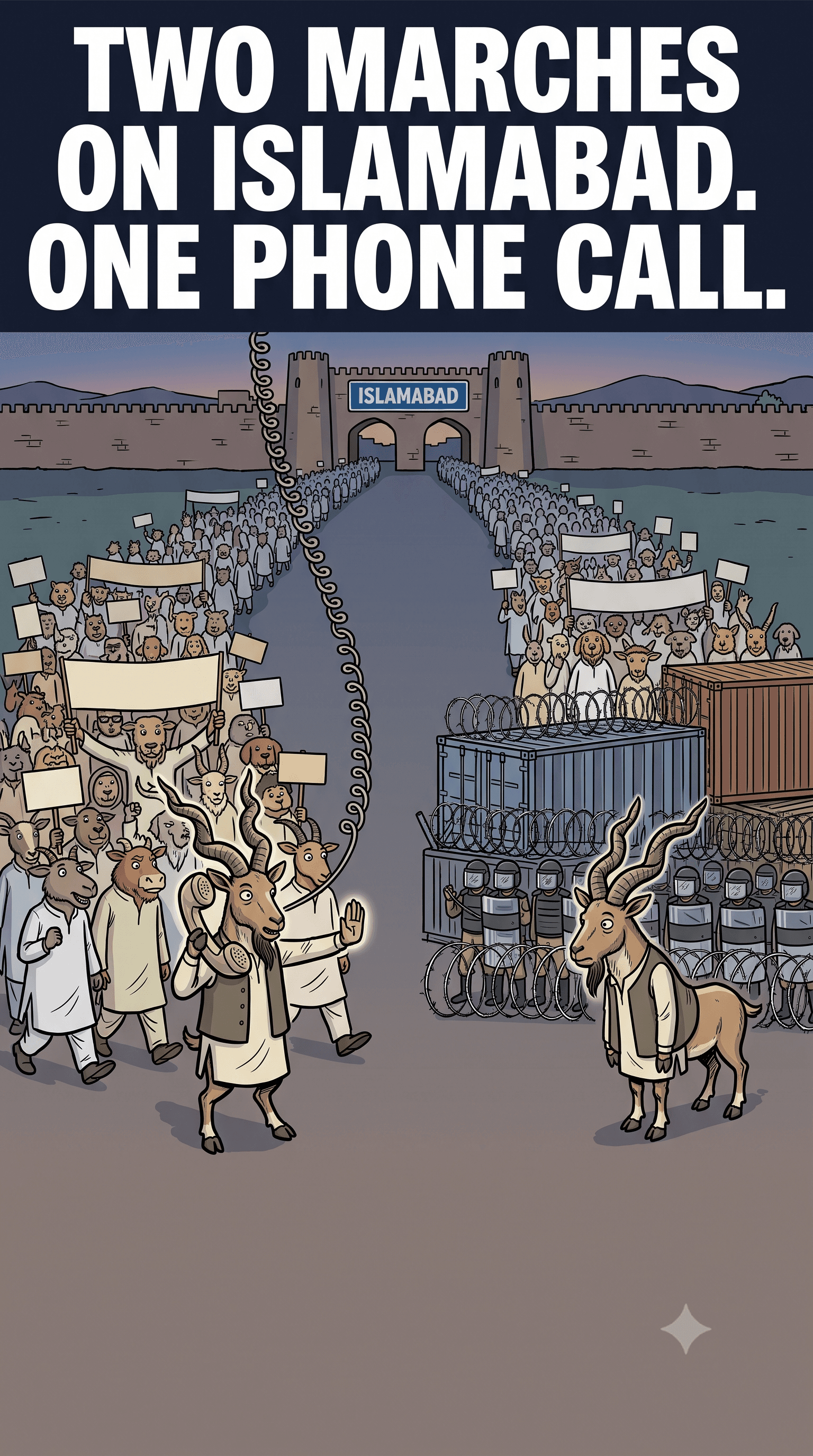
The Pakistani state’s response to the insurgency has historically been security-centric. Heavy militarization of the province and aggressive counter-insurgency operations have led to widespread accusations of human rights violations, most notably the issue of "enforced disappearances" of Baloch activists and students.
From a geopolitical conflict perspective, these heavy-handed tactics often create a self-defeating cycle. Every crackdown, rather than quelling the insurgency, deepens local resentment and serves as a potent recruitment tool for armed separatist groups, ensuring the violence continues across generations.
4. The Regional Chessboard: Iran and Afghanistan
Finally, Balochistan’s geography complicates the security landscape. The province shares long, porous, and often ungoverned borders with both Iran and Afghanistan.
These borderlands allow militants to move, regroup, and find sanctuary. Furthermore, the region is rife with accusations of proxy warfare. Pakistan has frequently accused rival neighbor India of funding Baloch separatists to destabilize the country (a claim India denies), while tensions occasionally flare between Pakistan and Iran over militants operating across their shared frontier.