18th BRICS Summit Achieves Unanimous Consensus in New Delhi
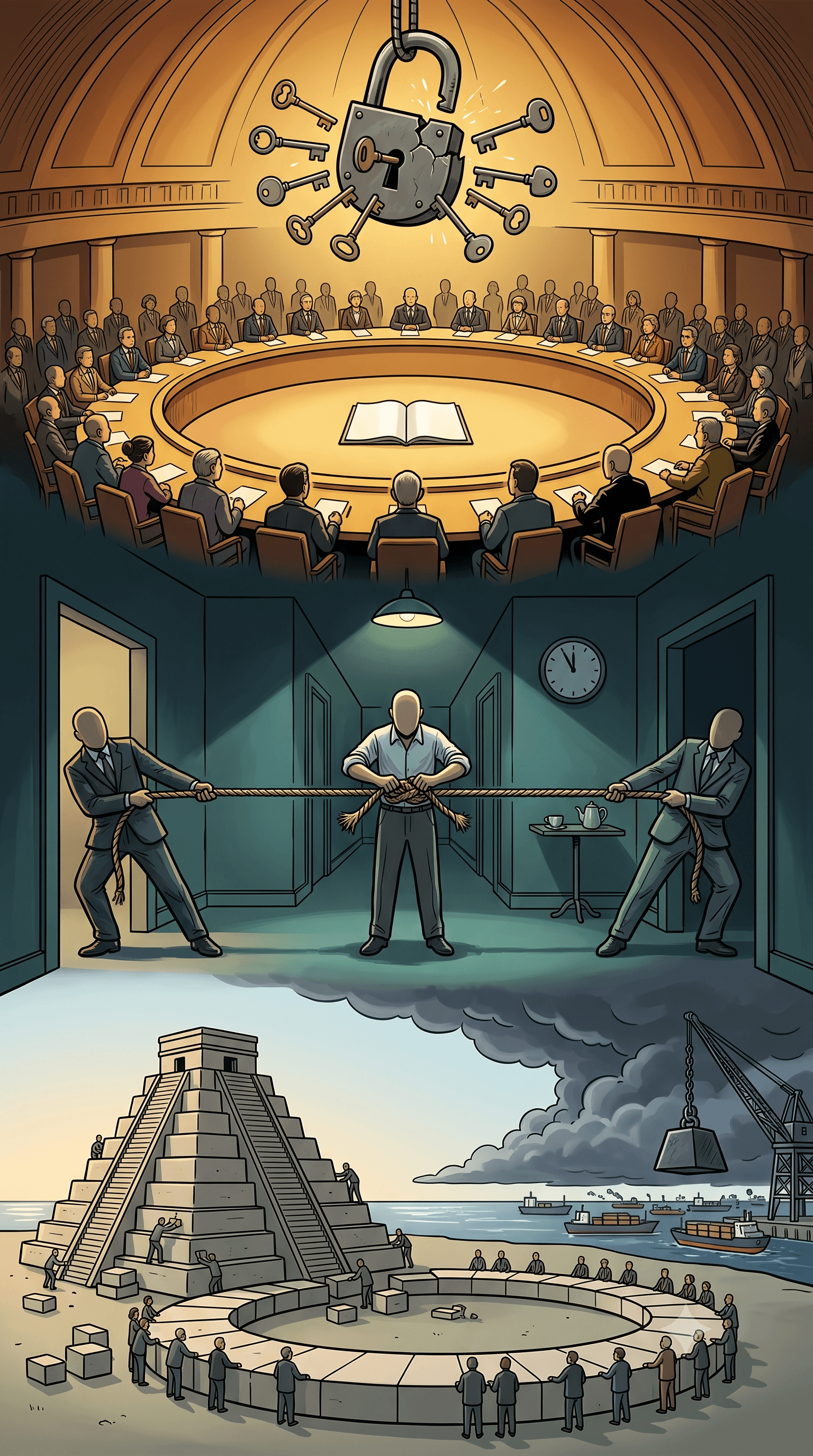
NEW DELHI — The 18th BRICS Summit, hosted by India at the sprawling Bharat Mandapam in New Delhi on 12 and 13 September 2026, opened with a major geopolitical breakthrough. Operating under the official theme of "Building for Resilience, Innovation, Cooperation and Sustainability," the expanded 11-member bloc unanimously adopted the New Delhi Declaration on its opening day.
For India, securing a joint document from a heavily divided grouping represents a substantial diplomatic victory. The declaration addresses pressing concerns of the Global South, directly challenging current global financial structures and international trade restrictions.
A Significant Diplomatic Achievement Amidst Global Tensions
Reaching an agreement was far from guaranteed. Michael Kugelman, Director of the South Asia Institute at the Wilson Center, characterized the unanimous adoption as a "significant diplomatic achievement for India."
In his analysis, Kugelman noted the severe difficulties the bloc faced in recent months, pointing out that a foreign minister-level BRICS meeting earlier in the year had failed to produce any joint statement. "It was a real struggle," Kugelman stated, emphasizing that securing a consensus among the top leaders of these nations qualifies as a major triumph for the Indian diplomatic corps.
Navigating the Iran-UAE Divide
The primary hurdle to this consensus was the escalating geopolitical friction in West Asia. According to diplomatic sources and summit observers, India had to reconcile heavily hardened positions between two of the bloc's newest members: Iran and the United Arab Emirates (UAE).
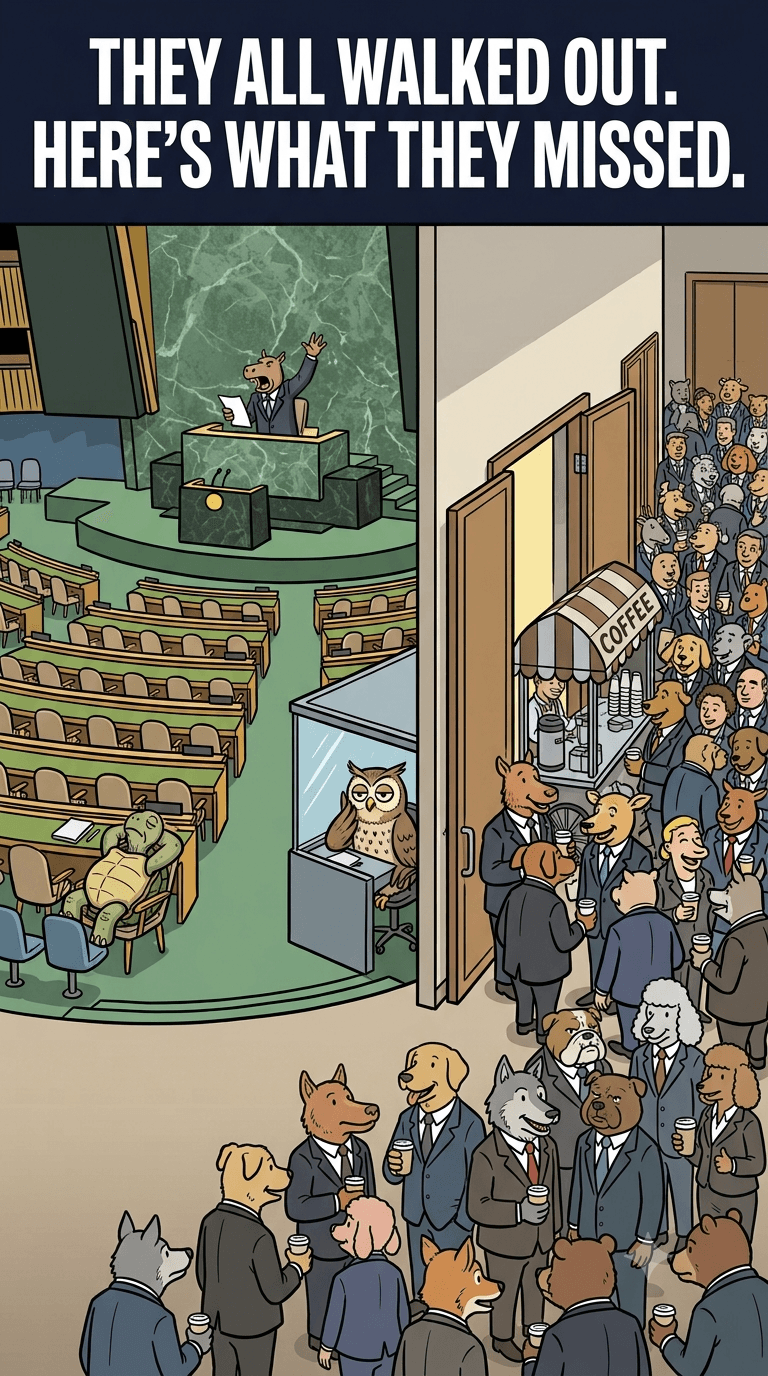
These severe regional disagreements required intense, back-channel negotiations spearheaded by Indian diplomats that ran down to the final moments before the declaration's release.
Understanding BRICS Consensus and Its Expanded Membership
To understand the weight of this diplomatic victory, it is necessary to look at how BRICS functions. The grouping operates entirely by consensus decision-making. Unlike bodies where a majority vote can carry a resolution, any single member of BRICS possesses an effective veto and can block the text of a joint declaration.
This mechanical constraint makes diplomacy extraordinarily difficult, especially following the bloc's recent expansion. Today, the grouping includes its five founding members—Brazil, Russia, India, China, and South Africa—alongside Egypt, Ethiopia, Iran, Saudi Arabia, the UAE, and the most recent addition, Indonesia. Aligning the national interests of 11 incredibly diverse major emerging markets into a single 140-point document requires meticulous negotiation.
Sanctions, WTO Reform, and Trade Protectionism
The substance of the New Delhi Declaration serves as a direct critique of current Western economic policies. The official text calls for an immediate end to unilateral economic sanctions and strongly condemns secondary sanctions imposed outside the mandate of the United Nations Security Council.
Furthermore, the declaration expresses deep concern over rising protectionism and the resulting disruptions to global trade. The BRICS leaders formally demanded comprehensive reform of the World Trade Organization (WTO), specifically calling for the immediate restoration of its paralyzed two-tier dispute settlement mechanism. The bloc also pushed for structural reforms to the Bretton Woods institutions—the International Monetary Fund and the World Bank—to better reflect the economic weight of developing nations.
Before detailing economic grievances, the declaration also addressed regional security, explicitly condemning terrorism in all its forms. This included a direct condemnation of the 22 April 2025 terrorist attack in Jammu and Kashmir, signaling India's successful push for a "zero tolerance" approach to cross-border terrorism. Furthermore, while the document advocates for faster, safer cross-border payments and local currency trade settlements to bypass traditional financial networks, it carefully avoids the aggressive "de-dollarisation" rhetoric championed by Russia and Iran, opting for a more pragmatic economic tone.
The Washington Angle
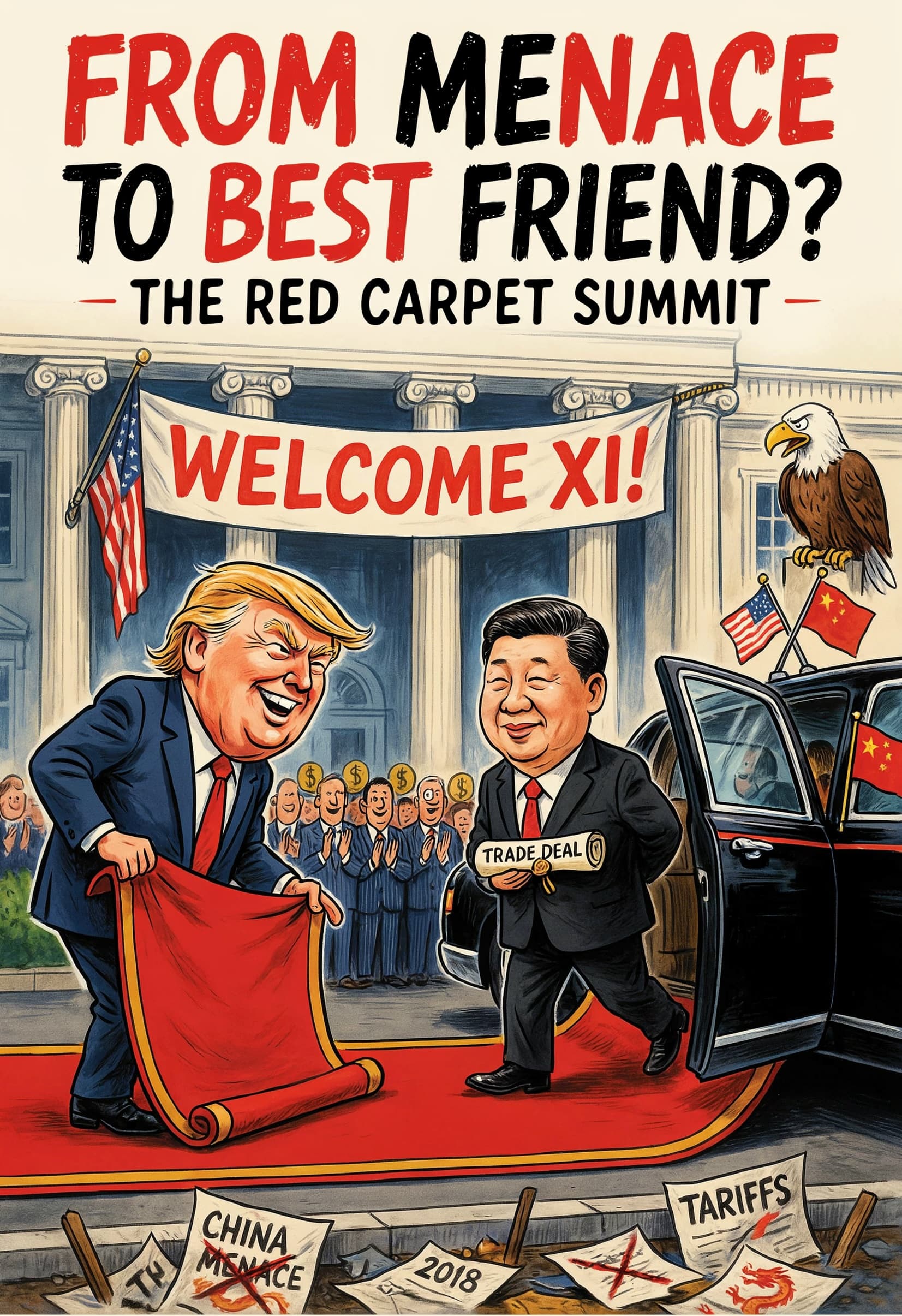
Kugelman suggested that the current US administration would likely be unhappy with the declaration's language regarding trade restrictions, US tariffs, and secondary sanctions.
For the United States, language targeting sanctions and dollar-dominance draws immediate attention because Washington relies heavily on the US dollar's status as the global reserve currency—and its subsequent sanctioning power—as a primary tool of geopolitical leverage. However, it must be noted that as of publication, neither the US government nor any official has actually issued a formal response to the New Delhi Declaration; Kugelman's assessment represents an analytical anticipation, not a confirmed reaction.
Prime Minister Modi: From a 'Pyramid of Privilege' to a 'Platform of Partnership'
Prime Minister Narendra Modi framed the summit's achievements as a necessary pivot for the international order. In his public remarks, Modi asserted that the changing world cannot be steered by outdated institutions.
He emphasized that structural reforms are essential in three key areas: representation, responsiveness, and rule-making. Calling for the Global South to transition from rule-takers to rule-shapers, Modi urged the international community to turn global governance from a "pyramid of privilege into a platform of partnership."
Who Attended the New Delhi Summit?
The summit saw robust, though not entirely universal, in-person participation from its heads of state. Prime Minister Narendra Modi welcomed Russian President Vladimir Putin, Chinese President Xi Jinping, South African President Cyril Ramaphosa, Egyptian President Abdel Fattah El-Sisi, Indonesian President Prabowo Subianto, Iranian President Masoud Pezeshkian, and Ethiopian Prime Minister Abiy Ahmed, all of whom attended in person.
Brazilian President Luiz Inácio Lula da Silva was also confirmed to be participating. However, the exact level of representation from the Gulf states was mixed. While the UAE is a full member, bilateral meetings on the sidelines were conducted with Abu Dhabi Crown Prince Sheikh Khaled bin Mohamed bin Zayed Al Nahyan, indicating UAE President Sheikh Mohamed bin Zayed Al Nahyan was likely not present in person. Similarly, whether Saudi Arabia’s Crown Prince Mohammed bin Salman attended in person or participated virtually has not been clearly reported in initial summit dispatches.
Impact and Outlook
The unanimous adoption of the New Delhi Declaration solidifies BRICS' evolution from a loose economic forum into a formidable geopolitical bloc capable of articulating a unified stance against Western economic hegemony. For India, successfully bridging the bitter divides between nations like Iran and the UAE proves its growing capacity as a global mediator. However, the true test for BRICS will be implementing its ambitious rhetoric. While the bloc has successfully diagnosed the inequities of global institutions, transitioning from a coalition of shared grievances to a cooperative body capable of building viable alternative financial and diplomatic architectures remains a monumental challenge for the decade ahead.