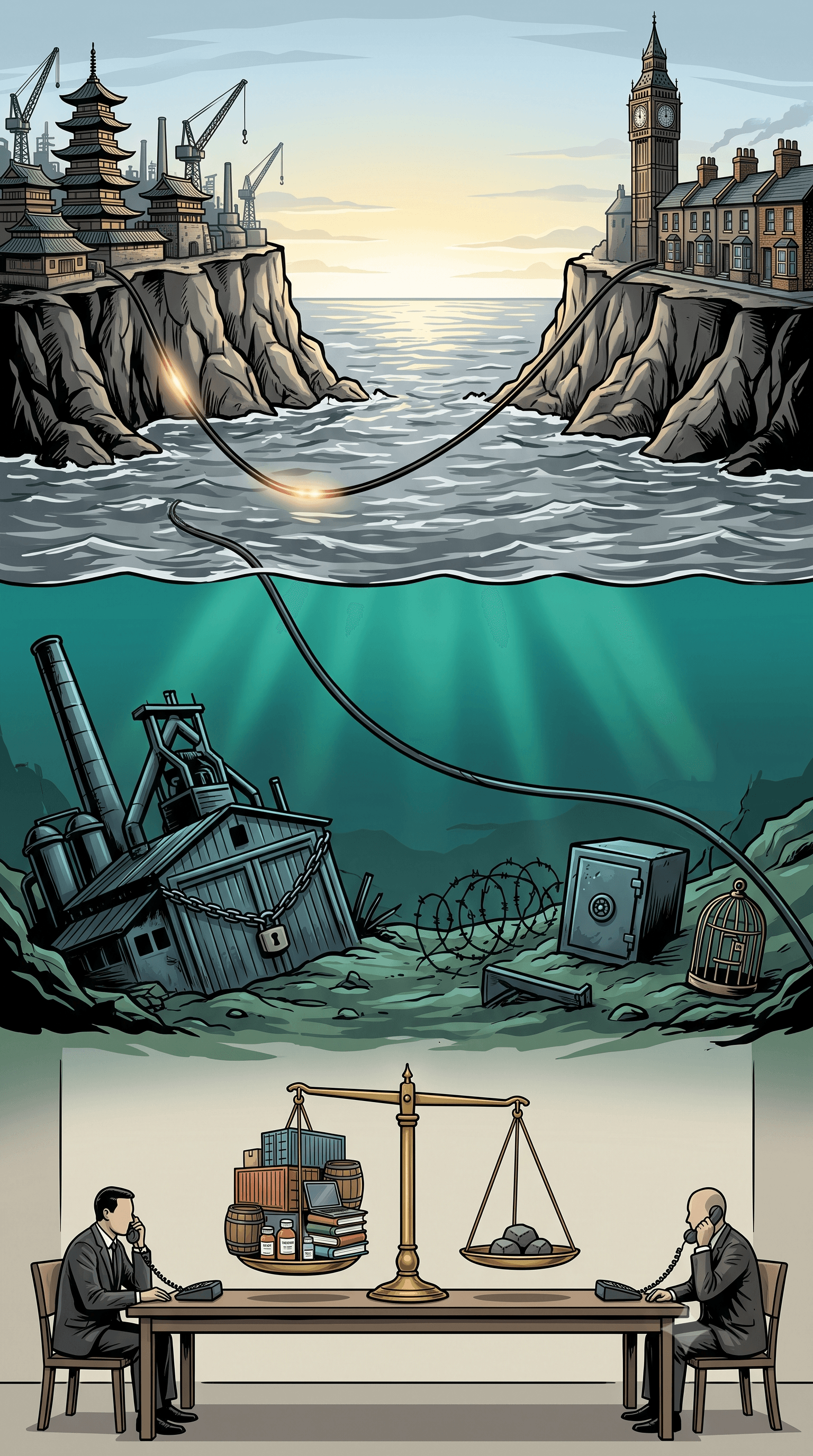
On Tuesday, September 8, 2026, Chinese President Xi Jinping and UK Prime Minister Andy Burnham held their first publicly acknowledged telephone conversation since Burnham assumed office in July. The high-level dialogue marked a significant diplomatic touchpoint in the cautiously warming relations between Beijing and London.
According to statements released by both governments, the call navigated a delicate balance between fostering economic cooperation and addressing deep-seated geopolitical frictions. While the Chinese state media emphasized a shared need to focus on mutually beneficial growth, the UK's Downing Street highlighted a frank exchange regarding human rights, domestic security, and global conflicts. Importantly, no specific new trade deals, state visits, or bilateral agreements were announced as a result of this call, which functioned primarily as a high-level introductory engagement.
The Chinese Readout: Seeking Common Ground
The official Chinese summary, broadcasted via the state news agency Xinhua and the Chinese Ministry of Foreign Affairs, presented a highly optimistic framing of the bilateral relationship. During the call, which Xinhua noted was initiated by the British leader, President Xi Jinping reportedly told Burnham that although the social systems and national realities of the two nations differ, their "common interests outweigh our differences."
Xi urged both sides to "show mutual respect and trust, rise above differences, seek common ground while accepting differences, and jointly expand the scope of mutually beneficial cooperation." According to the Chinese readout, Xi identified several key sectors ripe for collaboration, specifically naming technology, education, healthcare, and the financial sector.
Furthermore, Xi noted that as major global economies, both China and the UK support multilateralism and open trade. He suggested that the two nations should maintain an open and forward-looking outlook, enhancing their coordination through multilateral frameworks.
The British Readout: Pragmatism Meets Friction
In stark contrast to the harmonious tone of Beijing's release, the readout from 10 Downing Street painted a picture of a more complex and contentious dialogue. While acknowledging the economic imperatives of the relationship, the British statement emphasized the UK's willingness to confront Beijing on sensitive geopolitical issues.
A Downing Street spokesperson stated that Burnham and Xi discussed the "importance of pragmatic cooperation" to advance both UK and Chinese interests, particularly regarding economic growth and raising living standards for citizens in both countries. However, the spokesperson prominently noted that the Prime Minister promised to "engage frankly and constructively on issues that matter for both countries."
Crucially, the British readout explicitly listed the areas of friction that Burnham raised during the call. These included domestic security, Russia's ongoing war in Ukraine, the political situation in Hong Kong, broader human rights concerns, and specific consular cases of particular importance to the UK.
The Elephant in the Room: British Steel Nationalisation
One of the most significant moments of the call came when President Xi expressed his hope that Britain would "safeguard fully the legitimate rights and interests of Chinese investors," according to Xinhua. Political analysts and financial observers widely interpret this as a direct reference to the UK government's recent and highly controversial nationalisation of British Steel.
British Steel, the UK's sole remaining primary steelmaker, had been owned by the Chinese firm Jingye Group since 2020. Following a protracted dispute over funding a transition to electric arc furnaces and the mounting daily costs of keeping the Scunthorpe blast furnaces operational, the UK government intervened. Legislation introduced by the previous administration culminated in the formal transfer of British Steel into public ownership on July 16, 2026.
The move drew fierce criticism from Beijing. China's Ministry of Commerce stated at the time that it was "strongly dissatisfied," accusing the UK of using national security as a pretext to forcibly seize the company and undermining Chinese investor confidence. Jingye Group has since threatened legal action under international treaties to demand compensation. Xi's pointed remark during the call underscores that the British Steel dispute remains a live issue and a significant hurdle the Burnham administration will have to navigate carefully.
Background: The January Thaw and the US Factor
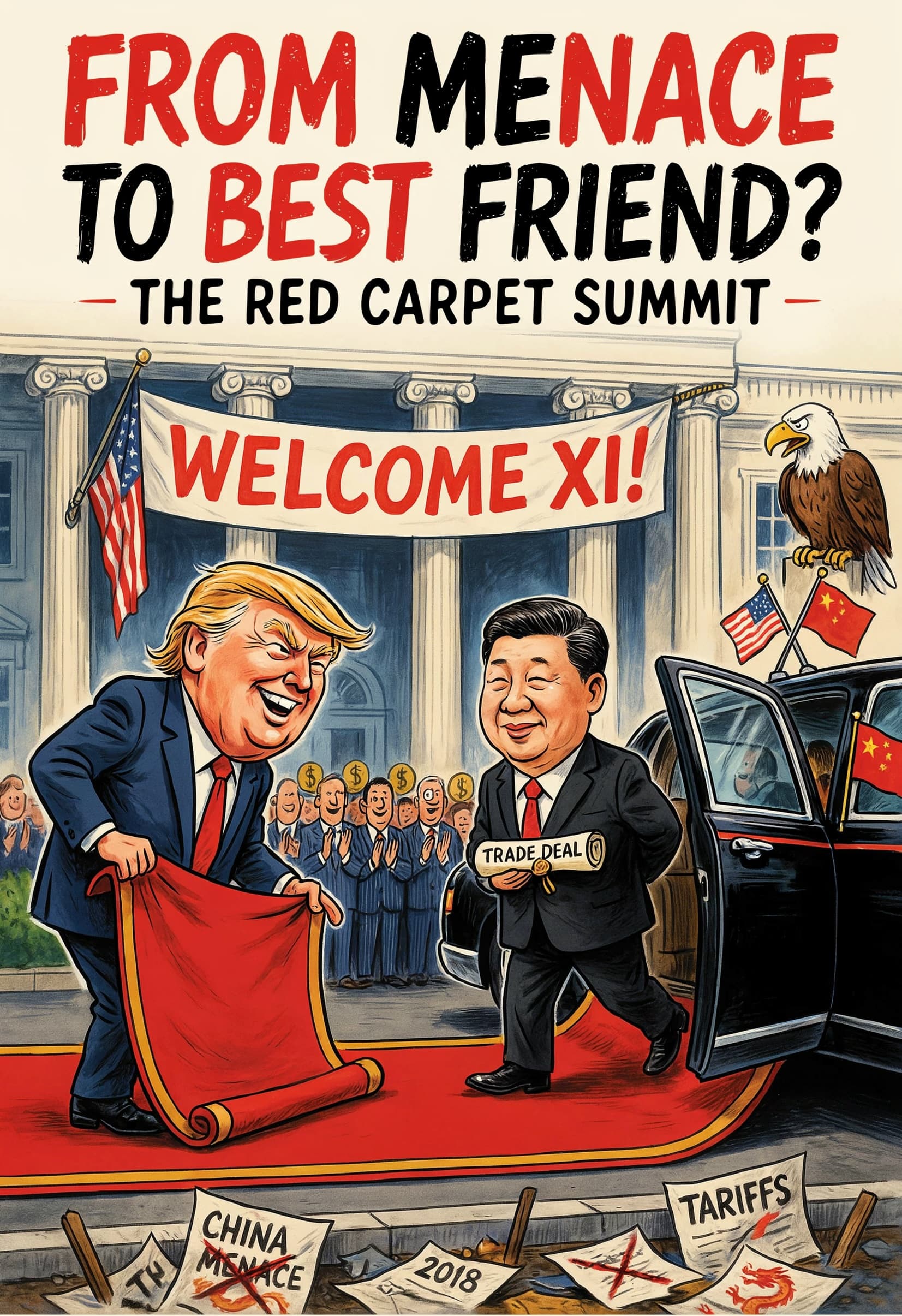
The September phone call builds upon a foundation of cautiously warming ties laid earlier in the year. In January 2026, then-Prime Minister Keir Starmer became the first British leader to visit China in eight years. That state visit produced several tangible diplomatic and economic outcomes. Most notably, Beijing agreed to grant British citizens a 30-day visa-free entry period and slashed import tariffs on Scotch whisky from 10 percent to 5 percent. The two nations also signed a dozen intergovernmental cooperation documents covering areas from agriculture to law enforcement.
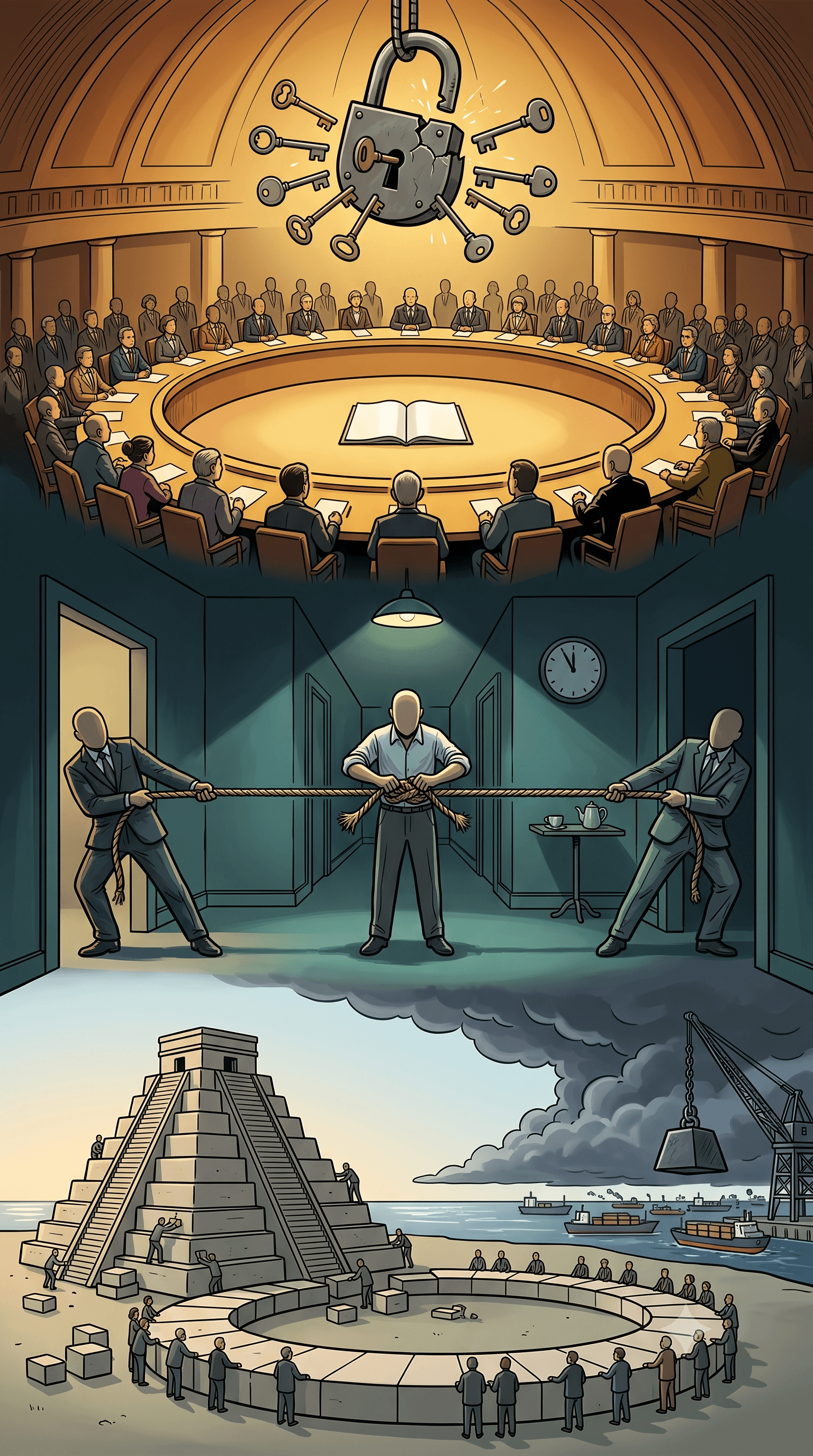
This diplomatic thaw is driven by mutual economic interests in an increasingly volatile global market. For the UK, maintaining open trade channels with the world's second-largest economy is crucial for stimulating domestic growth. For China, strengthening ties with London serves as a strategic economic counterbalance. Both nations share an acute interest in diversifying their trade relationships amid growing geoeconomic friction and protectionist trade policies emanating from the United States.
Analysis: Decoding the Diplomatic Language
For the general reader, understanding the stark divergence between the Chinese and British readouts of the exact same phone call is key to grasping modern diplomatic statecraft.
The language of "common interests" and "seeking common ground" is a staple of Chinese diplomacy. Beijing frequently uses this phrasing to encourage foreign capitals to compartmentalize political and ideological disagreements—such as those concerning human rights or territorial disputes—in favor of pragmatic, mutually beneficial economic integration.
Conversely, the British readout is carefully tailored for a domestic audience that remains highly skeptical of Beijing's global influence. Following years of strained relations—exacerbated by the removal of the Chinese tech giant Huawei from the UK's 5G network and ongoing security debates—British leaders are under immense political pressure to avoid appearing compliant. By explicitly listing topics like Ukraine, Hong Kong, and domestic security, Downing Street signals that the UK is engaging with China strictly on its own terms, attempting to balance economic pragmatism with a robust public defense of democratic values.
Outlook and Impact
As Prime Minister Andy Burnham settles into his premiership, his first call with Xi Jinping sets the stage for a relationship defined by cautious, clear-eyed engagement. The absence of any new concrete deals from this introductory conversation suggests that both sides are currently testing the waters, prioritizing diplomatic stability over sudden shifts in policy.
Moving forward, the Burnham administration will face the daunting task of untangling the legal and financial fallout of the Jingye Group dispute while simultaneously trying to capitalize on the trade avenues opened earlier this year. For global markets, the continuation of dialogue between London and Beijing offers a stabilizing signal. It indicates that despite profound ideological differences and lingering corporate grievances, pragmatic economic cooperation remains a shared, if carefully managed, priority for both nations.
Hashtags: #UKChinaRelations #AndyBurnham #XiJinping #BritishSteel #GlobalPolitics #Geoeconomics #InternationalTrade #UKPolitics #Diplomacy #ForeignAffairs #ChinaEconomy #PoliticalNews