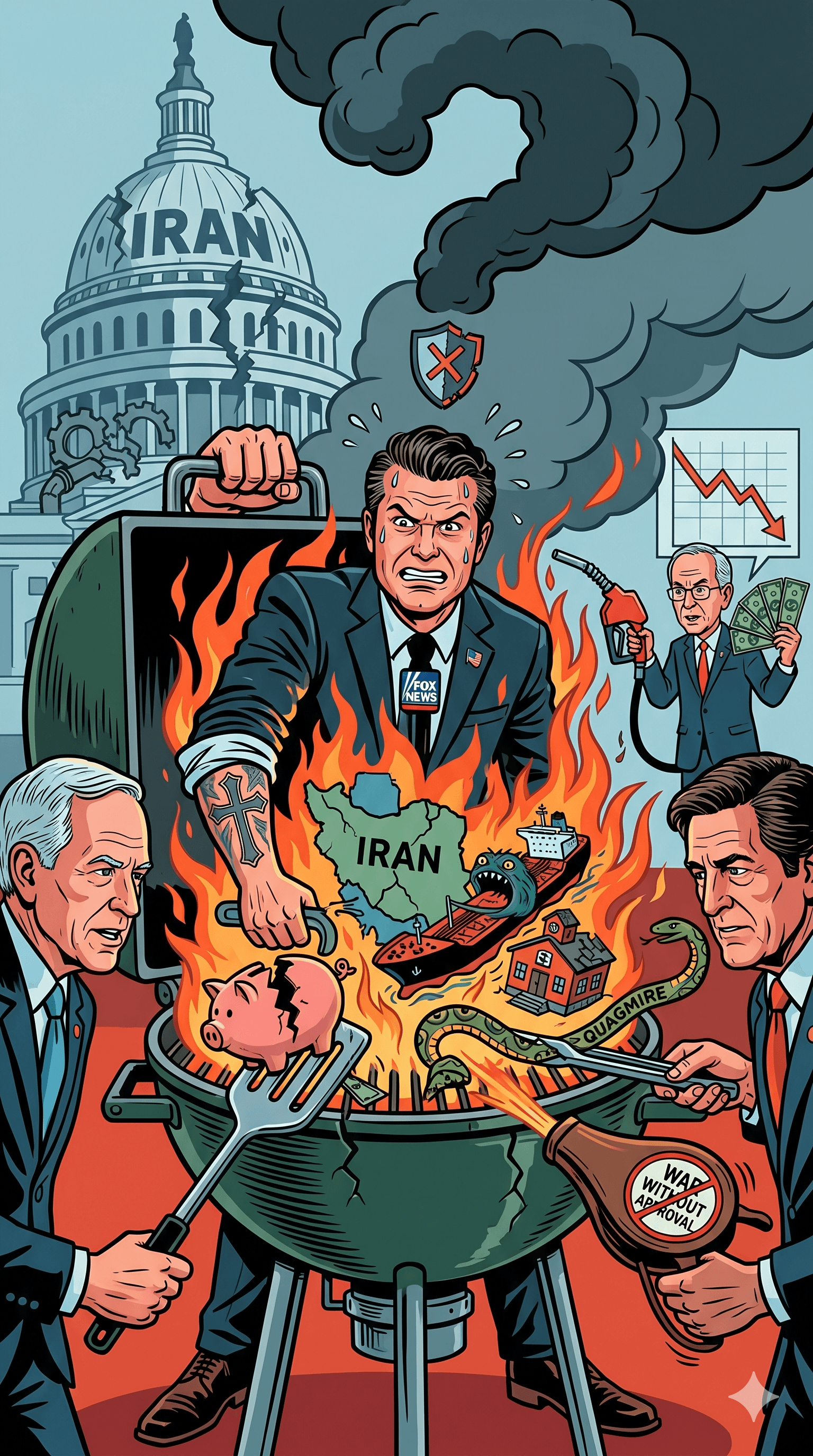
WASHINGTON — U.S. Secretary of Defense Pete Hegseth is facing a second consecutive day of intense congressional scrutiny as the Senate Armed Services Committee evaluates the Trump administration's handling of the ongoing conflict with Iran. Following a grueling, six-hour marathon hearing before the House Armed Services Committee on Wednesday, Hegseth and Chairman of the Joint Chiefs of Staff Gen. Dan Caine are defending the strategic, financial, and humanitarian costs of a war that has sharply divided lawmakers.
Initiated on February 28, 2026, the Iran war has escalated into a complex geopolitical crisis. While the administration points to the conflict as a necessary operation to neutralize imminent threats, congressional Democrats have sharply criticized the military action as an unauthorized war of choice. As lawmakers probe the Pentagon's historic $1.5 trillion defense budget proposal for 2027, the focus remains heavily fixated on the immediate ramifications of the Middle Eastern theater.
The Financial and Strategic Toll of the Iran War
The financial burden of the conflict has quickly accumulated, becoming a central point of contention on Capitol Hill. During Wednesday’s hearing, Pentagon officials confirmed that the war has already cost the United States an estimated $25 billion in just two months. According to Jules Hurst III, the Pentagon’s chief financial official, these expenditures are primarily driven by munitions consumption, operational maintenance, and the replacement of critical military equipment.
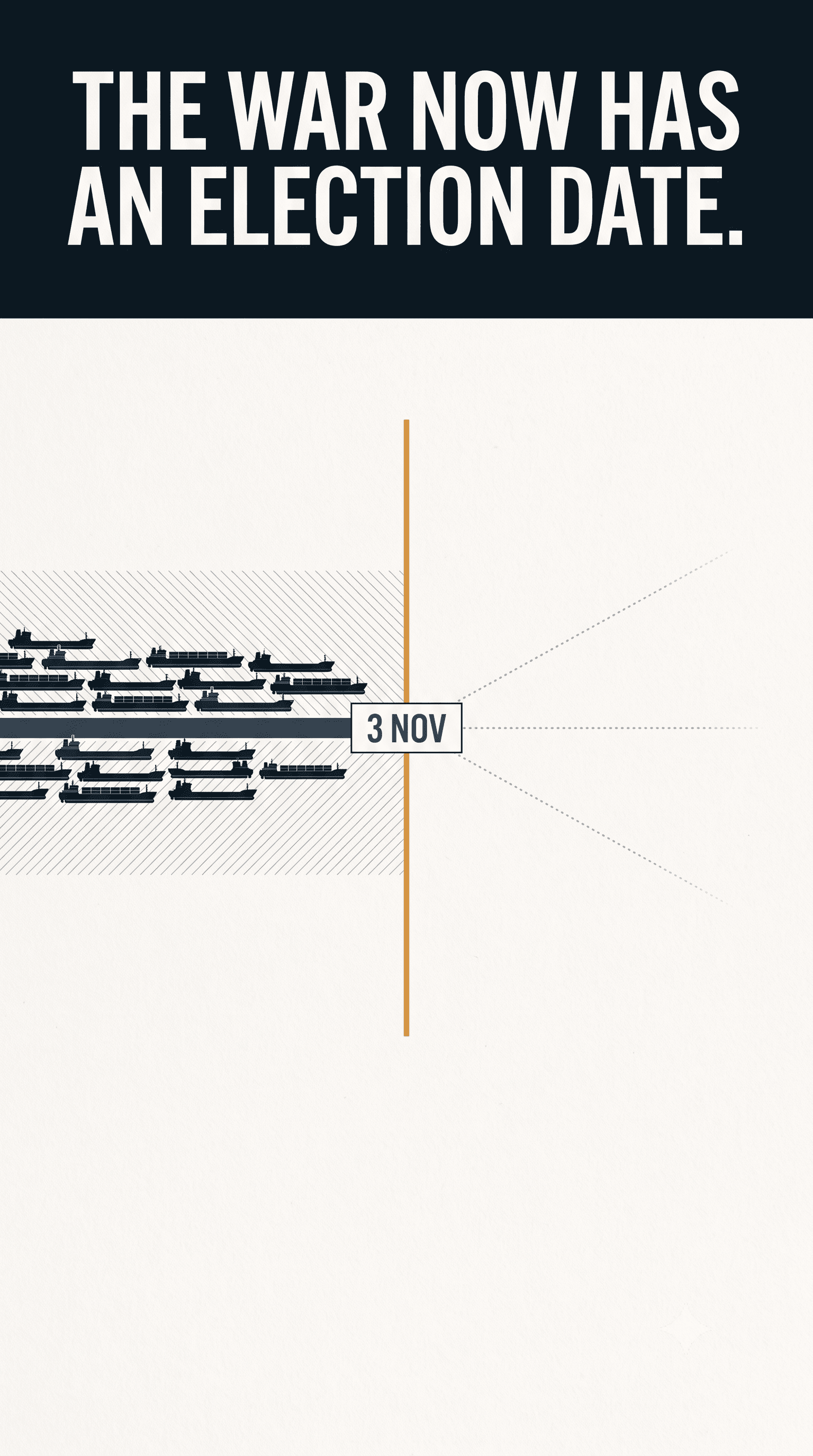
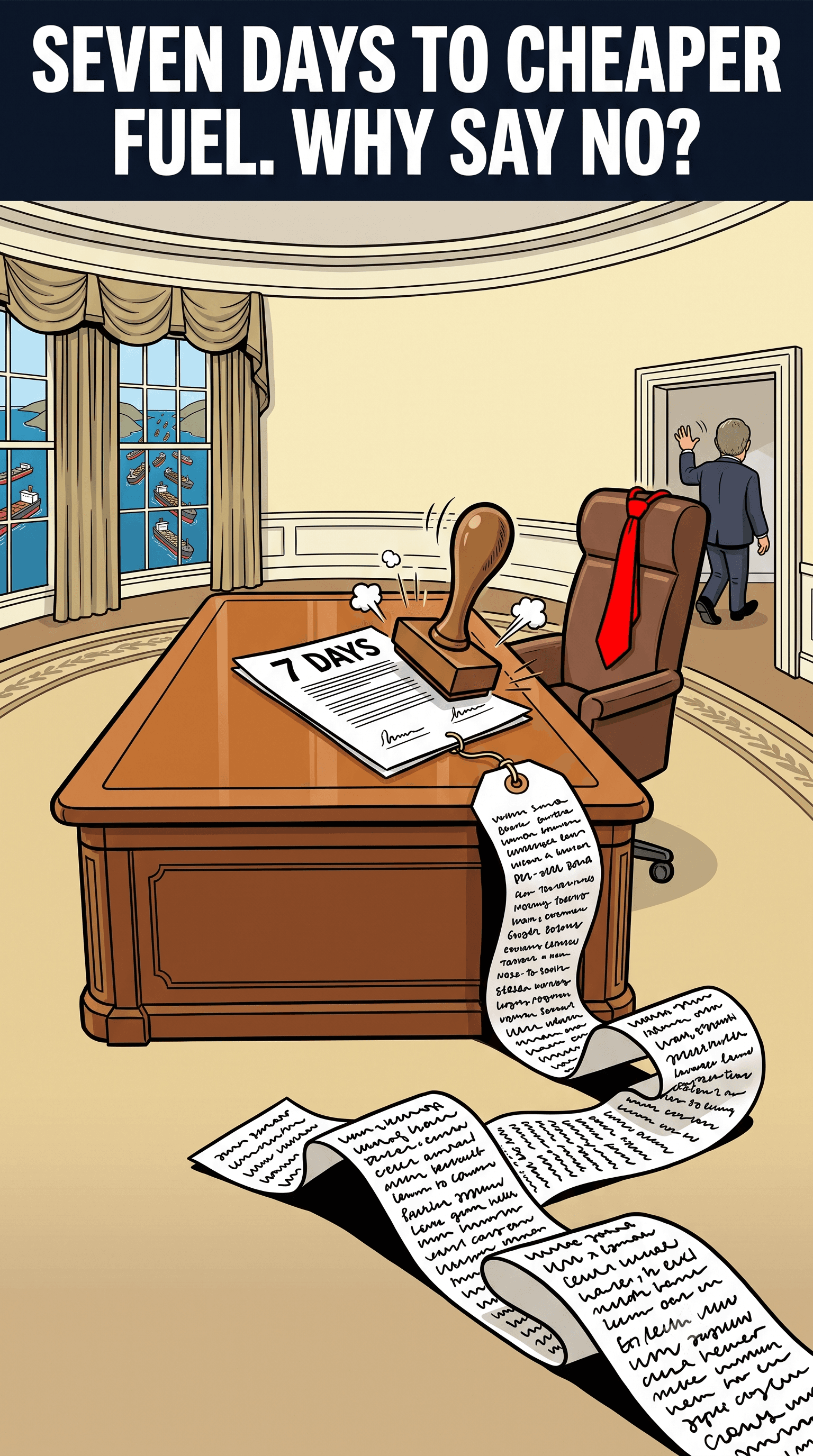
This staggering cost has been compounded by severe economic ripple effects. Iran’s blockade of the Strait of Hormuz—a crucial artery for global oil shipping—has triggered a sharp spike in global fuel prices, introducing new economic pressures on American households. In response, the U.S. military has established a strict naval blockade of Iranian shipping, deploying three aircraft carriers to the Middle East for the first time in over two decades.
Hegseth has continuously pushed back against critics of the rising costs, asserting that the administration is defending the safety of the American people. He rebuked lawmakers who questioned the operation's trajectory, stating that the "reckless, feckless and defeatist words of congressional Democrats" pose a larger adversary to the mission's success than foreign threats.
Clashes Over War Justification and Civilian Casualties
The foundational justification for the war sparked some of the most heated exchanges between Hegseth and Democratic representatives. A major focal point was the necessity of the conflict, particularly regarding Iran’s nuclear capabilities.
In a tense back-and-forth with Representative Adam Smith, the ranking Democrat on the committee, Hegseth claimed that U.S. strikes in 2025 had successfully "obliterated" Iran's nuclear facilities. Smith seized on the statement, questioning why the Trump administration launched a new war—dubbed Operation Midnight Hammer—just 60 days ago if the nuclear threat had already been neutralized. Hegseth responded that Tehran had not abandoned its nuclear ambitions and still possessed thousands of ballistic missiles, though critics argued the conflict had left the U.S. facing the same regional security dynamics as before.
Humanitarian concerns also dominated the congressional inquiry. Lawmakers demanded answers regarding a deadly U.S. strike that hit an Iranian elementary school situated adjacent to a Revolutionary Guard base. The bombing reportedly killed more than 165 people, including numerous children. Hegseth declined to provide specific details to the committee, stating only that the incident remains under active investigation.
The human cost for American forces was scrutinized as well, with representatives questioning Hegseth on the deaths of six U.S. soldiers killed by a drone strike in Kuwait. Hegseth sidestepped direct questions regarding whether the casualties were preventable, maintaining that the military has taken all proactive measures to protect its troops.
Pentagon Purges and Calls for "New Leadership"
Beyond battlefield strategy, Hegseth faced bipartisan questions regarding his internal management of the Pentagon. Since President Donald Trump returned to office, several top military commanders have been abruptly dismissed, including General Randy George, the Army’s top uniformed officer.
The ousting of highly decorated military figures during an active conflict has raised alarms in Washington. Representative Chrissy Houlahan pressed the Defense Secretary to justify the firing of General George, noting his extensive and remarkable service record. Hegseth offered little detail on the personnel changes, repeatedly insisting that the Pentagon simply required "new leadership" to cultivate a sharper "warrior culture."
Geopolitical Fallout and the NATO Dispute
The ramifications of the Iran war have extended well beyond the Middle East, straining historical alliances and reshaping global military posture. Tensions between the United States and its European allies have escalated, drawing further concern from the Senate Armed Services Committee.
President Trump recently leveled new threats against Germany, suggesting a potential reduction in the U.S. military presence across Europe. The threat stems from an ongoing diplomatic feud with German Chancellor Friedrich Merz over the handling and strategic justification of the Iran war. Hegseth and General Caine are expected to face rigorous questioning from the Senate regarding troop levels in Europe and the long-term stability of the NATO alliance in the wake of this friction.
Outlook and Impact
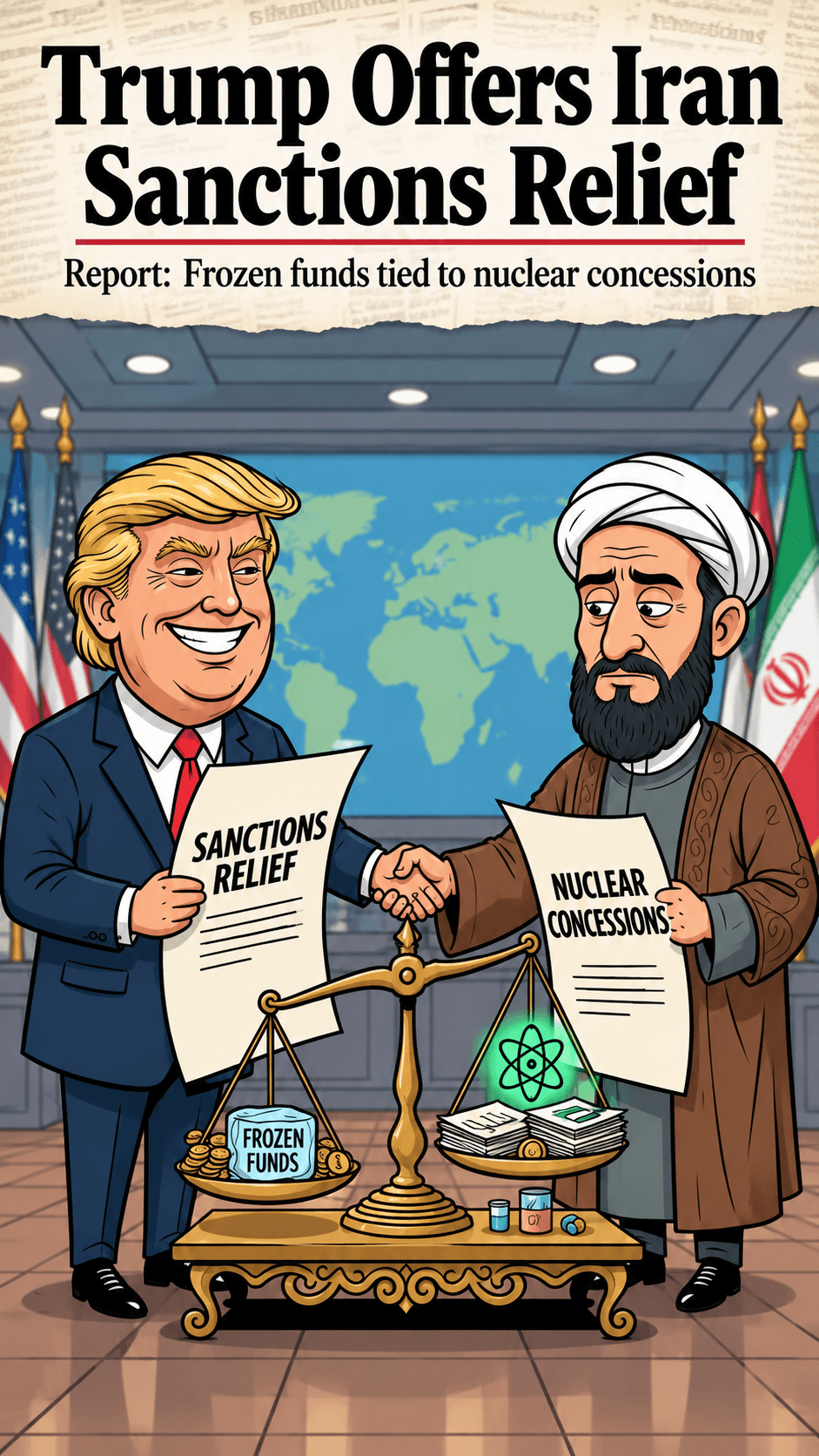
As Hegseth transitions to face the Senate, the outlook for the conflict remains highly uncertain. Although a tenuous ceasefire has momentarily paused direct kinetic strikes, the United States remains prepared to enforce its naval blockade until a comprehensive deal is reached, raising the prospect of a prolonged military and economic standoff. Congress currently remains deadlocked; despite widespread criticism regarding the lack of legislative oversight, lawmakers have repeatedly failed to pass war powers resolutions that would mandate congressional approval for the ongoing military action. Moving forward, the administration’s ability to balance skyrocketing defense budgets, international diplomatic fallout, and domestic economic pressures will define the next phase of this historic conflict.