PARIS — French counter-terrorism authorities have launched a sweeping investigation after rapid-response police units thwarted an attempted bombing outside a Bank of America building in the heart of Paris. The incident, which unfolded in the early hours of Saturday, March 28, has resulted in the detention of three suspects, including a minor, as European capitals remain on high alert amid escalating geopolitical tensions in the Middle East.
The foiled attack on the prominent U.S. financial institution underscores a growing trend of "proxy" sabotage, where state actors allegedly recruit low-level criminals through social media platforms to execute acts of terror on foreign soil.
The Midnight Interception in the 8th Arrondissement The attempted attack occurred around 3:30 a.m. local time on Saturday in the chic 8th arrondissement, a district renowned for the Champs-Élysées, luxury boutiques, and high-profile corporate offices. According to police sources, a routine patrol tasked with protecting sensitive sites spotted two individuals acting suspiciously near the Bank of America premises.
One of the suspects was seen holding a lighter, attempting to ignite a rudimentary but potentially devastating improvised explosive device (IED). French media reported that the device consisted of a five-liter container filled with an unidentified hydrocarbon liquid, coupled with an ignition system containing approximately 650 grams of explosive powder.
Officers intervened immediately, apprehending the primary suspect before the device could be detonated. The second individual, who was reportedly filming the act on a mobile phone, managed to flee the scene on foot but sparked an immediate manhunt.
The explosive device was quickly secured and transferred to the Paris police laboratory for forensic analysis. A spokesperson for Bank of America confirmed that the institution is aware of the situation and is fully cooperating with French authorities. Fortunately, the building was empty at the time, and no injuries were reported.
Social Media Recruitment and "Proxy" Terrorism The investigation, now spearheaded by France's National Anti-Terrorism Prosecutor's Office (PNAT) and the General Directorate for Internal Security (DGSI), quickly yielded further arrests. By late Saturday evening, two additional suspects were taken into police custody, bringing the total number of detainees to three. One of the newly arrested individuals is a minor.
Under French counter-terrorism laws, the suspects can be held for up to 96 hours without charge for intensive questioning.
Initial interrogations revealed a chillingly transactional motive behind the plot. The primary suspect reportedly confessed to being recruited via the messaging app Snapchat. He claimed he was offered a mere €600 (approximately $690) to place and ignite the explosive device outside the bank. He also told investigators that he had been driven to the location by another accomplice.
French Interior Minister Laurent Nunez addressed the incident during a television broadcast on BFM TV, describing the suspects as "common law" offenders rather than ideologically driven extremists. Nunez noted that this modus operandi—hiring petty criminals or disenfranchised youth as paid intermediaries to carry out attacks—has become an increasingly common tactic utilized by foreign intelligence services.
The Middle East Connection and Iranian Suspicions The thwarted attack in Paris does not exist in a vacuum. It occurred against the backdrop of a severe international crisis following the outbreak of a wider war in the Middle East in late February 2026. The conflict, which has drawn in U.S., Israeli, and Iranian forces, has created a volatile security environment across Europe.
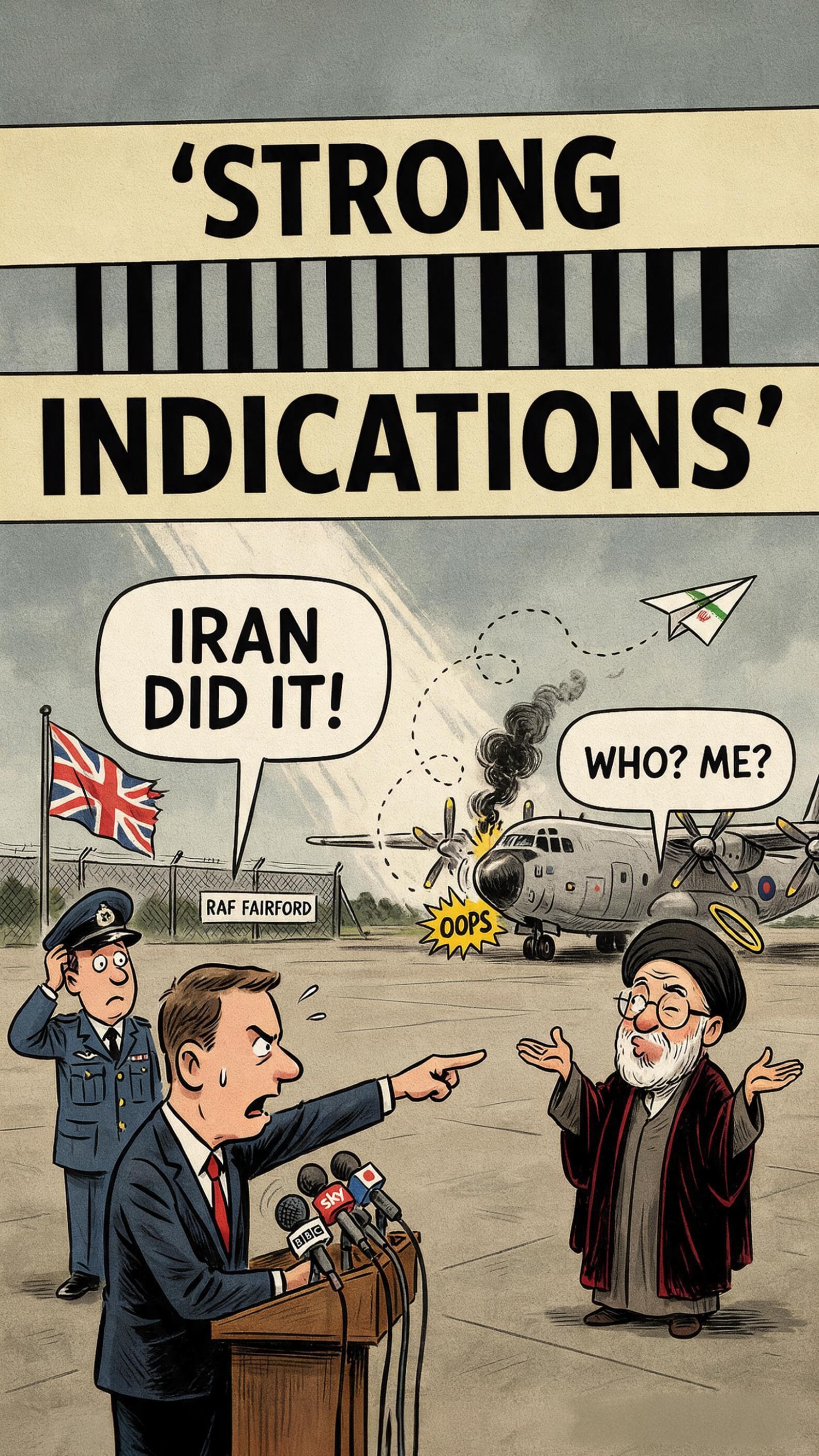
When pressed about potential state sponsors behind the Bank of America plot, Interior Minister Nunez explicitly pointed to Iran.
"In this type of conflict, you have a number of Iranian services that are likely to carry out actions such as these through proxies," Nunez stated.
While acknowledging that the investigation is still ongoing and no definitive conclusions have been reached, he emphasized that there is a "significant suspicion" of Iranian involvement. The Iranian embassy in Paris has thus far declined to comment on the allegations.
European intelligence agencies have recently noted striking similarities between the Paris incident and a string of recent sabotage attempts in the Netherlands, Belgium, Britain, and Norway. In several of these cases, rudimentary explosive or incendiary devices were used to target sites linked to U.S. or Israeli interests, with the perpetrators often turning out to be local criminals hired over encrypted messaging apps.
Heightened Security and Vigilance In the wake of the foiled plot, French authorities have significantly ramped up security protocols across the capital and the nation. Nunez commended the rapid intervention team whose vigilance prevented a potentially lethal disaster.
"Well done to the rapid response team from the Paris police authority, whose actions thwarted a violent terrorist attack in Paris last night," Nunez wrote in a statement. "Vigilance remains at a higher level than ever. I congratulate all the security and intelligence forces, who are fully mobilized under my authority in the current international context."
In addition to securing corporate and financial hubs like the Bank of America offices, the French government has increased personal protection details for prominent figures within the Iranian opposition residing in France. Security has also been fortified around Jewish places of worship, community centers, and other diplomatic sites.
The charges currently being investigated by PNAT are severe. They include attempted destruction by fire or other dangerous means in connection with a terrorist undertaking, the manufacture and transport of an explosive device, and participation in a terrorist criminal conspiracy.
Impact and Future Outlook The successful prevention of the Bank of America bombing is a testament to the effectiveness of increased patrols around sensitive urban zones. However, the use of disposable digital mercenaries introduces a complex challenge for domestic intelligence agencies. Unlike traditional terrorist cells that require extensive planning and communication networks, the "proxy" model relies on decentralized, encrypted, and highly anonymous transactions that are difficult to intercept proactively.
For international businesses operating in European capitals, the incident serves as a stark reminder of the localized risks born from global conflicts. Corporate security teams are likely to review their exterior monitoring and emergency response protocols in the coming weeks.
As the investigation continues and the suspects face further questioning, the international community will be watching closely to see if the digital trail of the €600 Snapchat bounty leads back to Tehran, potentially triggering further diplomatic fallout between Europe and Iran.