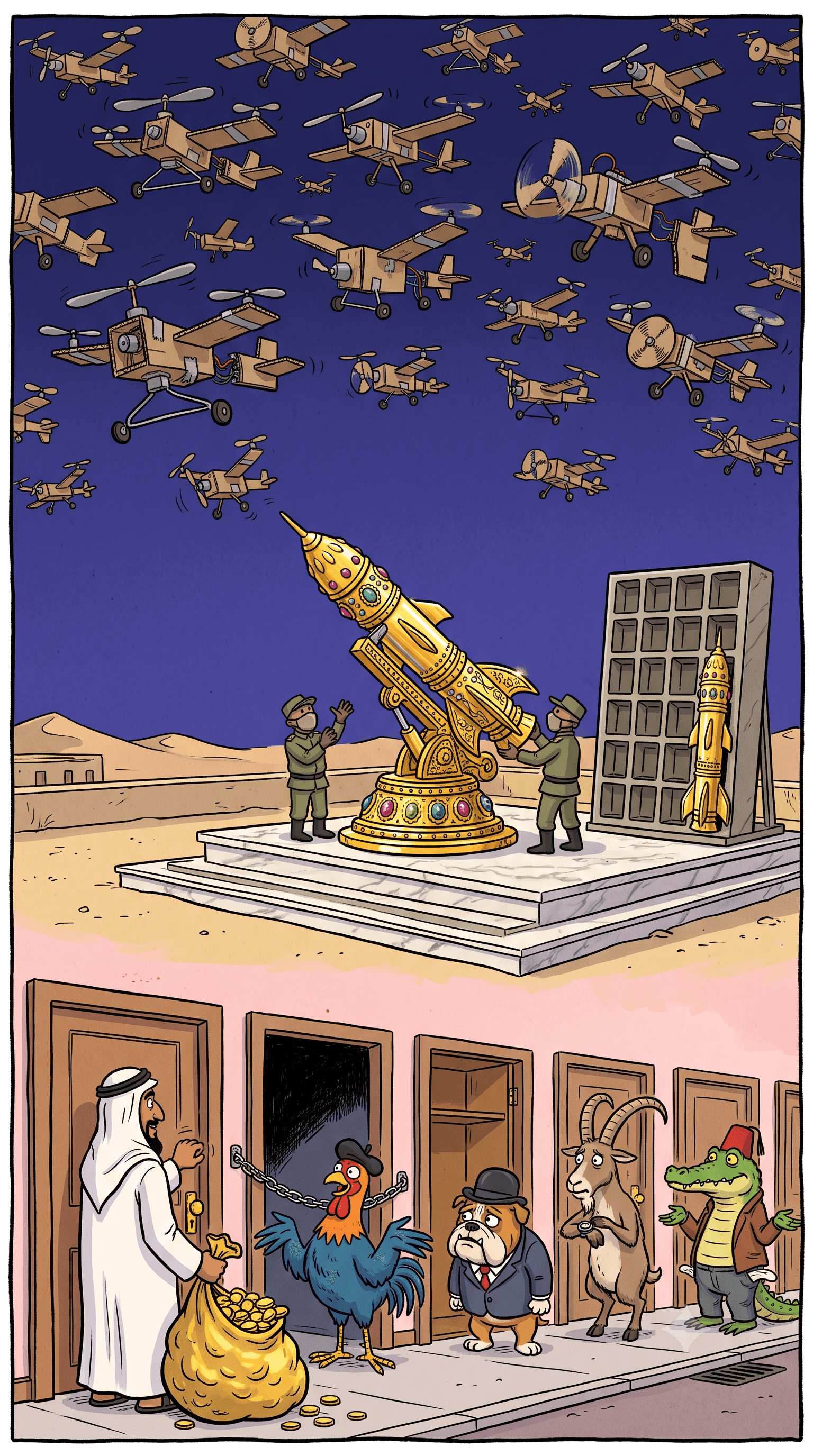
Germany is developing advanced IRIS-T SLX interceptors and leading the European Sky Shield Initiative to enhance strategic autonomy and diversify air defense capabilities.
The shifting sands of global security have prompted Germany to significantly bolster and diversify its air defense capabilities. Faced with unprecedented demand for existing systems and a renewed drive for strategic autonomy, Berlin is investing heavily in both indigenous technology and multinational initiatives to reduce its long-standing reliance on U.S.-made Patriot assets.
Germany's Push for Air Defense Autonomy
The war in Ukraine exposed critical vulnerabilities in European air defense stockpiles, particularly shortages of Patriot missile interceptors. German defense planners are championing domestic innovation and pan-European cooperation to build a robust, multi-layered air defense shield.
The IRIS-T SLX: A New European Interceptor
Diehl Defence is developing the IRIS-T SLX, a longer-range variant with a projected engagement range of up to 80 kilometers and interception altitude of up to 30 kilometers. Production is targeted to begin around 2029.
European Sky Shield Initiative
Germany leads ESSI, a multinational effort with 24 European states. The architecture combines IRIS-T for medium-range threats, Patriot for ballistic missile defense, and Israel's Arrow 3 for exo-atmospheric defense.
Outlook
Germany's investment in domestic interceptors and European defense cooperation marks a decisive step toward a more resilient, layered European air defense architecture.
Germany Fortifies Air Defense with Domestic Interceptors Amid Shifting Geopolitics
By The GeopolittoonView the cartoon

Embed this cartoon
Free to run on your site, blog or newsletter with the credit line intact. Paste this into your HTML:
Newsletter