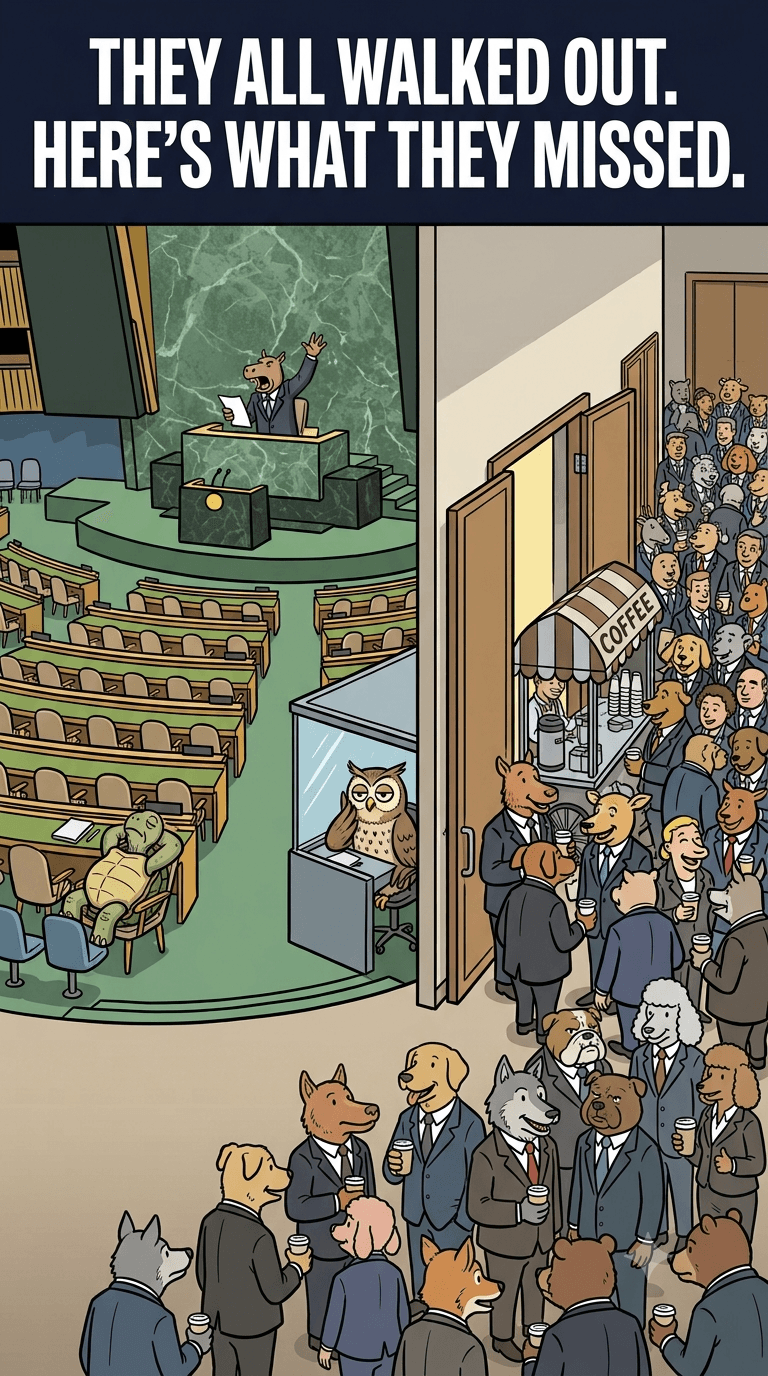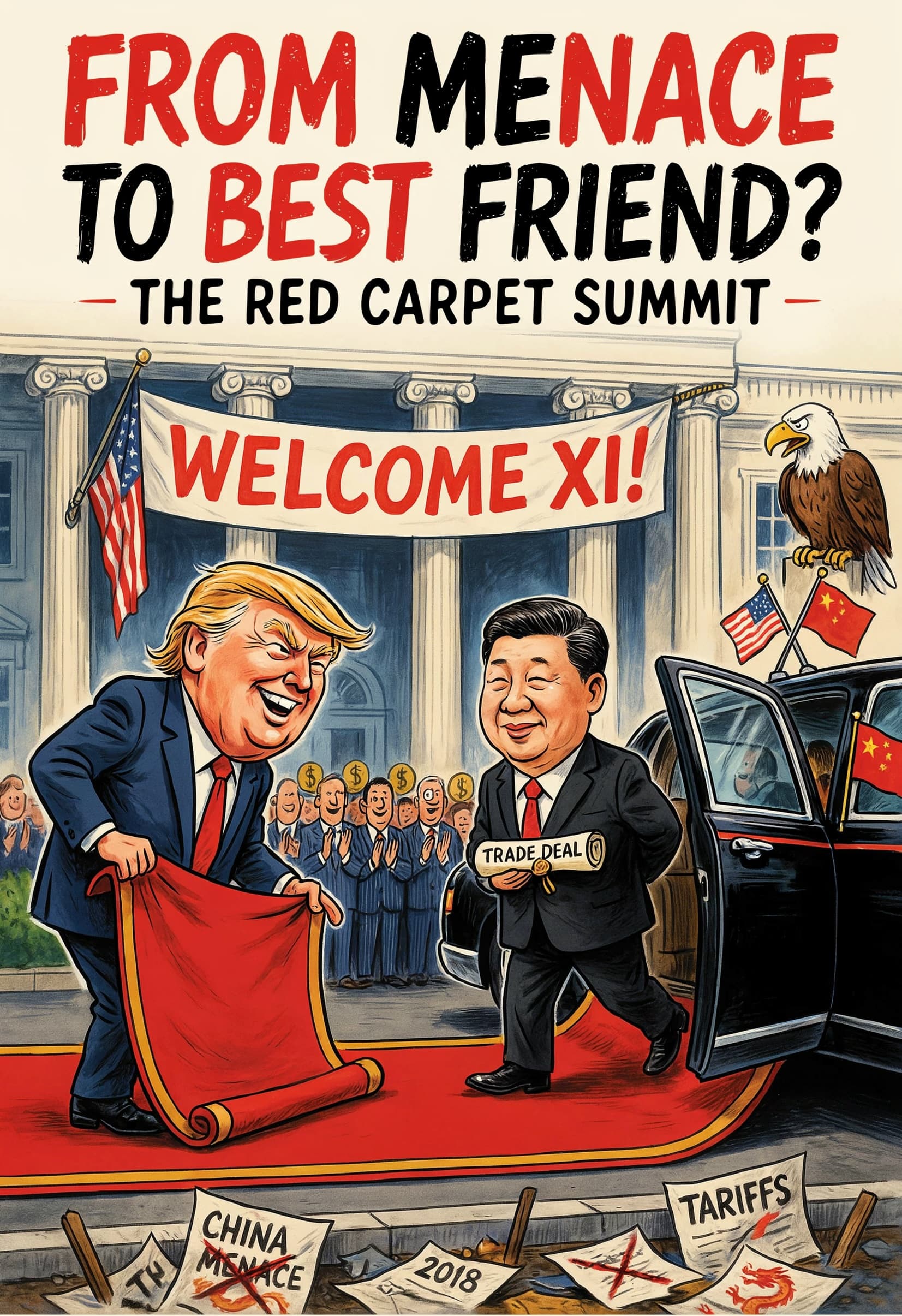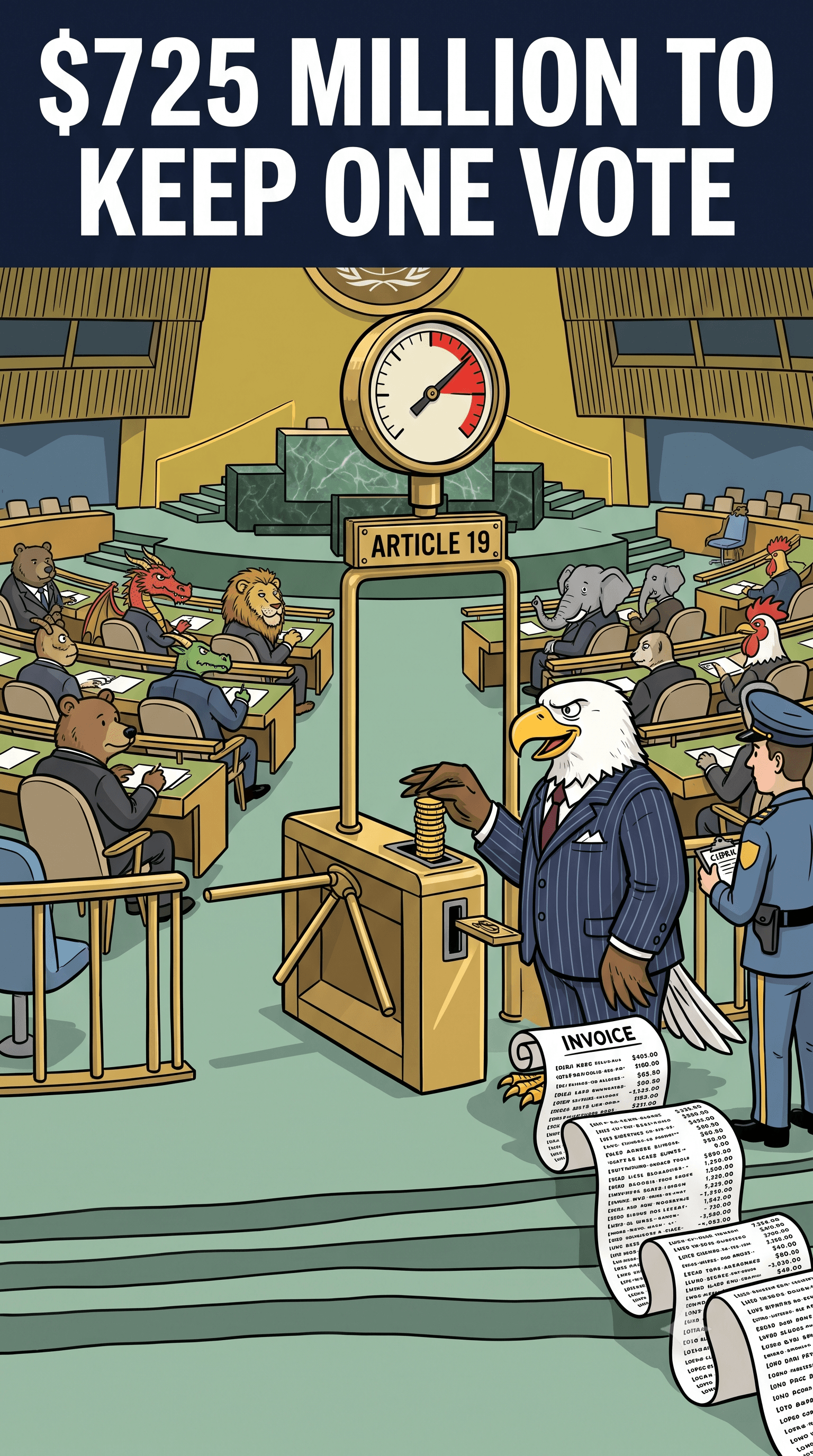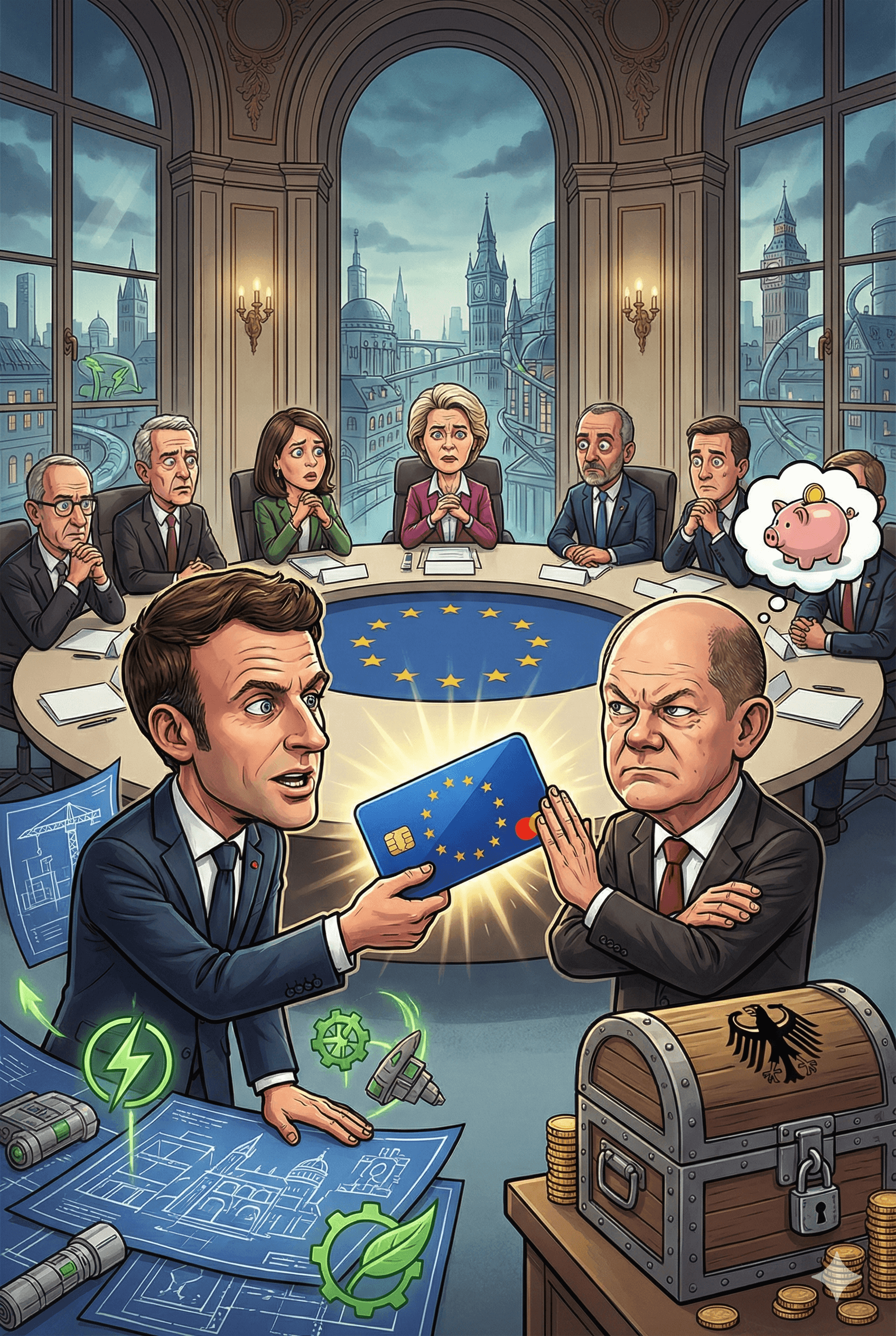
BERLIN/PARIS — A deepening rift between the European Union’s two largest economies has burst into the open just days before a high-stakes leaders’ summit, with Germany firmly rejecting French President Emmanuel Macron’s renewed call for joint EU borrowing.
Berlin officials on Tuesday dismissed the French proposal as a “distraction” from the bloc's urgent need for structural reforms, signaling a contentious start to the informal gathering scheduled for Thursday at Alden Biesen Castle in Belgium. The dispute highlights the enduring ideological divide between Paris and Berlin on how best to finance Europe’s geopolitical survival in an era of intensifying competition with the United States and China.
The ‘Greenland Moment’ and the Call for Cash
In a series of coordinated interviews with major European newspapers published Tuesday, President Macron argued that the EU faces an existential “wake-up call.” Referring to what he termed a “Greenland moment”—alluding to recent diplomatic friction involving U.S. President Donald Trump’s administration—Macron warned that Europe risks being “swept aside” unless it radically boosts investment in strategic sectors.
Macron’s solution is a new round of common borrowing, effectively “Eurobonds,” to raise the estimated €800 billion to €1.2 trillion needed annually to fund defense capabilities, the green transition, and breakthrough technologies like artificial intelligence and quantum computing.
“The EU is under-indebted compared with the United States and China,” Macron said. “In a moment of a technological investment race, failing to use this borrowing capacity is a profound mistake.”
The French President went further, suggesting that a unified European debt instrument could challenge the global dominance of the U.S. dollar. With markets increasingly wary of American fiscal volatility and attacks on the Federal Reserve, Macron argued, “Investors are looking for alternatives. Let’s offer them European debt.”
Berlin Breaks: ‘We Need Reforms, Not Debt’
Germany’s response was swift and blunt. Speaking to reporters in Berlin, a senior German diplomat rejected the push for fresh debt, arguing that the focus must remain on fiscal discipline and economic fundamentals.
“What is really needed now are deep structural reforms and, of course, the completion of the single market,” the diplomat stated, adding that discussing new borrowing schemes “distracts” from the hard work required to make European industry competitive.
Berlin’s resistance is rooted in domestic fiscal constraints and a long-standing aversion to mutualized debt. German officials point out that the EU has yet to determine how it will repay the €800 billion recovery fund launched during the COVID-19 pandemic. With Germany facing its own potential deficit proceedings in 2026 and strict constitutional debt brakes in place, there is little appetite in Berlin to underwrite more European loans.
“European debt is not free,” the German official noted, warning that interest repayments on existing joint debt are already eating into the EU budget.
The Shadow of Draghi and the Competitiveness Crisis
The timing of this clash is critical. Thursday’s summit in Belgium is explicitly focused on European competitiveness, a topic brought to the fore by former Italian Prime Minister Mario Draghi. Draghi, who will attend the summit alongside fellow former premier Enrico Letta, penned a landmark report in 2024 warning that Europe faces a slow economic “agony” without massive, coordinated investment.
While both Paris and Berlin agree on the diagnosis—that Europe is falling behind the U.S. and China—their prescriptions remain diametrically opposed.
The French Camp: Argues that public investment must lead the way to "de-risk" private capital, requiring EU-level funding power similar to the U.S. Inflation Reduction Act.
The German Camp: Insists that private capital should be unlocked by cutting red tape, completing the Capital Markets Union, and lowering energy costs, rather than through public subsidies funded by debt.
Geopolitical Stakes High
The economic debate is inextricably linked to the deteriorating geopolitical landscape. Macron’s “Greenland moment” comment refers to the volatile nature of transatlantic relations under the Trump administration, which has seen threats of tariffs and diplomatic coercion oscillate with sudden reversals.
Macron contends that this unpredictability makes “strategic autonomy” non-negotiable. He argues that relying on the U.S. security umbrella or the dollar-denominated financial system is a vulnerability Europe can no longer afford.
However, for the “frugal” northern member states—led by Germany and often supported by the Netherlands and others—financial autonomy begins with balanced books. They fear that permanent joint borrowing would turn the EU into a "transfer union," where fiscally conservative northern taxpayers permanently subsidize southern economies without gaining oversight over their spending.
Outlook for the Summit
As leaders converge on Alden Biesen Castle, the mood is expected to be tense. While no formal conclusions are drafted at informal retreats, the discussions will set the trajectory for the EU’s next strategic agenda.
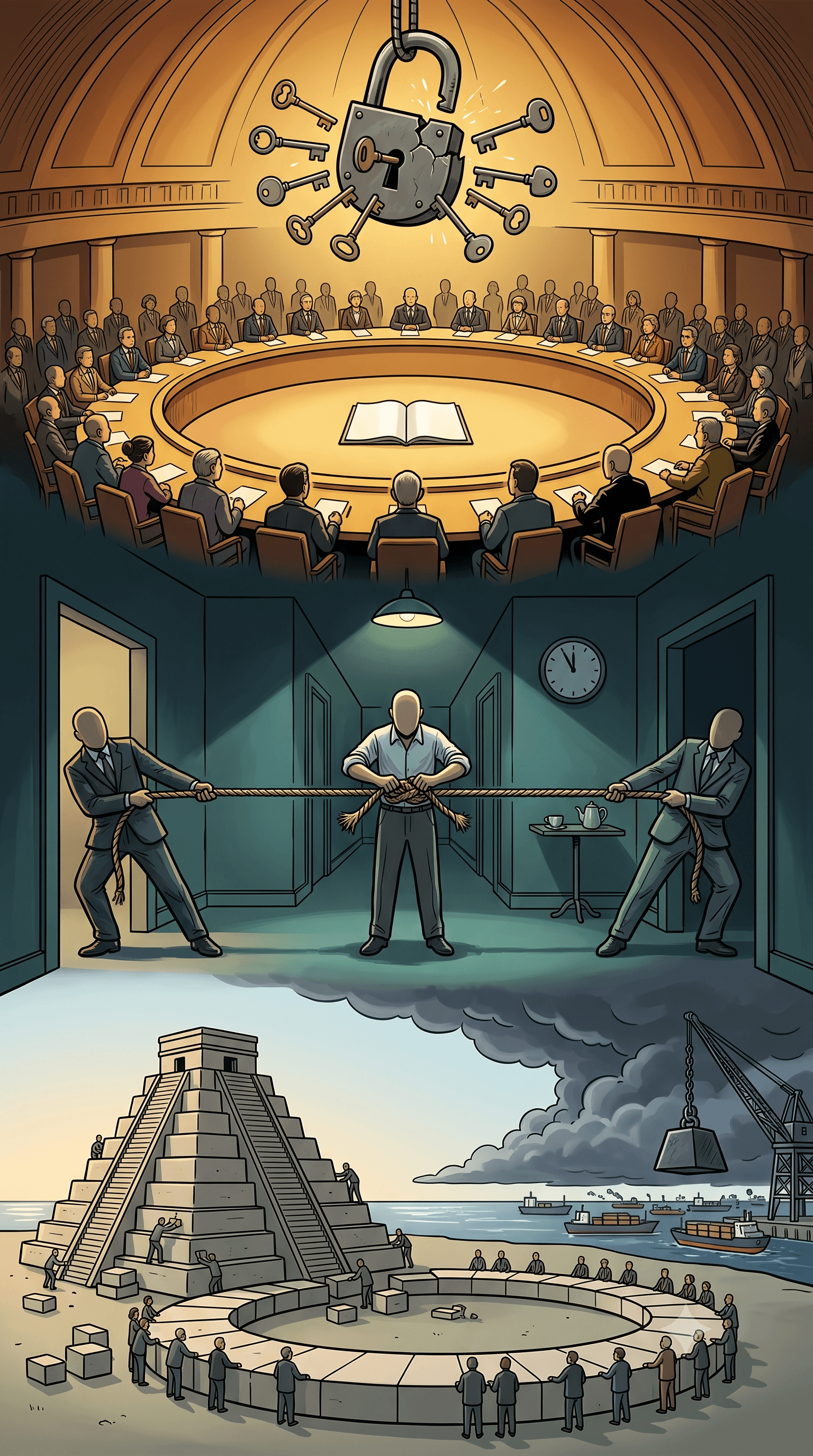
With Germany and France pulling in opposite directions, the risk is a paralysis that leaves the bloc unable to respond to the very external threats Macron is warning against. Unless a compromise emerges—perhaps focusing on limited, project-specific funding rather than broad Eurobonds—the summit may ultimately highlight Europe’s divisions rather than its unity.
Impact & Outlook The Franco-German engine, traditionally the driving force of European integration, appears to be sputtering. If a compromise isn't reached, the EU risks a fragmented response to global trade wars and security threats. Markets will be watching closely to see if the Capital Markets Union can offer a "third way" between the French demand for debt and the German demand for discipline.
#EU #Macron #Germany #Berlin #Economy #Geopolitics #Eurobonds #DraghiReport #EuropeanUnion #France #Competitiveness #Defense