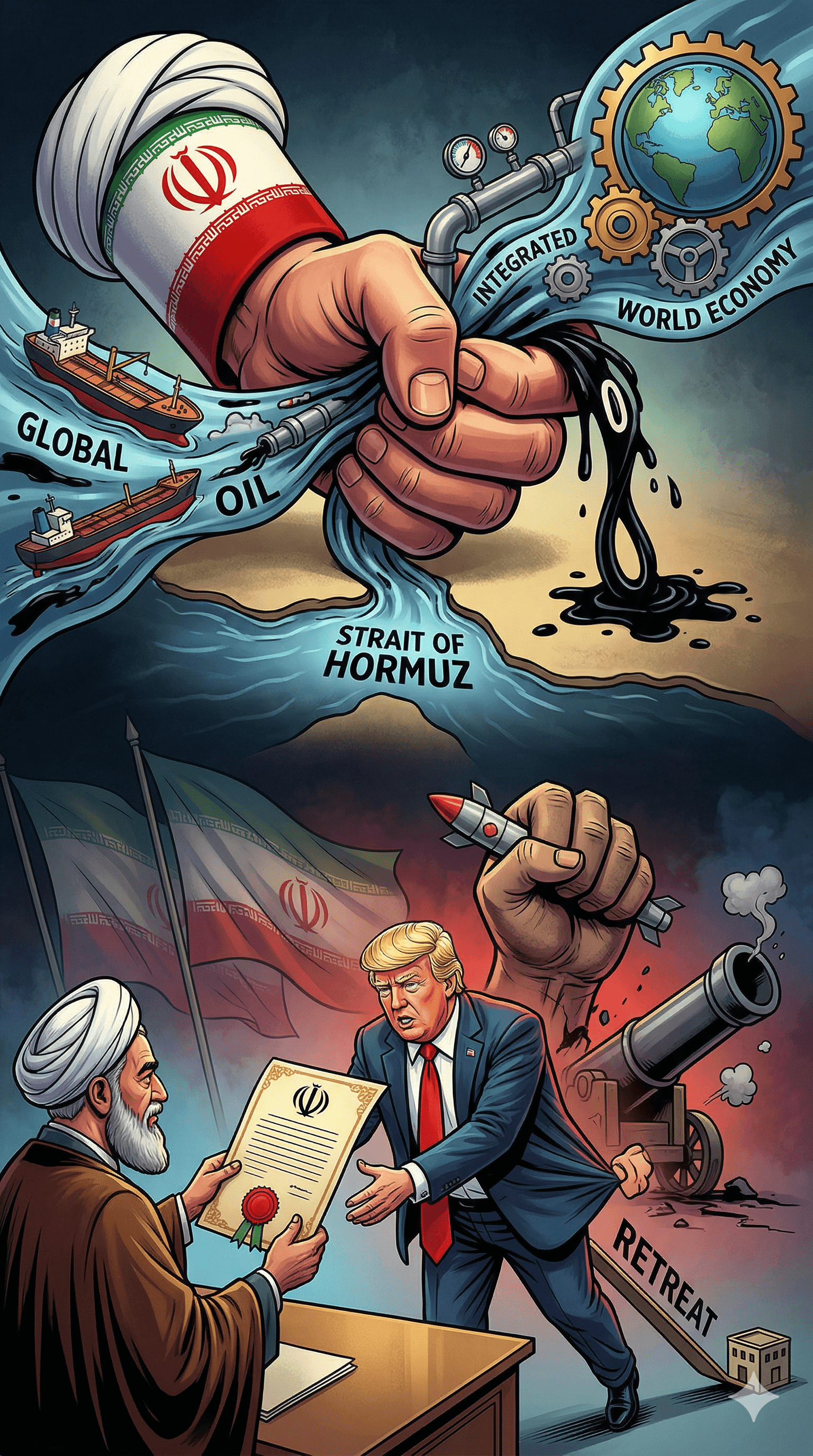
The global economy is currently facing an unprecedented chokehold as the escalating military conflict between the United States, Israel, and Iran shutters one of the world's most vital maritime trade routes. However, contrary to speculative narratives suggesting the U.S. might capitulate to avoid an economic meltdown, President Donald Trump has firmly rejected a recent ceasefire proposal from Tehran. Instead, the administration is doubling down on military ultimatums, pushing the Middle East to the brink of a wider regional war.
As the standoff reaches a critical juncture, the international community—from European political strategists to Gulf State royalty—watches nervously. Here is a detailed breakdown of the geopolitical crisis, the failed negotiations, and the severe economic implications rippling across the globe.
The Strait of Hormuz: A Global Economy in a Chokehold
The roots of the immediate crisis stem from late February 2026, following a series of aggressive U.S.-Israeli strikes that resulted in the death of Iran’s Supreme Leader, Ayatollah Ali Khamenei. In response, under the newly anointed leadership of his son, Mojtaba Khamenei, Tehran initiated a "horizontal escalation."
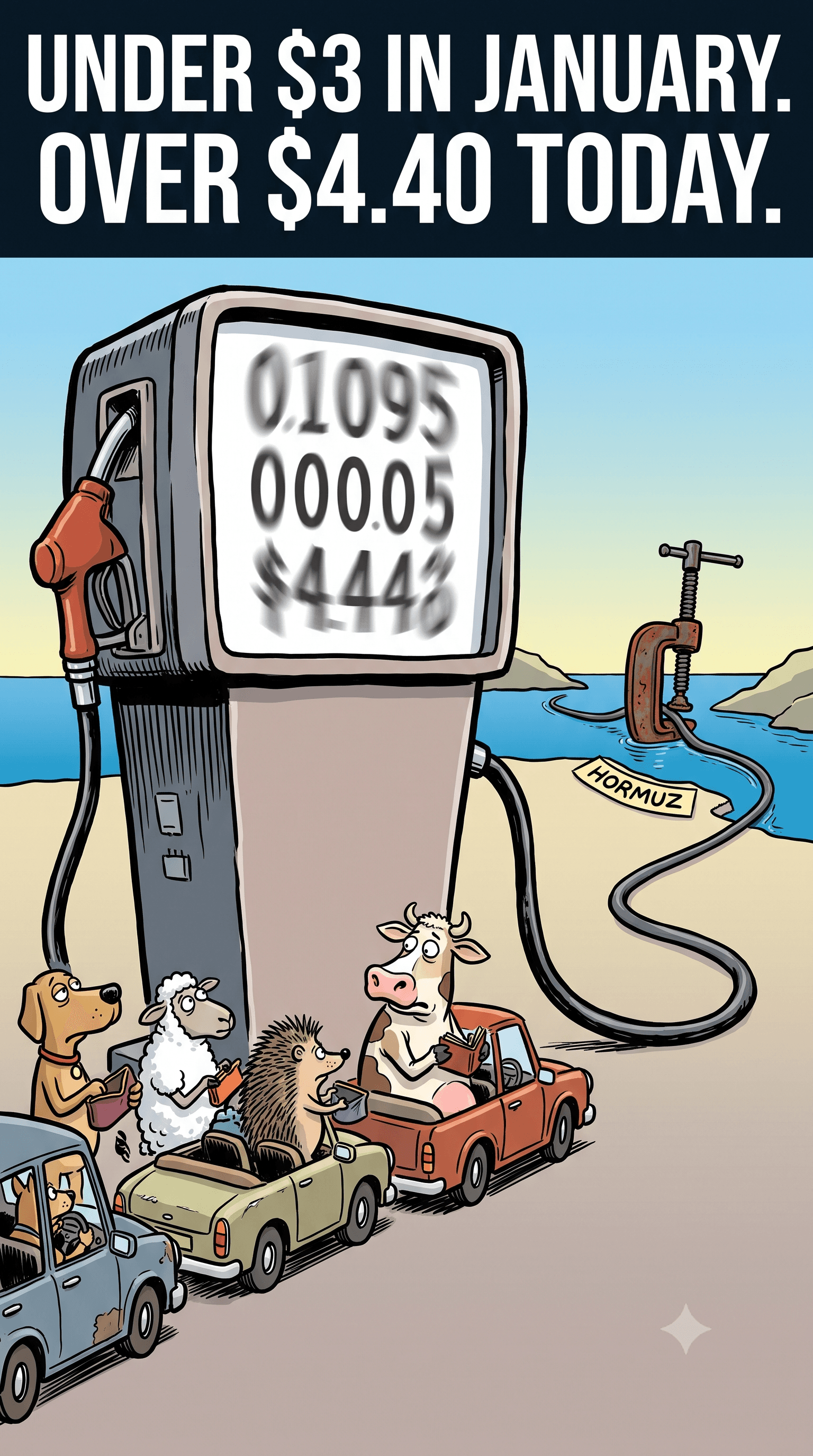
The most devastating move in this strategy was the effective closure of the Strait of Hormuz. As the only maritime passage between the Persian Gulf and the Gulf of Oman, the strait is the trade artery for roughly 20% of the world’s liquefied natural gas (LNG) and seaborne crude oil.
Currently, more than 1,000 cargo ships and oil tankers are blocked from transiting the waterway. Amid reports of Iranian mining operations and direct strikes on vessels—including an Israeli-linked ship near Kuwait and Bahrain—proposed U.S. naval escorts have struggled to materialize safely. The resulting supply chain paralysis has sent global fuel prices skyrocketing, creating a volatile economic chokehold that Tehran is using as its primary bargaining chip.
Diplomatic Deadlock: Iran’s Terms and Trump’s Rejection
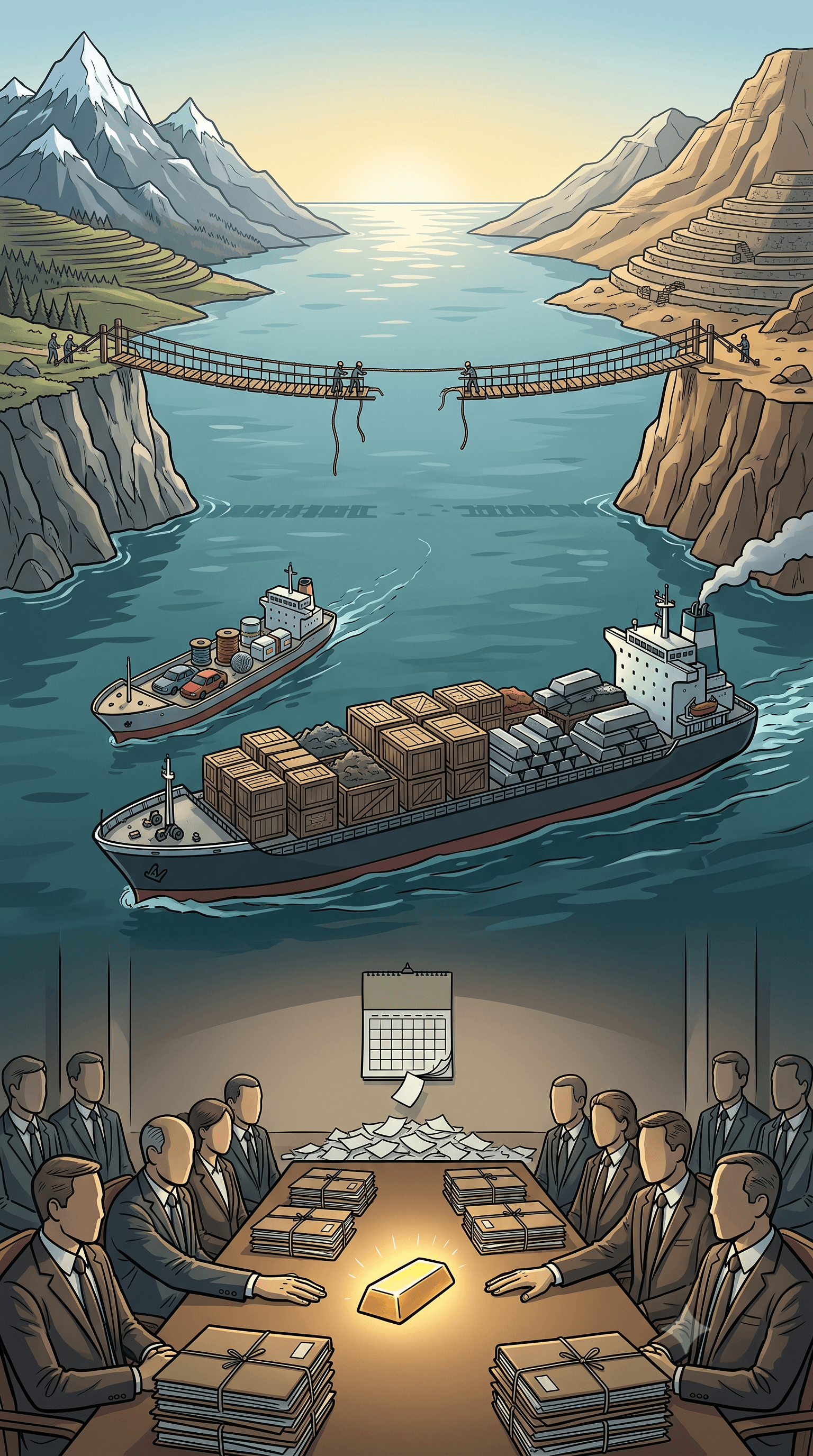
The economic stranglehold recently prompted desperate back-channel diplomacy. Acting as a mediator, Pakistan delivered a 10-point ceasefire proposal from Tehran to Washington. The Iranian terms demanded a permanent end to regional conflicts, a strict protocol for safe passage through the Strait of Hormuz, the comprehensive lifting of Western sanctions, and international funds for reconstruction.
President Trump swiftly and publicly rejected the terms. Flanked by Defense Secretary Pete Hegseth and Chairman of the Joint Chiefs of Staff Gen. Dan Caine, Trump dismissed the proposal and warned that Iran could be "taken out" if it did not meet his strict deadline to reopen the global energy route.
Iranian Foreign Ministry spokesperson Esmaeil Baghaei pushed back, stating that Tehran’s demands were not a compromise but a "reflection of its confidence," noting that Iran had already rejected an earlier 15-point U.S. plan as "excessive." In response, Trump escalated his rhetoric, threatening to decimate Iranian power plants and bridges by midnight EDT on Wednesday if the strait remains closed, explicitly brushing off concerns regarding the impact on Iran's 93 million citizens.
Military Flashpoints: The Miracle Rescue Behind Enemy Lines
The diplomatic breakdown coincides with intense, localized military flare-ups that highlight the precarious nature of the conflict. Over the weekend, the U.S. military executed what President Trump dubbed a "miracle" search-and-rescue mission deep in southern Iran.
Following the shootdown of a U.S. Air Force F-15E Strike Eagle over Kohgiluyeh and Boyer-Ahmad province, the pilot was quickly extracted, but the weapons system officer remained stranded behind enemy lines for 36 hours. Armed only with a handgun, the airman evaded capture while Tehran offered a $60,000 bounty to local nomads for his apprehension.
In a massive operation involving hundreds of special forces troops and a complex deception campaign led by CIA Director John Ratcliffe, U.S. forces successfully extracted the officer. While Trump touted the rescue as a symbol of unyielding American resolve, the fact that extraction helicopters were fired upon—with one Black Hawk forced to beat a hasty retreat into Iraq—underscores the highly active and dangerous combat environment.
Political Fallout: Anxious Allies and Shifting Agendas
The prolonged war and its economic fallout are fracturing political landscapes well beyond the Middle East.
The Gulf States: Traditional U.S. allies like Saudi Arabia and the UAE, who initially supported a hardline stance against Tehran, are now privately panicking. Their economies, deeply reliant on oil exports, are suffering immensely from the blocked strait. Furthermore, regional leaders fear that a U.S. campaign to "decimate" Iran could turn the nation into a failed state—exporting anarchy and refugees directly to their borders.
European Politics: The "Trump Factor" and the ongoing Iran War are directly impacting European domestic politics. In the UK, right-wing politicians who initially cheered the intervention are beginning to temper their support as the economic realities set in. Conversely, Labour strategists are reportedly leveraging the "war folly" to boost their prospects in the upcoming May 7th elections, criticizing the lack of a coherent exit strategy.
Outlook: The Brink of a Regional Catastrophe
As the Wednesday midnight deadline looms, the world is holding its breath. Iran’s leadership has shown no signs of capitulation, betting that the West’s reliance on the Strait of Hormuz will eventually force Washington to soften its stance. Conversely, the Trump administration has boxed itself into a corner where failing to deliver on its military threats could be perceived as a catastrophic show of weakness.