In an interconnected global economy, geography is destiny. More than 80% of international trade by volume travels by sea, but this vast maritime network relies entirely on a few narrow corridors known as chokepoints. Among them, two waterways stand out as the undisputed titans of global commerce: the Strait of Hormuz and the Strait of Malacca.
For decades, political analysts and economists have debated which of these two straits holds more leverage over the global economy. As geopolitical tensions boil over in March 2026, the vulnerability of these maritime trade routes has never been more apparent. To understand which strait truly controls the world's energy and trade, we must examine their distinct roles, the volumes they handle, and the catastrophic implications of their disruption.
The Strait of Hormuz: The Unavoidable Energy Bottleneck
Located between Iran to the north and Oman and the United Arab Emirates to the south, the Strait of Hormuz connects the Persian Gulf to the Gulf of Oman and the Arabian Sea. At its narrowest point, it is just 21 miles wide. Yet, this narrow channel is arguably the most politically sensitive body of water on Earth.
The Source of Global Oil
The Strait of Hormuz is the primary gateway for Middle Eastern energy. In early 2026, the strait handled approximately 20.9 to 21 million barrels of crude oil and condensate per day. This represents roughly 20% of global oil consumption and a quarter of all seaborne oil trade. Furthermore, it is the most critical route for liquefied natural gas (LNG), carrying massive exports from Qatar and the UAE.
Geopolitical Vulnerability
Unlike other global chokepoints, Hormuz has virtually no viable detours. While Saudi Arabia and the UAE possess some bypass pipelines, their capacity is limited. The strategic reality of Hormuz was starkly demonstrated in early March 2026 amid the escalating US-Israel-Iran conflict. Iran's threats to commercial shipping and military posturing effectively halted transit, dropping commercial traffic by nearly 95%. Hundreds of tankers were stranded, sending oil prices soaring past the psychological $100 per barrel threshold and prompting the International Energy Agency (IEA) to coordinate a historic release of 400 million barrels of oil to stabilize global markets.
The Strait of Malacca: The Busiest Trade Artery
Further east lies the Strait of Malacca, a 500-mile stretch of water separating the Malaysian Peninsula from the Indonesian island of Sumatra. It links the Indian Ocean to the South China Sea and the Pacific Ocean, serving as the primary maritime highway between the Middle East, Europe, and Asia.
The Epicenter of Global Trade
If Hormuz is the world's energy well, Malacca is its busiest logistical highway. In recent assessments, an astonishing 23.2 million barrels of oil per day passed through the Strait of Malacca, making it the highest-volume oil chokepoint globally. Furthermore, approximately 25% to 30% of all global maritime trade passes through this corridor, including manufactured goods, raw materials, and critical technology components.
The "Malacca Dilemma"
The strait is the lifeblood of East Asia's economic powerhouses. China, Japan, and South Korea rely on Malacca for roughly 80% of their energy imports. China alone receives nearly half of the oil transiting the strait. This immense dependency has birthed the "Malacca Dilemma" in geopolitical circles—a recognition that whoever controls the Strait of Malacca can effectively strangle East Asian economies. While alternative routes like the Sunda or Lombok Straits exist, diverting traffic through them adds significant time and exorbitant costs to global supply chains.
Hormuz vs Malacca: A Strategic Comparison
Determining which strait controls the world depends on how one defines control.
1. The Energy Source vs. The Delivery Route: The Strait of Hormuz commands the source of the world's energy. If Hormuz closes, the energy is physically trapped in the Persian Gulf. The Strait of Malacca commands the delivery. If Malacca is blocked, the oil can theoretically take a longer route, but the sheer volume of delayed cargo would paralyze Asian manufacturing—including the production of critical semiconductors in Taiwan and South Korea, which power the global tech industry.
2. Economic Impact Profiles: A disruption in the Strait of Hormuz acts as an immediate inflationary shock. As seen in the March 2026 crisis, war risk insurance premiums for tankers multiplied fifteen-fold within 48 hours, and crude prices spiked instantly. A disruption in the Strait of Malacca would be a systemic supply chain shock. It would not only spike energy prices in Asia but also halt the export of electronics, textiles, and machinery to Western markets, crippling the global retail and manufacturing sectors.
3. Substitutability: Hormuz is fundamentally harder to bypass. A blockade there means the world simply loses 21 million barrels of oil per day. A blockade in Malacca causes immense congestion and financial loss, but ships can technically reroute around the Indonesian archipelago, albeit with severe economic friction.
Outlook and Global Impact
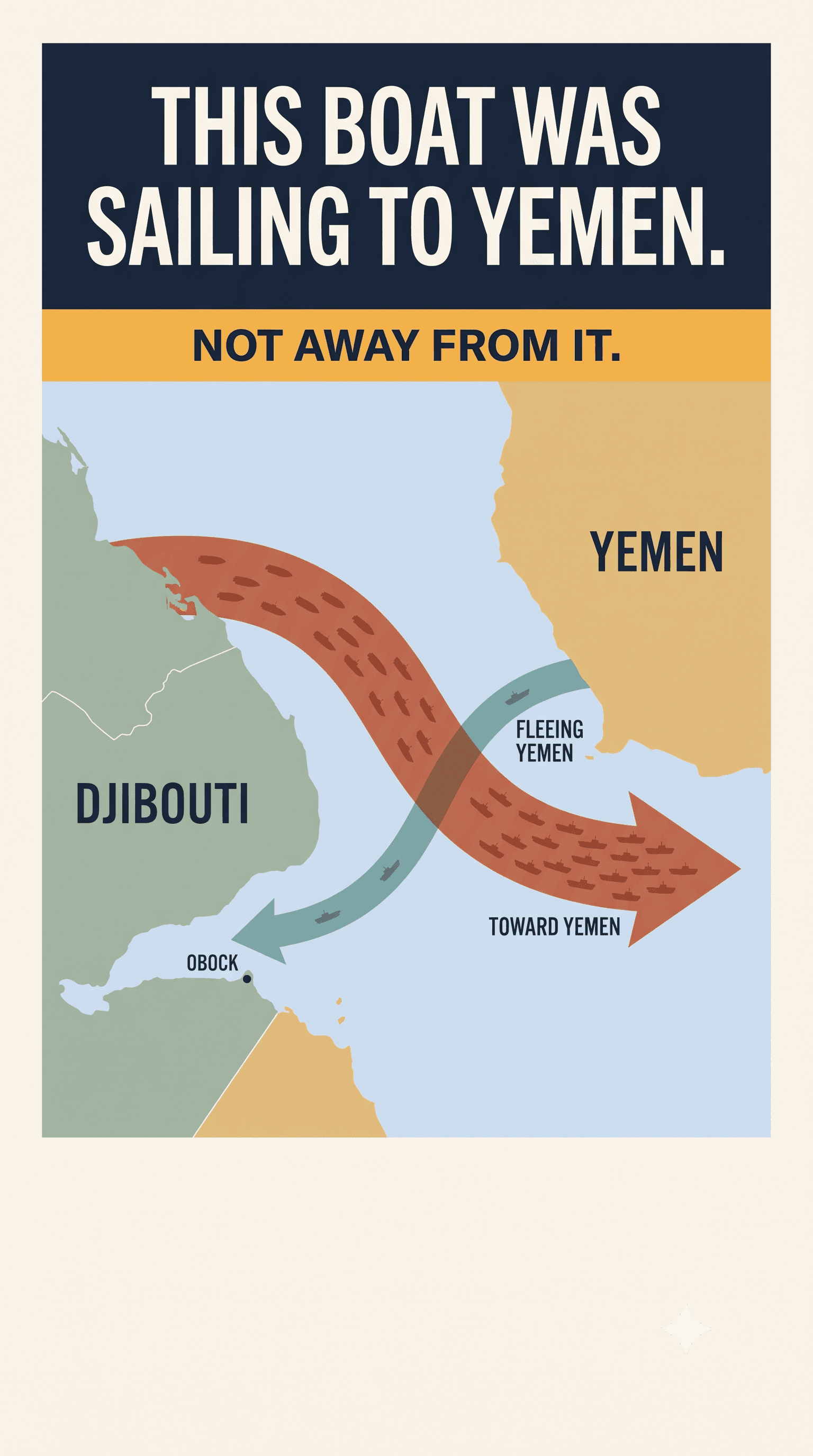
The compounding crises of the 2020s have exposed the extreme fragility of global trade networks. With the Strait of Hormuz severely disrupted by conflict in March 2026, and the Red Sea's Bab el-Mandeb continuously threatened by regional instability, the global economy is operating on a razor's edge.
Governments and multinational corporations are accelerating efforts to mitigate these risks. Nations are expanding their strategic petroleum reserves, while superpowers are investing heavily in alternative trade infrastructure, such as the Northern Sea Route through the Arctic or the Chennai-Vladivostok corridor.
Ultimately, neither strait can be ignored. The Strait of Hormuz holds the global economy hostage to energy prices, while the Strait of Malacca serves as the beating heart of international logistics. In an era of great power competition and regional conflicts, the security of these maritime chokepoints is no longer just a matter of shipping efficiency—it is the foundation of global macroeconomic survival.
#geopolitics #StraitOfHormuz #StraitOfMalacca #globaltrade #energycrisis #oilmarket #supplychain #MiddleEast #maritimesecurity #worldeconomy #shippingindustry