Iran launches missile and drone attacks on Bahrain and Kuwait following U.S. strikes, jeopardizing fragile peace talks and escalating tensions in the critical Strait of Hormuz.
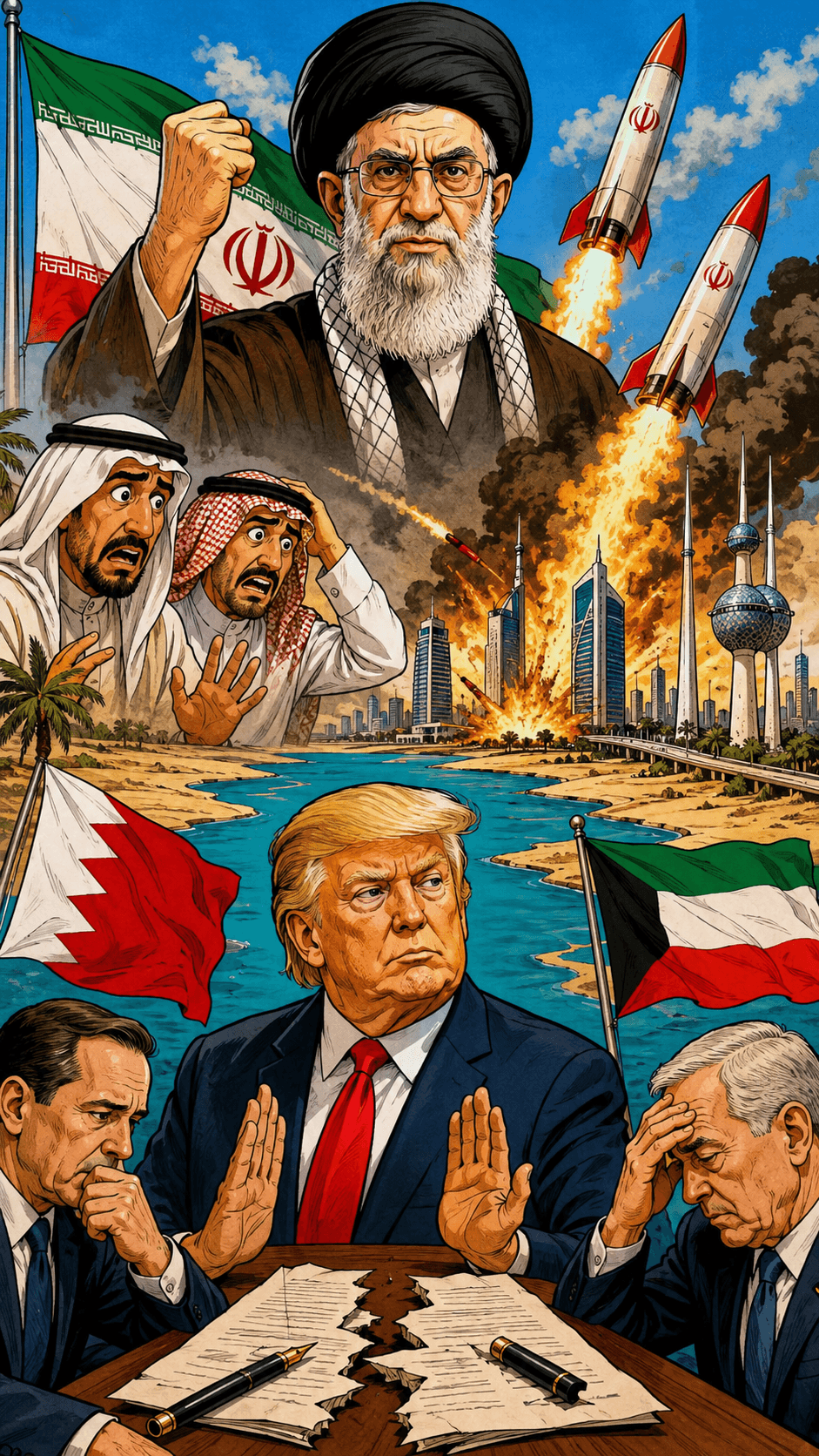
DUBAI, United Arab Emirates â A dangerous new chapter in Middle East hostilities unfolded this Sunday as Iran launched drone and missile attacks targeting Bahrain and Kuwait, directly retaliating against recent U.S. airstrikes on its territory. The dramatic escalation immediately jeopardized ongoing, fragile peace negotiations between Washington and Tehran, with Iran threatening a "complete halt" to talks if American military actions persist. This latest flare-up highlights the precarious security situation in the Persian Gulf, particularly concerning the vital Strait of Hormuz, a flashpoint for international trade and regional power struggles.
Escalation in the Gulf: Iran Strikes Bahrain and Kuwait
On Sunday, June 28, 2026, Iran's paramilitary Revolutionary Guard claimed responsibility for the audacious drone and missile assaults on its Gulf neighbors. The strikes targeted facilities in both Bahrain and Kuwait, nations that host significant U.S. military presence. In Kuwait, which houses a major U.S. Army base, air defense systems successfully intercepted incoming Iranian drones and two missiles, preventing any reported injuries or substantial damage.
Bahrain, home to the U.S. Navy's 5th Fleet, also came under attack. While no fatalities were reported, Iranian strikes damaged a residential building near Bahrain International Airport. Authorities in Bahrain quickly condemned the aggression, describing it as "a dangerous escalation that reveals that what Tehran is doing is not a passing act... but rather a deliberate approach and a systematic pattern of repeated aggression." This incident underscores the direct threat posed to U.S. allies and assets in the region amidst the heightened Iran-US tensions. Adding to the regional toll, Qatarâs Interior Ministry reported one Qatari national killed and another injured by shrapnel from "military operations in the area" after their vessel went missing on Saturday.
The Spark: Retaliatory Strikes and the Strait of Hormuz Dispute
Iran's Sunday offensive was a direct response to a series of U.S. airstrikes carried out against the Islamic Republic over the preceding days. The U.S. military's Central Command (CENTCOM) confirmed it targeted Iranian military "surveillance infrastructure, communication systems, air defense sites, drone storage facilities and minelayer capabilities." These American actions were themselves a retaliation for recent Iranian attacks on commercial vessels navigating the Strait of Hormuz.
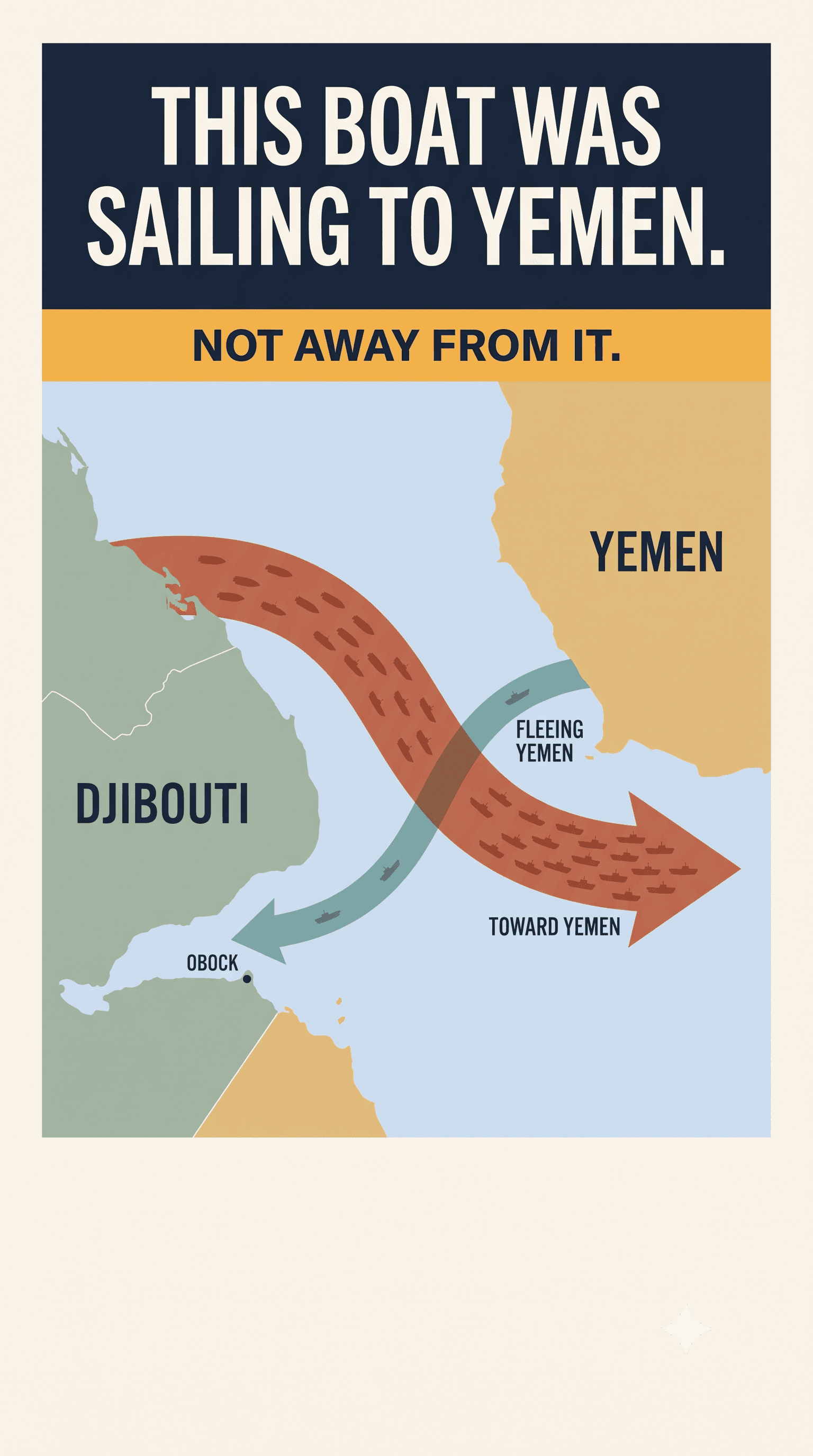
The Strait of Hormuz remains at the heart of the escalating conflict. This narrow waterway, a critical chokepoint at the mouth of the Persian Gulf, historically carries a significant portion of the world's oil and natural gas supplies. Recent efforts by a multinational maritime body, overseen by the U.S. Navy, to expand a shipping route near Oman aimed to facilitate international traffic without direct Iranian oversight. This move was explicitly designed to bypass Iran's long-standing claims to sole governance of the strait, creating a new flashpoint with Tehran.
Iranian Foreign Minister Abbas Araghchi has repeatedly asserted Tehran's right to govern the strait, warning that "any attempt to establish new or separate arrangements from those currently being carried out by the Islamic Republic of Iran will only lead to further complications, delay the reopening of the Strait of Hormuz and increase the level of tension". Iran has already attacked vessels attempting to use routes not approved by Tehran, signaling its determination to enforce its control.
Fragile Diplomacy Under Threat
The latest exchange of blows threatens to unravel an interim peace deal, or "memorandum of understanding" (MOU), signed between the U.S. and Iran earlier this month. This agreement was intended to establish a ceasefire and provide a 60-day window for technical talks aimed at resolving core issues, including shipping arrangements in the Strait, the removal of U.S. sanctions, and the future of Iran's enriched uranium stockpile.
Following the recent attacks, Iran explicitly threatened a "complete halt" to these negotiations if the U.S. continued its military actions. While some reports indicated that technical talks were still scheduled for Tuesday in Qatar, there were conflicting signals regarding Iran's commitment and the exact agenda.
U.S. President Donald Trump issued stark warnings, stating via social media that if the U.S. were "forced to militarily complete the job," the "Islamic Republic of Iran will no longer exist!" Such rhetoric from both sides underscores the high stakes and the potential for a wider regional conflagration if diplomatic efforts fail. The existing interim deal, hastily put together and criticized for its vague wording, has been under immense strain since its inception, with both sides accusing each other of violations.
Regional Implications and Geopolitical Stakes
The escalating conflict extends beyond direct U.S.-Iran confrontation. The broader Middle East remains a tinderbox, with various proxy conflicts and long-standing rivalries influencing the current crisis. Continued fighting in Lebanon, where an Israeli soldier was killed by Hezbollah fire on Sunday, further complicates regional stability and threatens aspects of the U.S.-Iran interim agreement that called for an end to fighting on all fronts.
Economically, the increased Middle East conflict and threats to the Strait of Hormuz carry significant global implications. Any disruption to shipping in the Strait could send oil and gas prices soaring, impacting international markets and potentially hindering global economic recovery. Iran's foreign minister has also proposed a regional security framework that excludes external powers, signaling a desire to assert greater regional control, a move likely to be met with skepticism by Gulf nations wary of Tehran's ambitions.
The current volatile environment places significant pressure on international mediators and regional players like Pakistan and Qatar, who have been working to de-escalate tensions and keep communication channels open between Washington and Tehran.
Outlook
The recent attacks by Iran on Bahrain and Kuwait, coupled with its explicit threat to peace talks, represent a critical juncture in the ongoing U.S.-Iran standoff. While both sides have engaged in retaliatory strikes, and the diplomatic path remains fraught with challenges, a complete breakdown of negotiations would usher in an even more unpredictable and dangerous period for the Gulf region and global stability. The coming days will be crucial in determining whether diplomacy can regain footing or if the region is poised for further military confrontation over key strategic interests, particularly control of the Strait of Hormuz.