The Middle East has plunged into an unprecedented regional conflict following a massive, coordinated military campaign by the United States and Israel against Iran. Entering its third day on Monday, March 2, 2026, the conflict has resulted in widespread devastation. According to the Iranian Red Crescent Society, at least 555 people have been killed in Iran since the US-Israeli strikes began. This dramatic escalation, which included the targeted assassination of Iran's Supreme Leader Ayatollah Ali Khamenei, has triggered retaliatory attacks across the region, drawing in neighboring Gulf states and militant factions like Lebanon’s Hezbollah.
Here is a comprehensive overview of the escalating Iran-Israel war, the humanitarian toll, and the profound geopolitical implications.
The Iranian Red Crescent Society Reports 555 Killed Across 131 Cities
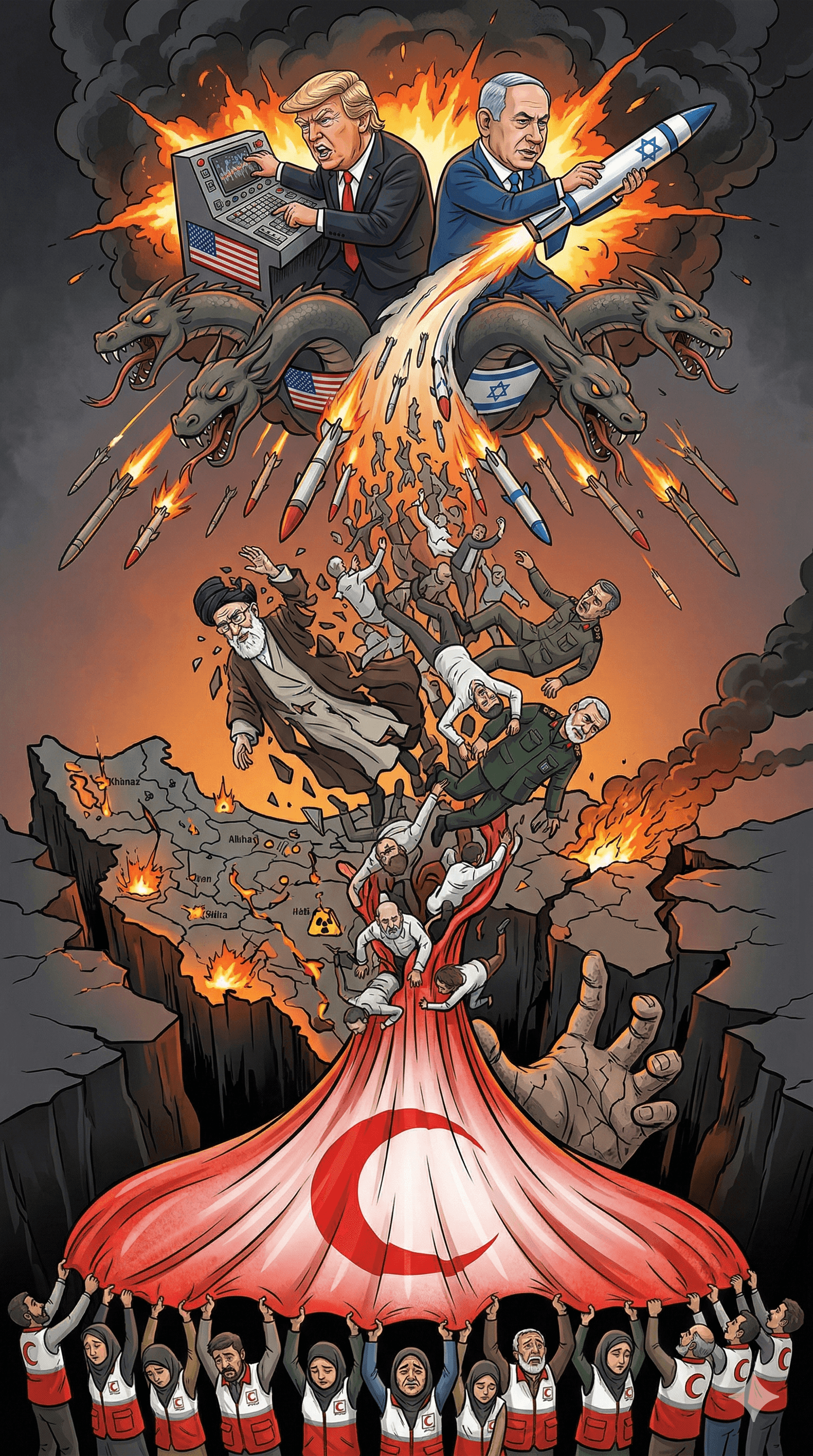
The human cost of the US-Israeli strikes on Iran is rapidly mounting. In a statement released on Monday, the Iranian Red Crescent Society confirmed that 555 Iranians have lost their lives since the joint military operations commenced on Saturday, February 28.
The humanitarian group noted that 131 cities have been directly affected by the bombardment. To manage the crisis, the Red Crescent has deployed over 100,000 rescue workers on "full alert" nationwide, with a network of approximately four million volunteers on standby to provide medical, evacuation, and psychosocial support to the impacted populations.
One of the most devastating incidents of the campaign occurred in the southern city of Minab in Hormozgan Province, where an airstrike hit the Shajareye Tayabeh girls' school. Local and state media reports indicate that dozens of students were killed in the blast, drawing international condemnation from human rights observers regarding the protection of non-combatants and civilian infrastructure in modern warfare.
Decapitation Strike: The Assassination of Ayatollah Ali Khamenei
The ongoing US-Israeli strikes on Iran represent a deliberate and highly coordinated effort to dismantle the Islamic Republic's military and political leadership. The initial wave of attacks on Saturday dealt a crippling blow to Tehran, resulting in the death of Supreme Leader Ayatollah Ali Khamenei alongside approximately 40 other senior regime officials.
Intelligence gathered by the CIA and shared with Israeli counterparts reportedly guided the precision strike that destroyed Khamenei's compound. Other high-ranking fatalities include senior commanders of the Islamic Revolutionary Guard Corps (IRGC), the Secretary of the Supreme National Security Council, Ali Shamkhani, and Defense Minister Aziz Nasirzadeh.
Following Khamenei's death, Iranian state media declared 40 days of national mourning. Top security official Ali Larijani announced the formation of a temporary leadership council and accused Washington and Tel Aviv of attempting to fracture the nation, vowing severe retaliation.
Widespread Retaliation, Gulf Instability, and U.S. Casualties
In response to the US-Israeli strikes, Iran and its allied militias have launched a massive counteroffensive, firing hundreds of ballistic missiles and drones at Israeli targets and US military installations across the Middle East. The conflict has rapidly spilled over Iran's borders, severely destabilizing the broader region.
The US Central Command (CENTCOM) confirmed that three American service members were killed and five seriously injured in Kuwait, marking the first U.S. military fatalities of the campaign. Additionally, Kuwait's defense ministry reported that several US warplanes crashed within its borders under ongoing investigation, though all pilots reportedly survived.
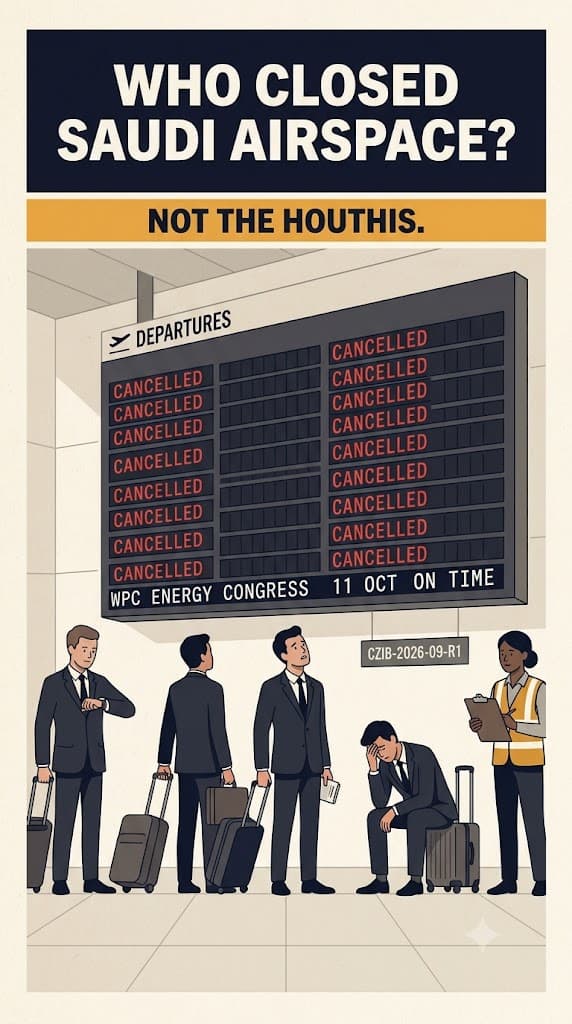
Iran's retaliatory strikes have also targeted neighboring Arab states hosting US military assets, including Saudi Arabia, Bahrain, the UAE, and Qatar. In Saudi Arabia, the vital Ras Tanura oil refinery was forced to halt operations following a drone attack, signaling severe economic implications for global energy markets.
Meanwhile, Lebanon’s Hezbollah entered the fray by launching missiles into Israel in retaliation for Khamenei's death. The Israeli military responded with extensive airstrikes across southern Lebanon and Beirut, killing at least 31 people and prompting Israeli officials to warn that a ground operation in Lebanon remains an option.
U.S. and Israeli Motivations: A "Four-Week" Timeline
U.S. President Donald Trump, who authorized the joint operation, has framed the military campaign as a decisive move to permanently dismantle Iran's nuclear program and neutralize its ballistic missile capabilities. President Trump stated the core objective was to ensure Iran "can never have a nuclear weapon," citing unverified advances in Tehran's long-range missile threats.
Trump indicated that the military operation is running "ahead of schedule" and could take "four weeks or less" to achieve its final objectives. However, he also issued a stark warning regarding the human cost of the conflict, stating that "there will likely be more [US casualties] before it ends."
The Israeli military echoed these sentiments, with military spokespersons stating that Israel will continue to intensify its campaign against "key elements of the regime." The International Atomic Energy Agency (IAEA) is monitoring the situation closely, as Iranian officials alleged that the Natanz nuclear enrichment facility was targeted, raising fears of potential radiation leaks—though the IAEA currently reports no confirmed damage to nuclear sites.
Global Reactions and Humanitarian Concerns
The unprecedented scale of the US-Israeli strikes on Iran has provoked polarized reactions globally. Anti-war protests have erupted in major US cities, including Washington D.C. and New York, with demonstrators demanding an end to American military involvement in the region. Internationally, China—Iran's largest oil buyer—condemned the strikes as "unacceptable" and urgently called for a ceasefire.
Conversely, the US and Israel maintain that the operations are a necessary, coordinated defensive measure to reshape the Middle East's security architecture by removing what they describe as the primary sponsor of regional terrorism.
Outlook and Regional Impact
The Middle East currently stands at a perilous historic juncture. As the Iran-Israel war expands to include proxy groups in Lebanon, Iraq, and Yemen, the risk of a protracted, multi-front war is higher than ever. The targeted killings of Iran's top leadership have created a dangerous power vacuum in Tehran. If the U.S. and Israel continue their intense bombardment, the humanitarian crisis inside Iran will undoubtedly worsen, with the death toll—already at a tragic 555—expected to rise significantly.
Simultaneously, the targeting of Gulf oil infrastructure threatens to disrupt global energy supply chains, potentially triggering widespread economic shocks. The next few weeks will be critical in determining whether this conflict fundamentally reshapes the geopolitical map of the Middle East or spirals into an uncontrollable global crisis.
#IranIsraelWar #MiddleEastConflict #IranNews #Geopolitics #USForeignPolicy #RedCrescent #AyatollahKhamenei #GlobalEconomy #BreakingNews #Lebanon #GulfSecurity #WorldNews