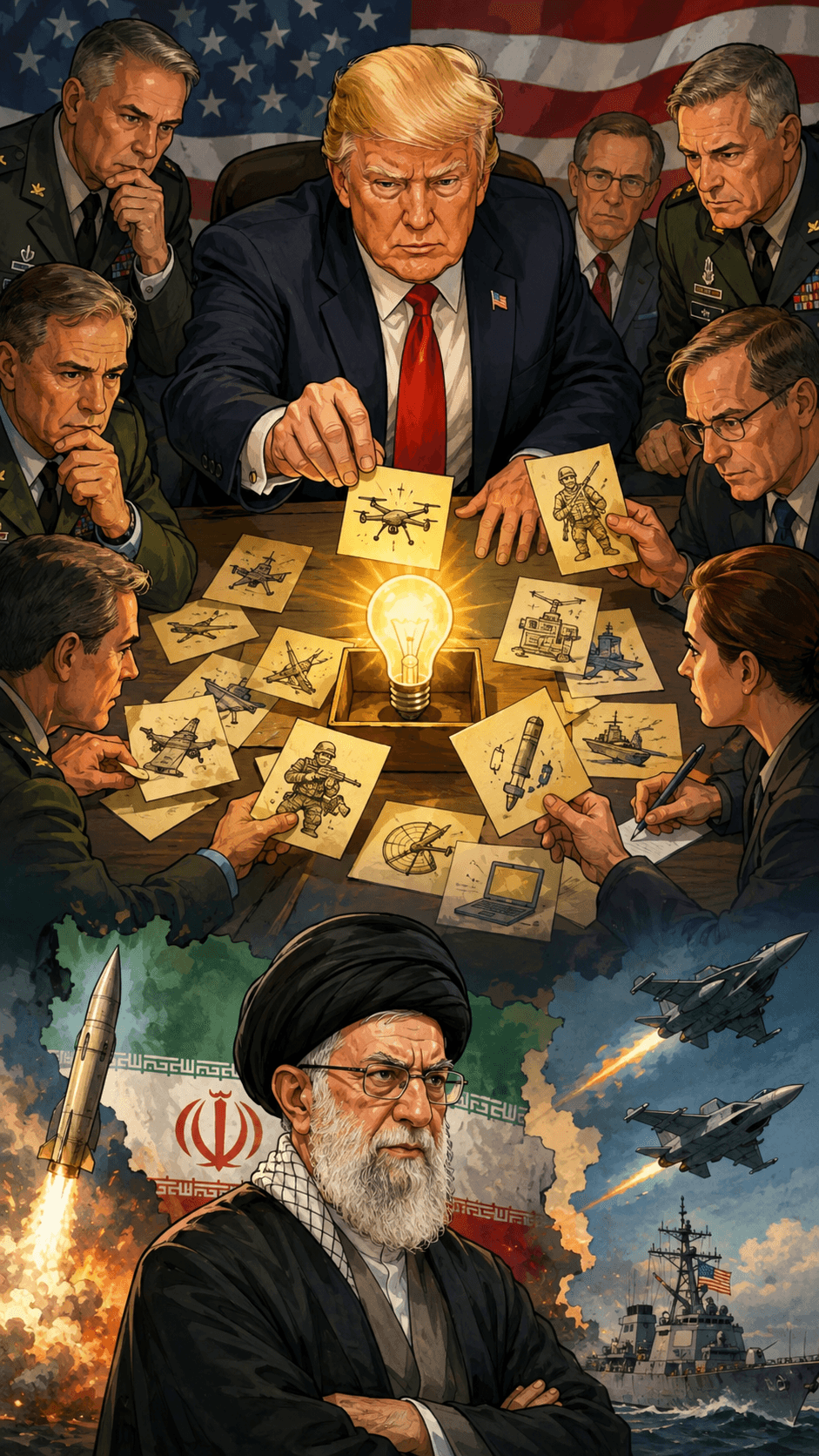
DUBAI/WASHINGTON — Nearly four weeks into a devastating conflict that has violently reshaped the Middle East and triggered global economic shockwaves, diplomatic backchannels are seeing renewed activity. Iran has confirmed it is reviewing a 15-point ceasefire proposal from the United States, though Tehran firmly denies engaging in direct negotiations. Conversely, U.S. President Donald Trump insists that Iranian leaders are secretly desperate to secure a peace agreement.
The contradictory statements highlight a volatile diplomatic standoff as both nations navigate a war that began on February 28 following U.S. and Israeli strikes on Iranian territory. With thousands of casualties, the assassination of high-ranking Iranian officials, and a global energy crisis stemming from disruptions in the Strait of Hormuz, the urgency for a resolution is mounting.
The Competing Peace Proposals and Denials
The diplomatic push centers on a 15-point U.S. proposal conveyed to Tehran through intermediaries, most notably Pakistan. According to regional diplomatic sources, the American plan demands that Iran remove its stockpiles of highly enriched uranium, halt all nuclear enrichment, severely curb its ballistic missile programs, and cut off funding to regional proxy militias.
Iranian Foreign Minister Abbas Araqchi confirmed that Tehran is reviewing the proposal but pushed back against the U.S. characterization of the exchanges.
"Messages being conveyed through our friendly countries and us responding by stating our positions or issuing the necessary warnings is not called negotiation or dialogue," Araqchi stated in a recent state television interview. "It is simply an exchange of messages through our friends."
In response to the U.S. terms, Iranian state media reported that Tehran has submitted a five-point counter-proposal. The Iranian demands include an immediate end to military strikes and targeted assassinations, guarantees against future wars, financial reparations, and recognized Iranian sovereignty over the Strait of Hormuz.
Speaking at an event in Washington, President Trump contradicted Araqchi’s assertions, claiming that backchannel talks are actively underway.
"They are negotiating, by the way, and they want to make a deal so badly, but they're afraid to say it because they will be killed by their own people," Trump said. "They're also afraid they'll be killed by us."
Despite the stark differences in the proposed terms, White House Press Secretary Karoline Leavitt characterized the ongoing indirect discussions as "productive," while issuing a stern warning. "If Iran fails to accept the reality of the current moment... President Trump will ensure they are hit harder than they have ever been hit before," Leavitt told reporters, adding that the administration is prepared to "unleash hell" if Tehran miscalculates.
Escalation on the Ground: US Troop Movements and Military Toll
The push for a ceasefire occurs against the backdrop of an unprecedented military degradation of Iranian forces. According to Admiral Brad Cooper, the head of U.S. Central Command, coalition forces have struck over 10,000 targets inside Iran. U.S. military briefings indicate that 92% of Iran's largest naval vessels have been destroyed, and the nation's drone and missile launch capabilities have been degraded by more than 90%.
The leadership in Tehran has also suffered severe blows. On the first day of the conflict, an Israeli strike killed Iran's Supreme Leader, Ayatollah Ali Khamenei. He was succeeded by his son, Mojtaba Khamenei, who was reportedly wounded in subsequent strikes and has not made a public visual appearance since assuming the role.
Despite these setbacks, Iran maintains a potent asymmetric threat, primarily through its ability to disrupt maritime traffic. To counter this, the Pentagon is moving to deploy thousands of additional forces to the region. Elements of the 82nd Airborne Division, alongside thousands of combat-ready Marines and naval personnel, are currently en route to the Middle East. Defense analysts speculate that these deployments are designed to give the U.S. the option of a ground assault to secure the Strait of Hormuz or seize Iran’s Kharg Island, which handles 90% of the country’s crude oil exports.
The Global Economic Shock: Strait of Hormuz and Oil Prices
The war’s most immediate global impact has been economic. Iran's effective closure of the Strait of Hormuz—a vital maritime chokepoint through which a fifth of the world's traded oil and liquefied natural gas usually passes—has caused severe disruptions to global supply chains.
Oil prices have surged past $100 a barrel, sparking fears of widespread fuel shortages and a resurgence of global inflation. The economic strain is being felt domestically in the United States, where rising gasoline prices are translating into a political liability for the Trump administration. Recent polls indicate that while support for the initial military action was robust, the economic fallout has dragged the president's approval ratings to new lows, increasing domestic pressure on the White House to finalize a peace deal.
Financial markets remain highly reactive to the geopolitical posturing. Global stock markets rallied briefly earlier in the week on initial hopes of a ceasefire, but optimism faded—and oil prices resumed their upward trajectory—as the stark differences between the U.S. and Iranian peace conditions became public.
Outlook and Regional Implications
Finding a diplomatic off-ramp remains incredibly complex. Israel, having established a defensive buffer zone in southern Lebanon, has expressed skepticism regarding the ceasefire terms. Israeli defense officials are concerned that U.S. negotiators might make premature concessions and are demanding that any agreement preserve Israel's right to conduct pre-emptive military strikes.
Furthermore, Iran has informed regional intermediaries that the ongoing conflict in Lebanon must be addressed in any comprehensive ceasefire, linking the end of U.S.-Iran hostilities to a halt of Israel's military campaign against Hezbollah. Hezbollah leadership has publicly rejected the idea of negotiating "under fire," framing such moves as surrender.
As intermediaries from Pakistan, Turkey, and Egypt scramble to facilitate further indirect communications—and potentially arrange in-person talks in a neutral location—the window for de-escalation appears narrow. With U.S. reinforcements arriving in the Gulf and Iran steadfast on its counter-demands, the coming days will be critical in determining whether the region pivots toward a tenuous truce or a broader, even more destructive phase of the war.