A New Pillar of Security in the Middle East
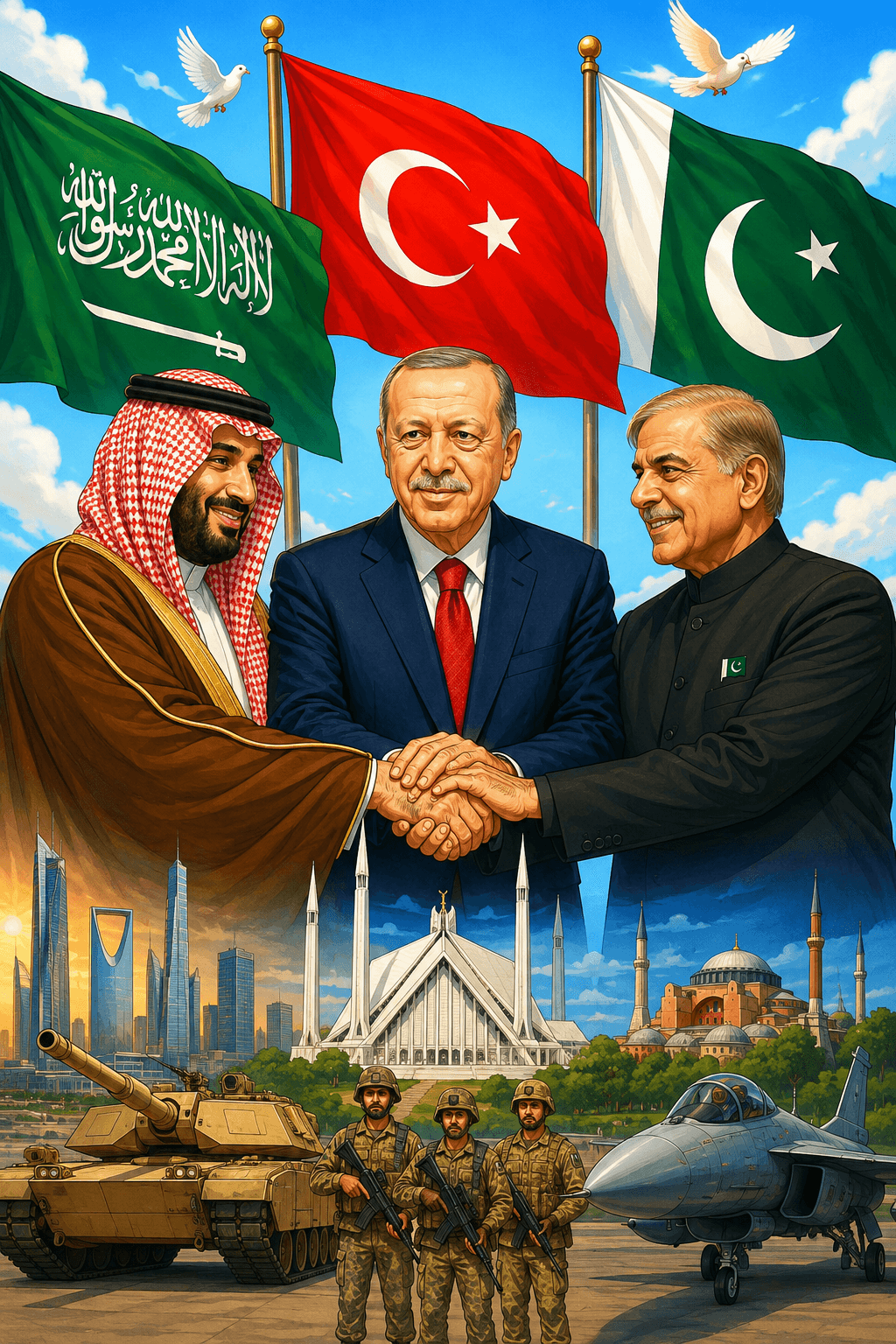
In a monumental shift for Middle Eastern geopolitics, Saudi Arabia, Turkey, and Pakistan signed a trilateral defense pact on Friday, August 7, 2026, in Mecca, Saudi Arabia. Dubbed the "Mecca Joint Defence Agreement," the treaty establishes a unified security framework among three of the most influential Sunni Muslim nations globally. Signed by Saudi Crown Prince Mohammed bin Salman, Turkish President Recep Tayyip Erdoğan, and Pakistani Prime Minister Shehbaz Sharif, the agreement signifies a major realignment of regional military alliances.
The high-profile meeting, which also included Pakistan's powerful Army Chief, General Asim Munir, highlights the urgency and gravity of the pact. Driven by escalating regional conflicts and growing doubts regarding traditional security umbrellas, the treaty formalizes long-standing bilateral defense ties into a formidable trilateral bloc.
The Core Clause: Mutual Defense in Action
At the heart of the Mecca Joint Defence Agreement is a collective defense provision that fundamentally alters the strategic calculus of the region. According to Pakistan's Foreign Ministry, the core tenet of the pact dictates that an armed attack on any one of the three signatory nations will be regarded as an attack against them all.
This mutual defense commitment echoes the foundational Article 5 of the NATO alliance, effectively establishing a unified military front stretching from the Mediterranean Sea to the Arabian Sea. While the full, unredacted text of the treaty has not yet been made public, regional security sources confirm that the agreement is designed to pool the military, intelligence, and logistical capabilities of the three nations to deter external aggression.
Geopolitical Background: Escalation and Vulnerabilities
The signing of this defense pact does not occur in a vacuum; it is a direct response to severe and ongoing turmoil in the Middle East. The region has been deeply destabilized following a major United States and Israeli military campaign against Iran, which began on February 28, 2026.
Since the onset of that conflict, Saudi Arabia has found itself repeatedly in the crosshairs. The Kingdom has faced a barrage of retaliatory strikes from Iran, as well as from Tehran-backed Houthi forces in Yemen and various Shiite militias operating out of Iraq. These attacks have severely tested Saudi Arabia's air defense networks and highlighted vulnerabilities in the Gulf states' security architectures.
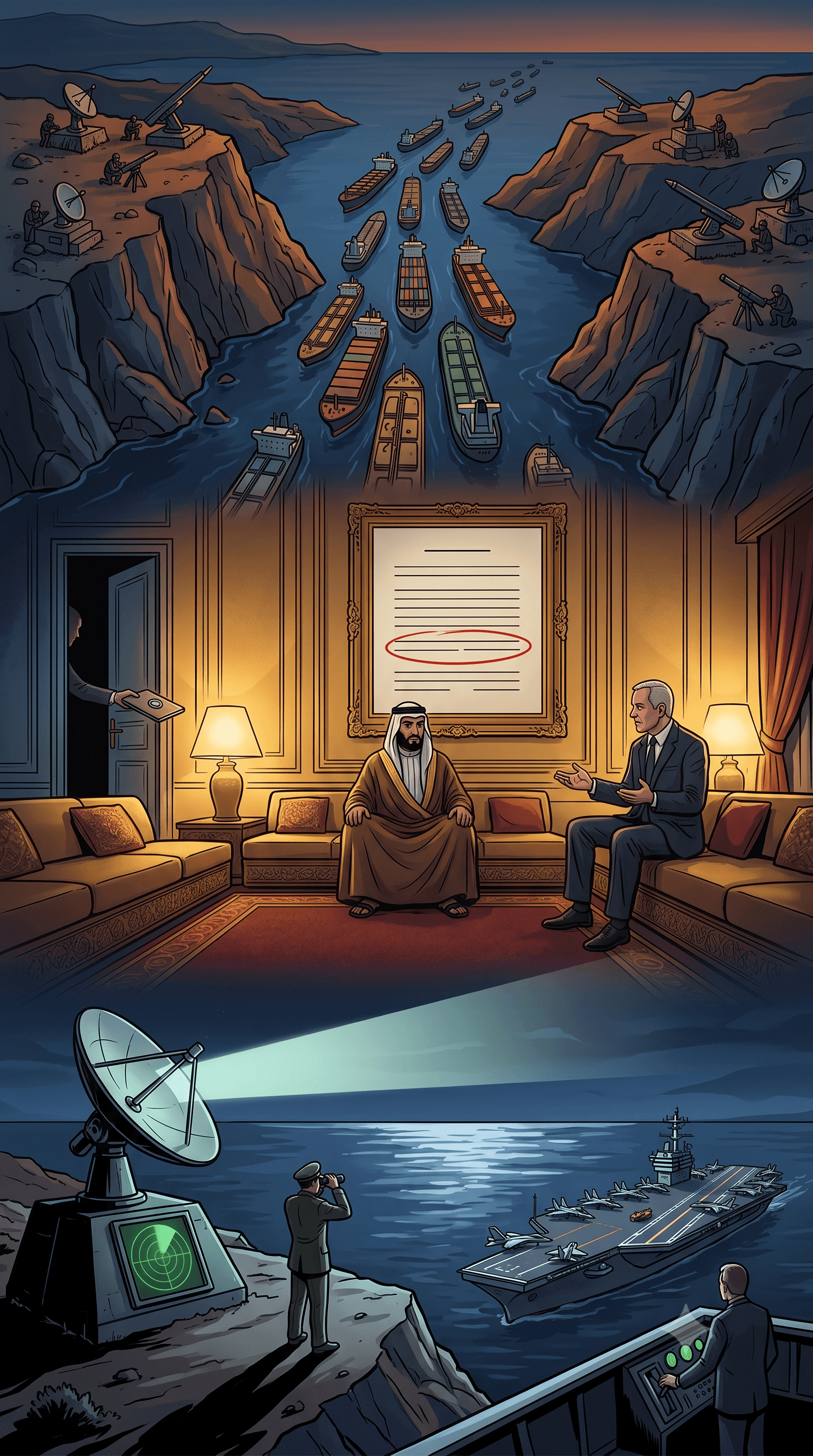
Furthermore, the conflict has drastically disrupted global trade, particularly in the critical Strait of Hormuz, a maritime chokepoint through which a significant portion of the world's oil and liquefied natural gas passes. Amid these compounding threats, Saudi Arabia has increasingly questioned the reliability of its traditional United States security umbrella, prompting Riyadh to aggressively pursue alternative, binding security guarantees with regional powerhouses.
The Key Stakeholders: A Sunni Powerhouse Alliance
The Mecca Joint Defence Agreement brings together three distinct, complementary powers, creating a defense bloc with vast resources, strategic depth, and advanced military capabilities.
Saudi Arabia: As one of the world's leading oil exporters and the wealthiest of the Gulf states, Riyadh brings immense financial resources, strategic geographic positioning, and a pressing need for direct military protection for its infrastructure and developmental goals.
Turkey: Ankara boasts the second-largest military in the NATO alliance and a rapidly expanding domestic defense industry. Turkey's advanced military technology, particularly its highly effective drone programs, provides the alliance with sophisticated combat and surveillance capabilities.
Pakistan: As the sole nuclear-armed Muslim-majority nation, Islamabad provides the ultimate strategic deterrent. Additionally, Pakistan possesses a massive, battle-hardened standing army and a long history of military cooperation in the Gulf.
By combining Saudi wealth, Turkish technological and conventional military might, and Pakistani manpower and nuclear deterrence, the alliance is uniquely positioned to project power and safeguard its members' sovereignty.
Evolution of Military Ties
While the trilateral nature of the Mecca Joint Defence Agreement is unprecedented, the military ties between the three nations have been deepening for decades. The new treaty acts as the culmination of years of strategic negotiations and bilateral agreements.
Most notably, the new pact builds upon the "Strategic Mutual Defence Agreement" (SMDA), a bilateral security pact signed between Saudi Arabia and Pakistan in September 2025 following escalating regional tensions. In the wake of that agreement, Pakistan substantially increased its military footprint in the Kingdom, deploying an estimated 8,000 troops, fighter jets, air-defense systems, and drones by May 2026.
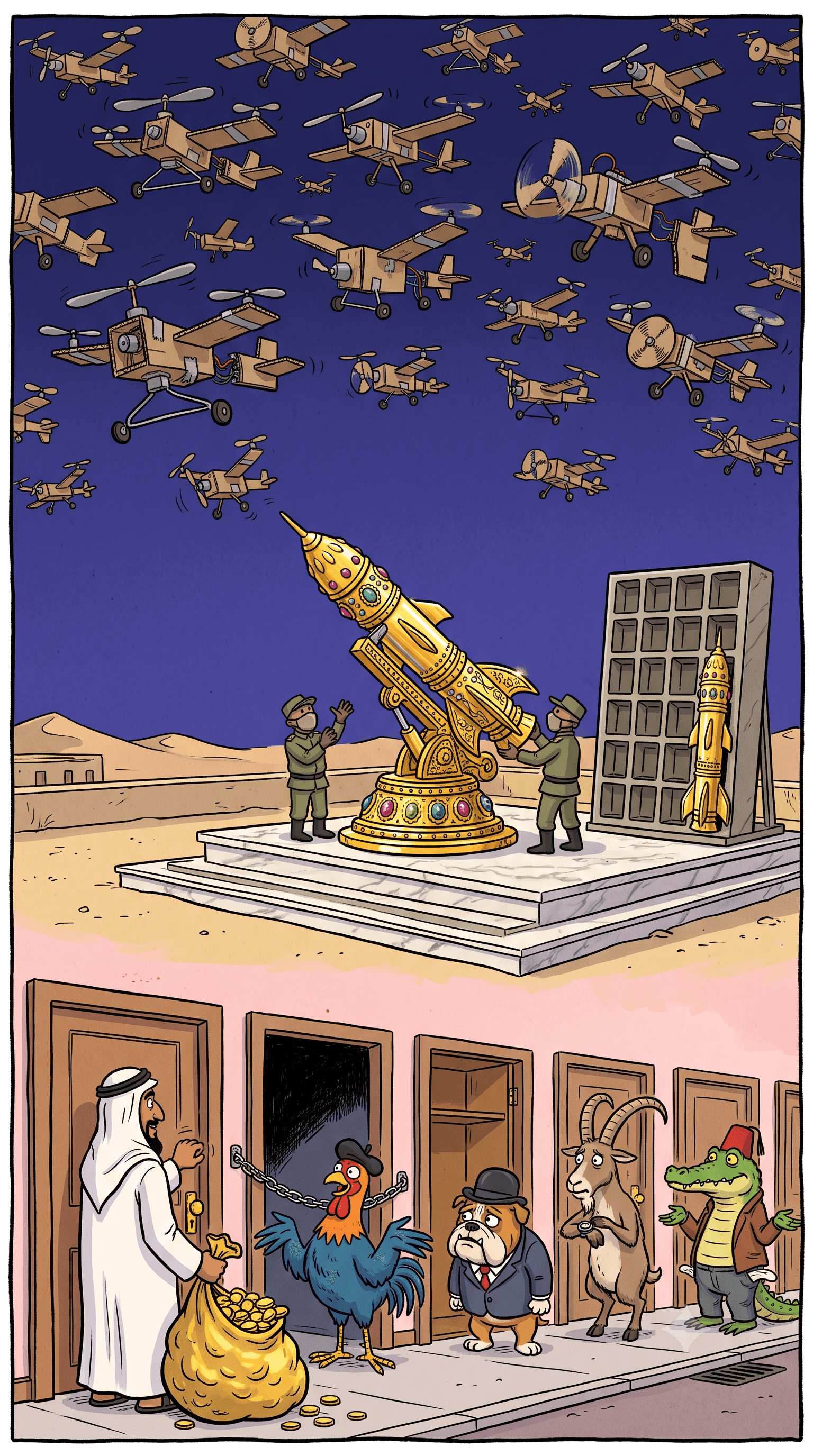
Similarly, Saudi Arabia and Turkey have steadily enhanced their defense trade. In 2023, Riyadh awarded Ankara its largest-ever defense export contract for the acquisition of advanced Turkish drones. Turkish Foreign Minister Hakan Fidan previously indicated earlier in 2026 that Ankara heavily favored establishing a broader regional security platform. Friday's signing in Mecca brings that vision to fruition.
Global and Regional Implications
The ramifications of the Mecca Joint Defence Agreement will resonate far beyond the borders of the three signatory nations. For Iran, the formalization of this pact presents a formidable deterrence challenge. Surrounded by a unified, highly capable military bloc, Tehran may be forced to recalibrate its regional strategy and proxy warfare tactics.
Internationally, the treaty signals a growing multipolarity in global security. Saudi Arabia's pivot toward binding defense commitments with Turkey and Pakistan underscores a strategic diversification away from an exclusive reliance on Washington. Meanwhile, regional powers such as India are reportedly monitoring the situation closely. New Delhi is naturally cautious of any developments that rapidly expand Pakistan's defense alliances and integrate its military so deeply with Middle Eastern and NATO-aligned powers.
Outlook: Stabilization or Further Polarization?
As the Middle East navigates one of its most volatile periods in recent history, the Mecca Joint Defence Agreement could serve as a powerful stabilizing force. By establishing a clear threshold for collective retaliation, the pact aims to deter further cross-border attacks and secure vital energy supply chains. However, there is also the risk that formalizing such a powerful alliance could further entrench regional divides, accelerating an arms race and solidifying the geopolitical battle lines between Iran's proxy network and the new Saudi-Turkish-Pakistani bloc. Moving forward, the true test of the alliance will be its operational integration and its ability to de-escalate crises before they trigger the treaty's mutual defense obligations.