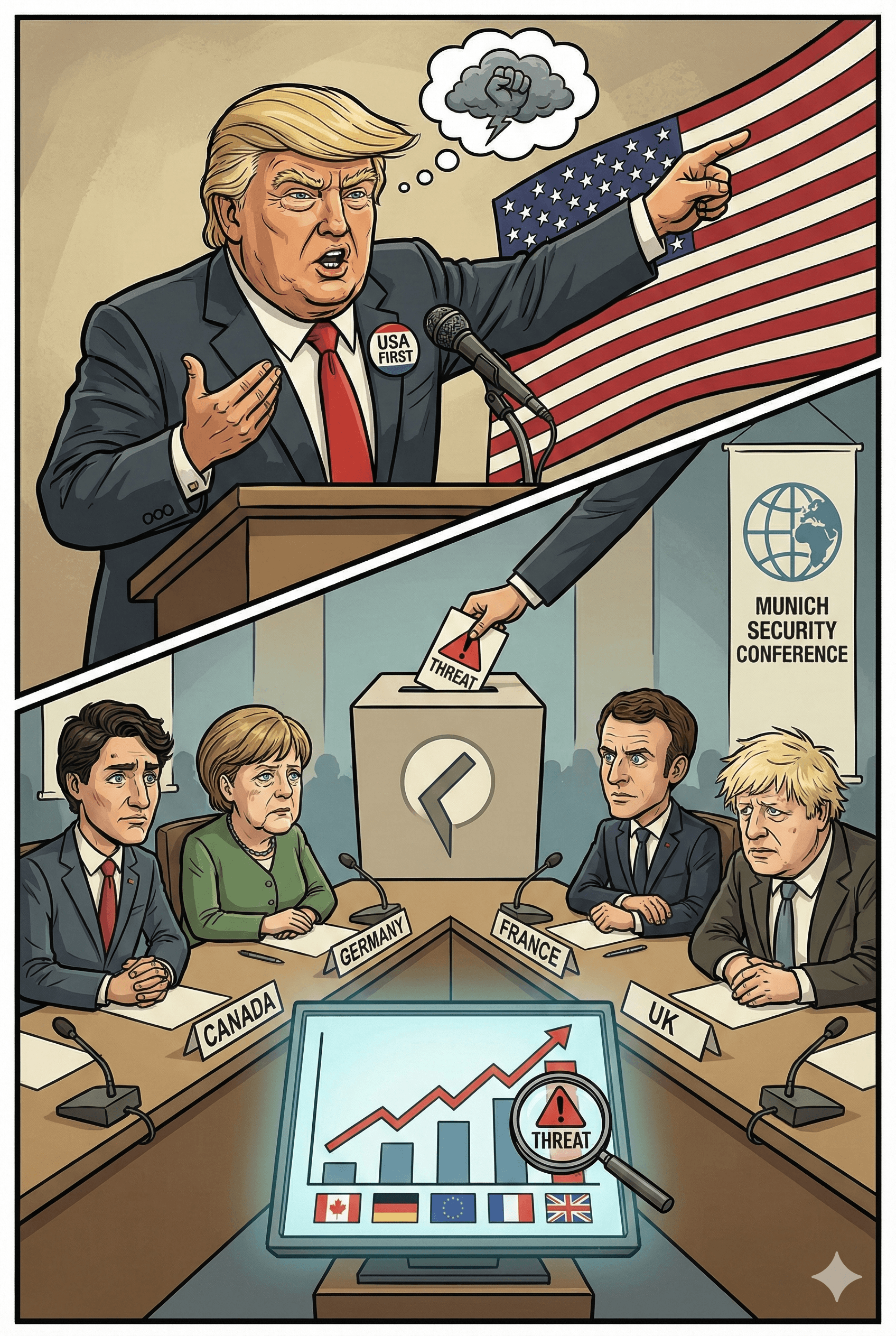
MUNICH — The 2026 Munich Security Conference (MSC) has opened under a cloud of unprecedented trans-Atlantic tension, as a new report reveals that key US allies—including Canada and Germany—increasingly view the United States as a security threat rather than a guarantor of peace.
The Munich Security Report 2026, titled "Under Destruction," paints a stark picture of a geopolitical landscape where the post-1945 international order is being actively dismantled, not by its traditional adversaries, but by its architect. The report’s findings, based on the Munich Security Index 2026, indicate a profound shift in global public opinion following the first year of President Donald Trump’s second term, characterizing his administration's approach as "wrecking-ball politics."
The "Wrecking Ball" Era: A Shift in Global Perception
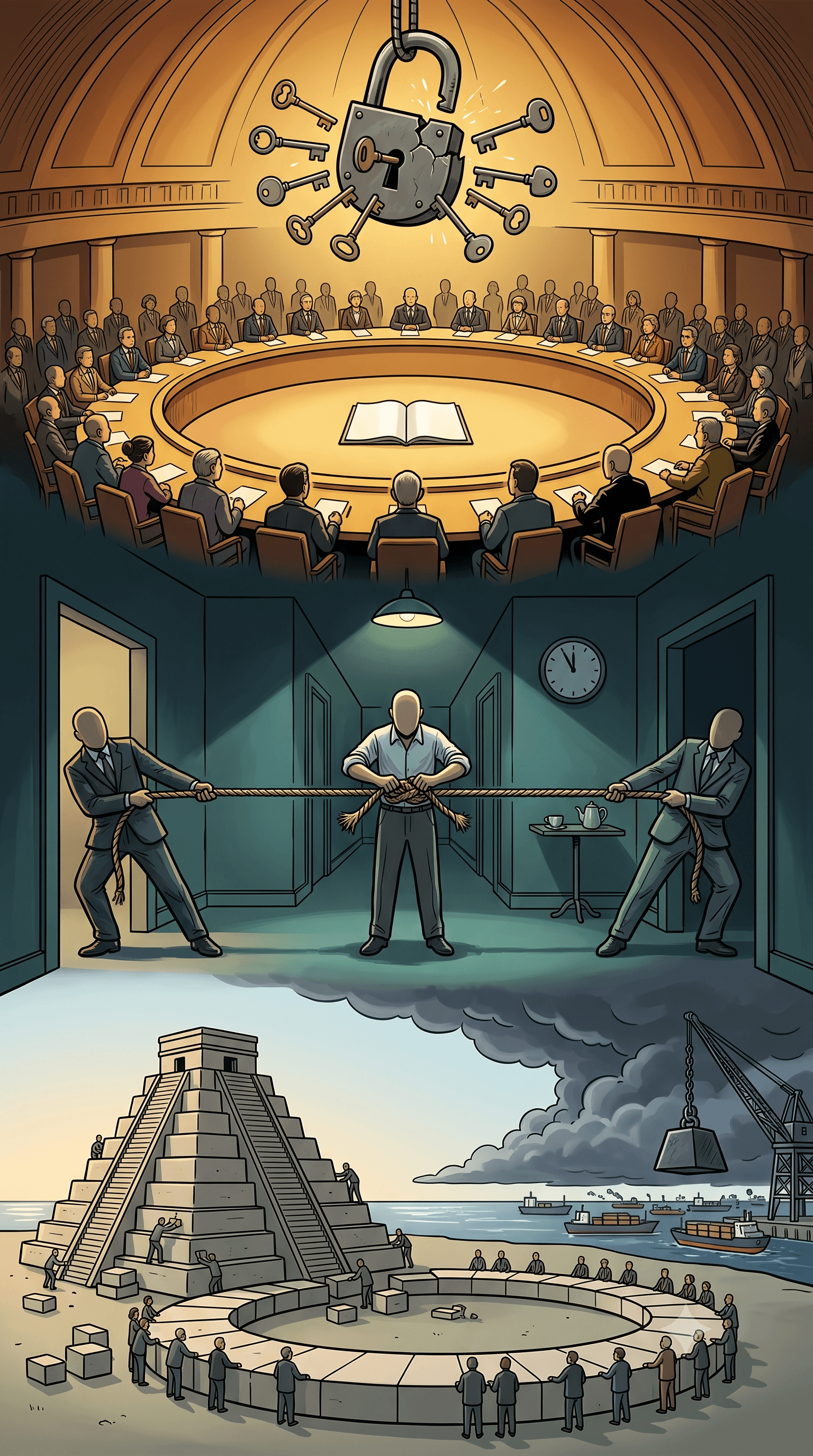
The annual report, which sets the agenda for the world's premier defense gathering, offers a grim diagnosis of the current state of global affairs. It argues that the world has entered a phase of "demolition" where established norms, alliances, and institutions are being targeted.
"The most prominent of those who promise to free their country from the existing order's constraints... is the current US administration," the report states. It posits that Washington has moved from a strategy of reform to one of systemic destruction, utilizing tariffs, diplomatic withdrawal, and coercive rhetoric to dismantle the multilateral framework built over the last 80 years.
The data supports this narrative. In almost all G7 countries surveyed, the perception of the United States as a "major risk" has surged. While Russia and China remain significant concerns, the sharpest rise in anxiety among Western populations is directed toward their oldest ally across the Atlantic.
The Canadian Shock: Turning Away from the US
Perhaps the most alarming statistic for North American observers comes from Canada. Historically America’s closest economic and security partner, Canada has seen a dramatic reversal in public sentiment.
According to the Munich Security Index, a higher percentage of Canadians now view the United States as a threat to their country than those who view it as an ally. This statistical tipping point follows a year of aggressive trade measures, including renewed tariffs on Canadian steel and aluminum, and contentious border disputes.
Analysts suggest this shift is not merely political but existential for Ottawa. "For Canadians, the psychological shock is profound," notes one security analyst cited in the briefing. "The assumption of a 'special relationship' has effectively evaporated, replaced by a transactional reality where Canada is treated no differently than an economic adversary."
This sentiment is echoed by recent remarks from Canadian officials, who have warned that the US retreat from the rule of law in international trade forces middle powers to seek new, often uncomfortable, arrangements to secure their prosperity.
Europe on Edge: The German Pivot
The mood is equally somber in Europe. In Germany, the host nation of the conference, the percentage of citizens who view the US as a "threat to global peace" has nearly doubled since 2024, rising from 24% to 46%.
German skepticism has been fueled by doubts regarding Washington's commitment to NATO’s Article 5. Following Vice President J.D. Vance’s speech at last year's conference—where he berated European allies for "suppressing free speech" and labeled internal European politics a greater threat than Russia—trust in the security umbrella has fractured.
The report highlights that only one-third of Germans now believe the US would provide military assistance if Europe were attacked. This collapse in confidence is accelerating calls for "European strategic autonomy," a concept once debated theoretically but now viewed as an urgent necessity in Berlin and Paris.
A "Civilizational Erasure"?
The report delves into the ideological drivers behind this shift, citing the Trump administration’s 2025 National Security Strategy, which controversially warned of "civilizational erasure" in the West. This rhetoric has alienated European leaders who view the current US foreign policy as driven by "nativist instincts" rather than shared democratic values.
The friction is not limited to security. The threat to "annex Greenland"—a recurring flashpoint that has drawn sharp rebukes from Denmark and the European Union—is cited in the report as a prime example of the "coercive" and "unpredictable" nature of current US diplomacy.
The Global South Divergence
Interestingly, the report notes a divergence in how the "Global South" views this disruption. In countries like India, the response to Trump’s "wrecking ball" is less uniformly negative.
Indian respondents showed a relatively higher approval of Trump’s policies compared to their Western counterparts. The report suggests that for nations long skeptical of the "double standards" of the Western-led order, the dismantling of established institutions is viewed with a mix of caution and opportunity. While concerns about US economic coercion remain high in New Delhi, the geopolitical realignment offers space for rising powers to assert their own influence independent of Washington’s traditional structures.
Economic Coercion as Statecraft
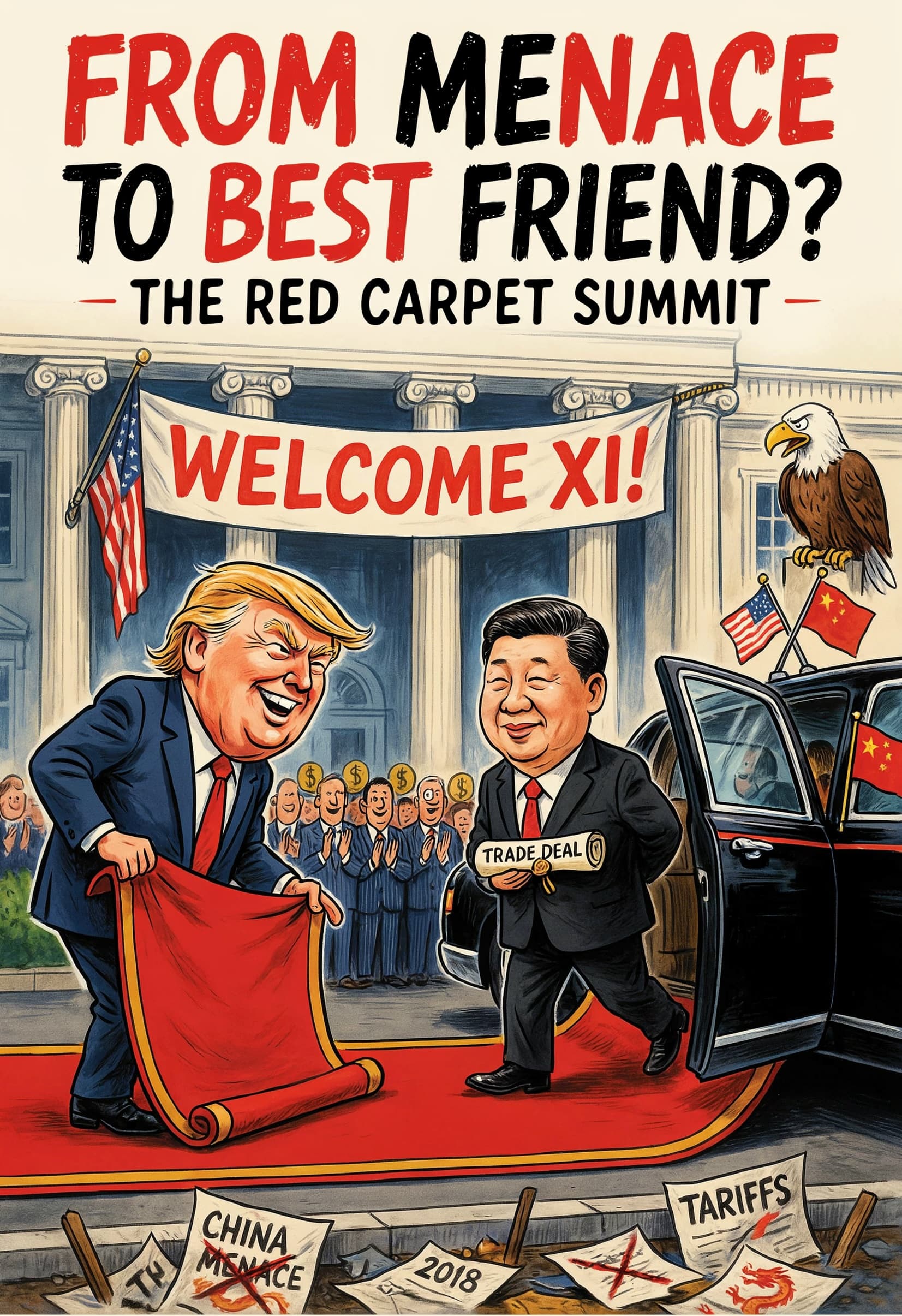
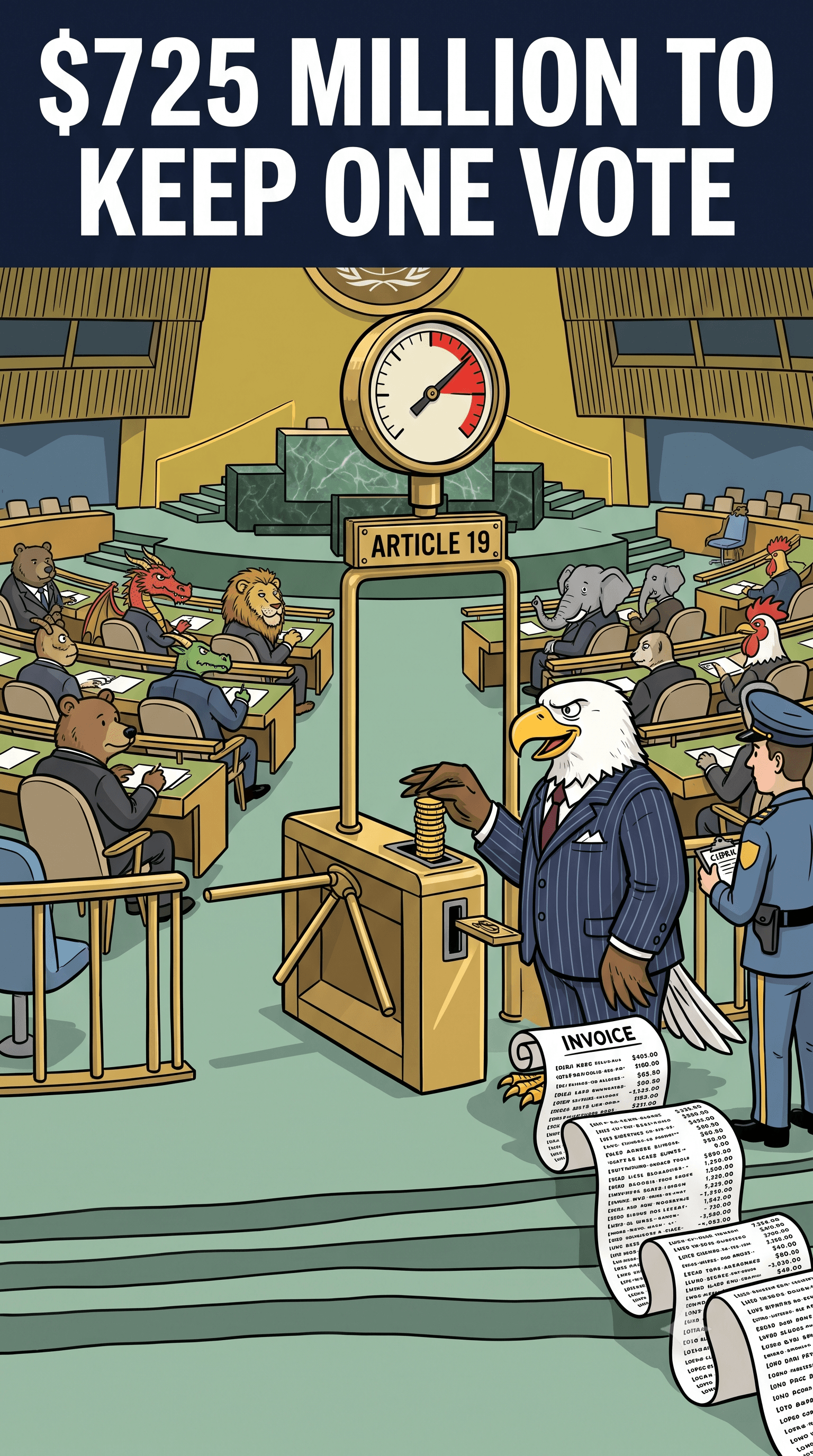
A significant portion of the Under Destruction report focuses on the weaponization of the economy. The administration’s aggressive use of tariffs—described as "non-WTO compliant" and sweeping—has triggered a cycle of retaliation.
The report warns that the US is creating a "Hobbesian world" of unrestrained economic competition. By paralyzing the World Trade Organization (WTO) and pursuing bilateral deals that benefit "America First," the administration is forcing allies to choose between submission to US economic demands or decoupling.
"The United States is no longer the guardian of the global economy," the report concludes. "It is now the primary source of its volatility."
Outlook: A Fractured West
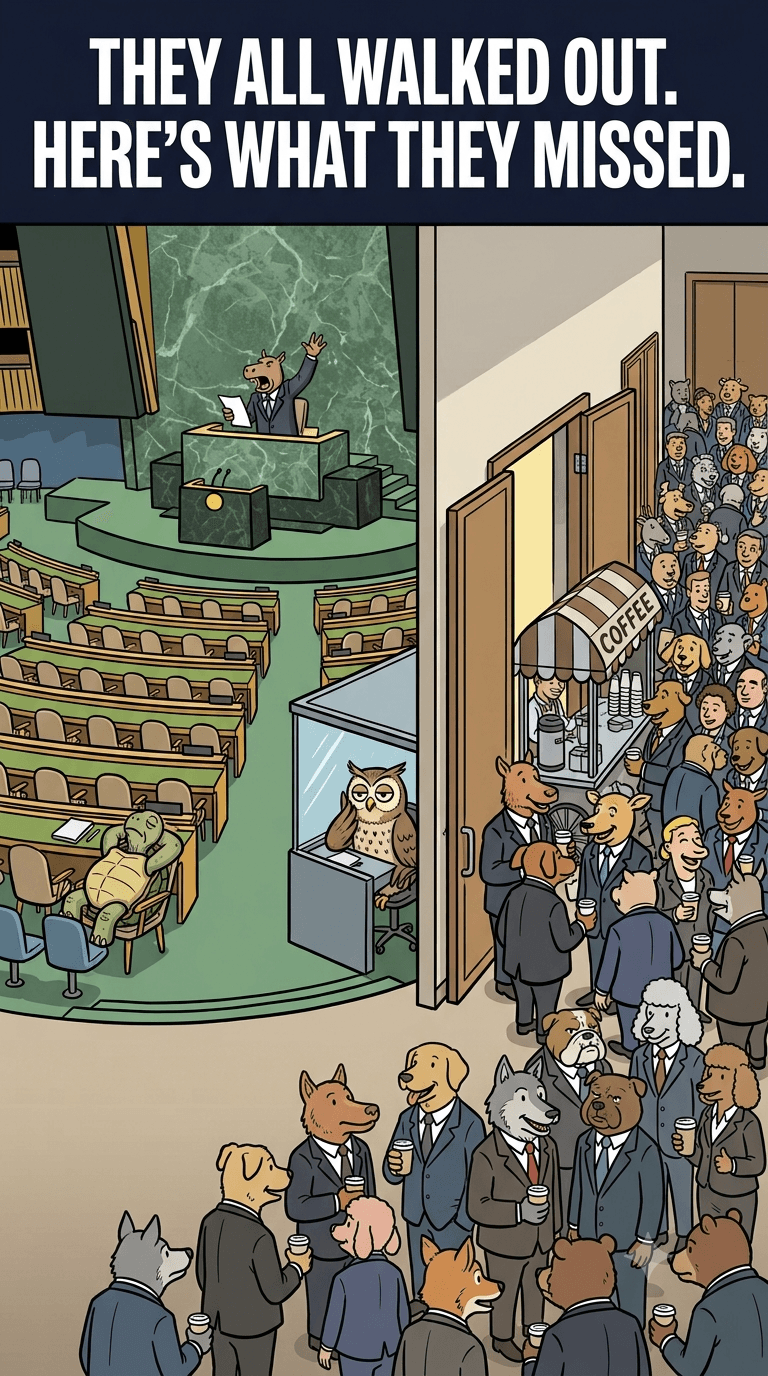
As world leaders, defense ministers, and intelligence chiefs gather in Munich this weekend, the atmosphere is expected to be tense. The traditional expressions of trans-Atlantic unity are likely to be replaced by frank, and perhaps hostile, exchanges regarding the future of the alliance.
The key question facing the conference is no longer how to coordinate against external authoritarian threats, but how to manage the internal disintegration of the West. With the US explicitly stepping back from its role as a global stabilizer, allies in Europe and Canada are left to navigate a dangerous interim period—trying to preserve the remnants of the international order while preparing for a future where they must defend themselves, potentially alone.
For the first time in decades, the Munich Security Conference is not just discussing threats to the West, but the threat of the West’s own unraveling.
Impact and Future Outlook
The release of the Under Destruction report marks a watershed moment in diplomatic relations. The explicit categorization of the US as a security risk by its closest allies will likely accelerate efforts in Europe and Canada to diversify trade and defense partnerships away from Washington. This could lead to the formation of new "middle power" coalitions excluding the US, fundamentally altering the geopolitical map for the remainder of the decade.
Relevant Hashtags
#MSC2026 #MunichSecurityConference #Geopolitics #USForeignPolicy #CanadaUSRelations #EuropeanSecurity #GlobalTrade #NATO #TrumpAdministration #InternationalOrder #Diplomacy #WorldNews