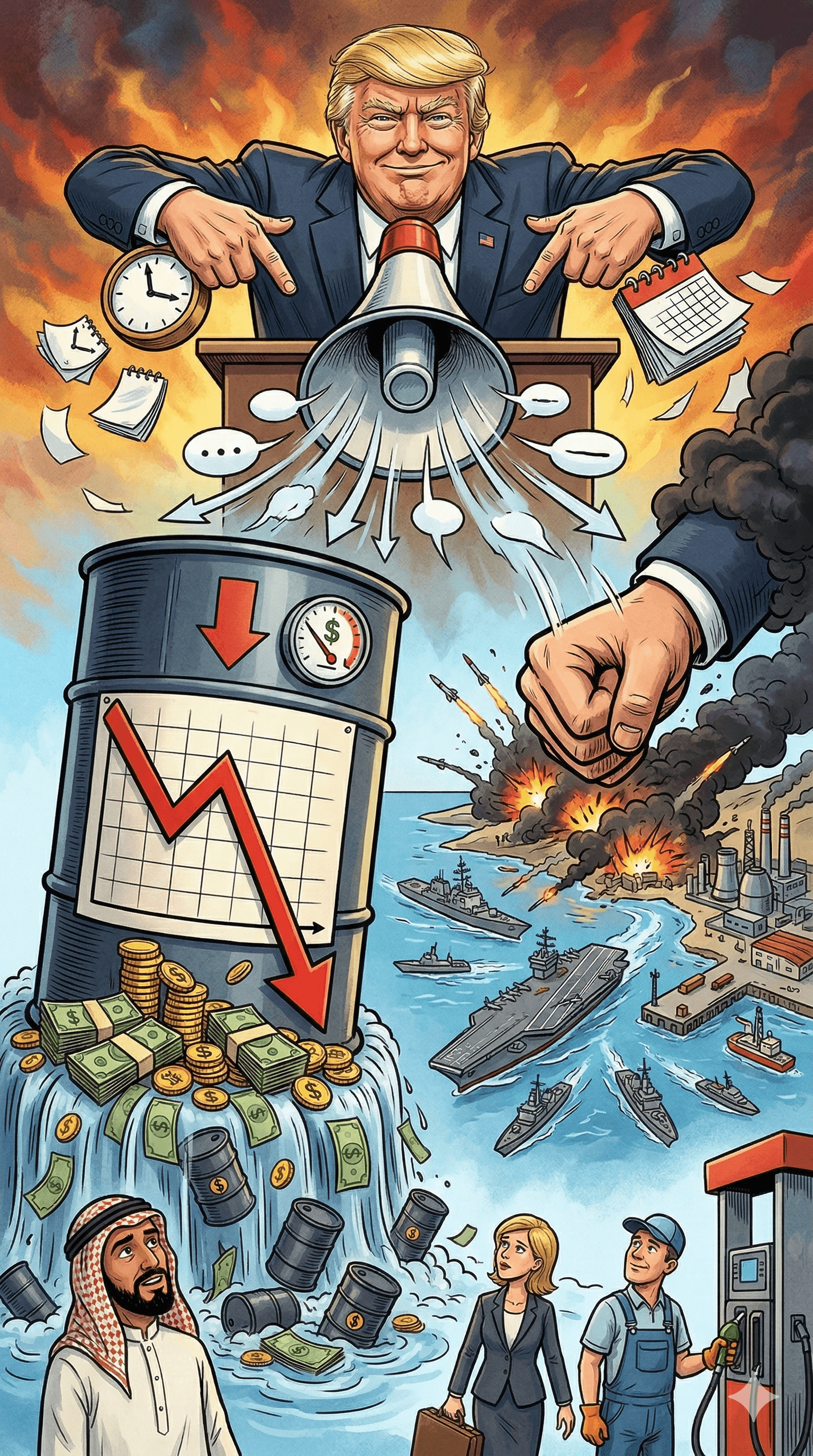
Global energy markets experienced significant whiplash this week as oil prices dipped following statements from U.S. President Donald Trump, who announced that the ongoing military campaign against Iran is "very far ahead of schedule." Speaking from his golf club in Florida and in a subsequent phone interview with CBS News, Trump signaled that the U.S.-Israeli war with Iran, which began in late February 2026, could reach its conclusion "very soon."
The sudden reassurance from the White House prompted a sharp reversal in benchmark crude oil prices, which had briefly surged to their highest levels since 2022 amid fears of prolonged conflict and major supply chain disruptions in the Middle East. As the conflict enters its second week, the geopolitical landscape remains volatile, heavily influenced by the ascent of a new Iranian Supreme Leader and the persistent threat of a shutdown in the strategically vital Strait of Hormuz.
H2: The Economic Impact: Oil Prices Retreat from Peak Levels
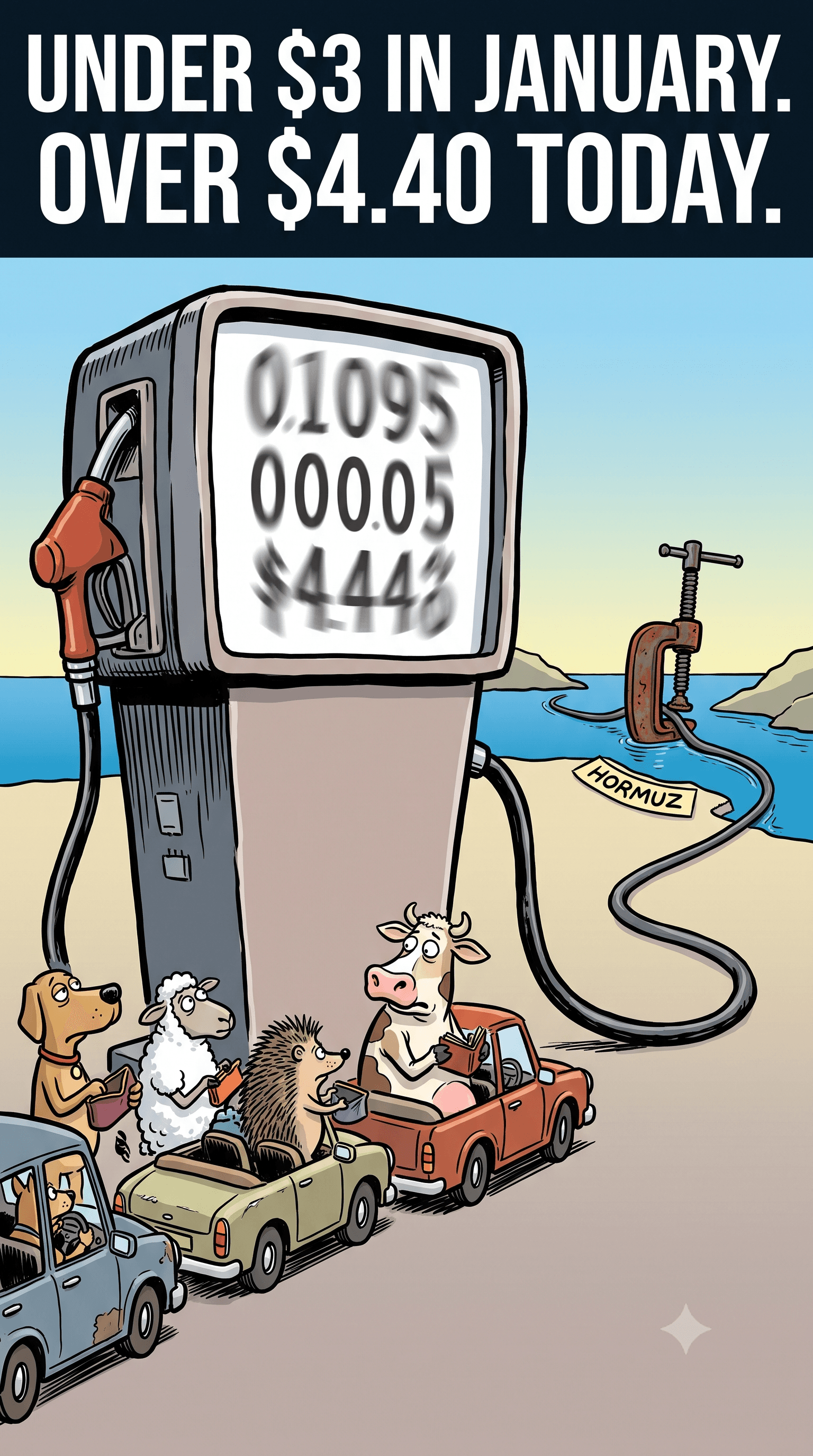
The primary driver behind the sudden fluctuation in global markets is the deep intertwining of Middle Eastern geopolitics and the global economy. At the onset of the trading week, benchmark oil prices spiked dramatically, with crude soaring past $119 per barrel. This panic was fueled by fears that Iran would block the Strait of Hormuz—a crucial maritime chokepoint through which approximately one-fifth of the world’s daily oil supply transits.
Shutterstock
However, oil prices dipped sharply, falling back below the $100 mark to settle near $90 a barrel, almost immediately after President Trump moved to reassure markets. His assertion that the military operation was a "short-term excursion" rather than a protracted engagement provided immediate relief to Wall Street and international energy sectors, allowing major stock indices to climb back into positive territory.
Despite this stabilization, energy analysts caution that the market remains highly sensitive. Several global shipping giants have formally halted export shipments from the Gulf, and major state-owned energy companies in the region, including Bahrain's Bapco, have declared force majeure following strikes on regional oil facilities.
H2: Trump's Assessment: A Campaign "Ahead of Schedule"
President Trump’s optimistic timeline stands in contrast to his administration's earlier projections that the conflict might last four to five weeks. "I think the war is very complete, pretty much," Trump remarked, emphasizing that the U.S. military has systematically dismantled Iran's defense infrastructure.
According to the President, U.S. forces have successfully struck over 5,000 targets since the operation began. Trump claimed that the Iranian military has "nothing left," stating that their naval capabilities, air force, and communications networks have been decimated. A particular focus of the U.S.-Israeli strikes has been the systematic destruction of drone manufacturing facilities and ballistic missile sites.
However, the administration’s messaging has featured notable nuances. While highlighting the rapid success of the campaign, Trump also noted that "some of the most important targets"—such as major electricity production facilities—have been reserved "for later" to maintain strategic leverage. Furthermore, the President clarified to Republican lawmakers that while the U.S. has achieved unprecedented military success, the war will not officially end until the enemy is "totally and decisively defeated" and stripped of its capacity to threaten the U.S. and its allies.
H2: Geopolitical Context and the Battle for the Strait of Hormuz
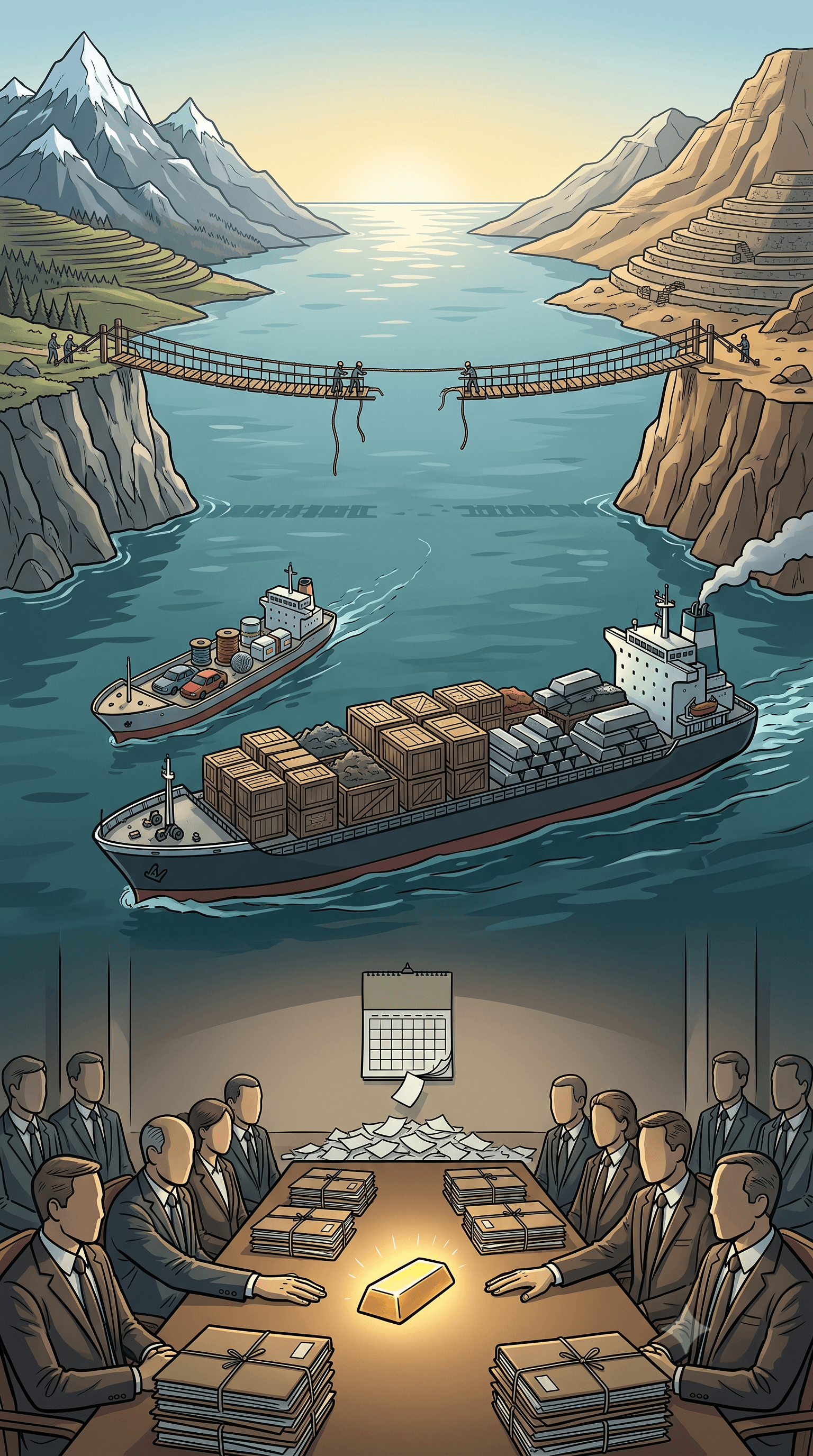
A central tension in the current conflict revolves around the Strait of Hormuz. As retaliatory strikes from Tehran targeted energy infrastructure across the Gulf, Iranian officials signaled that the waterway would likely remain closed. The Islamic Revolutionary Guard Corps (IRGC) bluntly warned that it would not allow "one litre of oil" to be exported from the region if the U.S.-Israeli bombardment continued.
In response, President Trump issued a stark ultimatum, warning that Iran would be hit "twenty times harder" if it attempted to hold the global oil supply hostage. Threatening to eradicate the country's remaining infrastructure, Trump emphasized that the U.S. will not permit a regime to dictate global energy dynamics.
Adding a new layer of complexity to the geopolitical standoff, Trump revealed that his administration is actively "thinking about taking over" the Strait of Hormuz to ensure the free flow of commerce. The U.S. is already offering political risk insurance to tankers in the Persian Gulf and stands ready to provide military escorts for commercial vessels.
H2: A New Supreme Leader and Regional Escalation
The political landscape inside Iran has shifted dramatically during the conflict. Following the assassination of Ayatollah Ali Khamenei in the first wave of U.S.-Israeli strikes, the Iranian establishment quickly moved to appoint his 56-year-old son, Mojtaba Khamenei, as the new Supreme Leader. Mojtaba, known for his deep ties to the IRGC, has assumed power during what analysts describe as the nation's most perilous moment in modern history.
President Trump publicly expressed disappointment with the succession, predicting that Mojtaba Khamenei’s leadership would lead to "more of the same problem." The transition of power was immediately marked by a fresh wave of Iranian missile and drone attacks directed not only at Israel but also at neighboring Gulf Arab states, including Saudi Arabia, Bahrain, Qatar, and the United Arab Emirates.
H3: Implications for the Middle East
These retaliatory strikes on neutral or Western-aligned neighbors have severely backfired diplomatically. According to political analysts, Tehran's aggression has successfully pushed formerly neutral Gulf states firmly into Washington's corner, reshaping the coalition dynamics of the Middle East conflict. The IRGC, rejecting Trump’s timeline, has stated firmly that Tehran, not Washington, will "determine the end of the war."
Outlook and Global Impact
As the U.S.-Israeli war with Iran progresses into a critical phase, the global community remains on high alert. While oil prices dip in response to the prospect of a swiftly concluded conflict, the underlying volatility of the region guarantees that the economic impact is far from settled. The immediate future hinges on whether the U.S. military can decisively conclude its operations before regional actors escalate the war further, and whether the crucial Strait of Hormuz remains navigable. Until a formal resolution or ceasefire is established, the global economy will continue to operate under the heavy shadow of the Middle East conflict.
#news #geopolitics #economy #IranWar #OilPrices #DonaldTrump #MiddleEast #StraitOfHormuz #GlobalEconomy #USPolitics