As the geopolitical landscape in the Middle East reaches a boiling point, Pakistan has emerged as a primary facilitator for potential peace talks between the United States and Iran. With global energy markets severely strained by the ongoing blockade of the Strait of Hormuz, diplomatic backchannels are working overtime to secure a ceasefire.
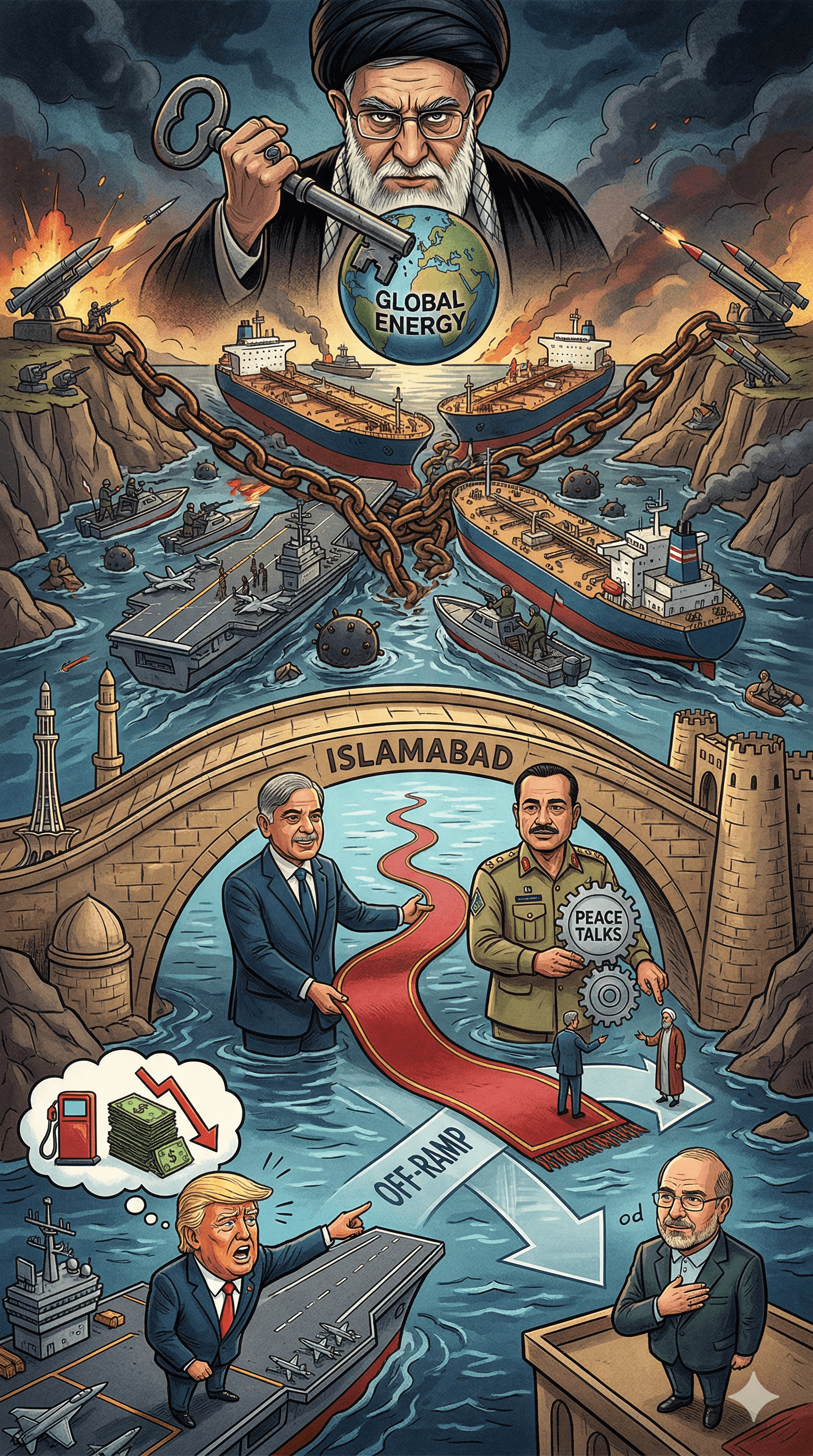
In a significant de-escalation move, US President Donald Trump recently announced a five-day pause on planned strikes targeting Iranian energy infrastructure, citing "productive conversations" about a diplomatic off-ramp. As Washington seeks to end a volatile war now in its fourth week, Islamabad has officially stepped up to host the high-stakes negotiations.
The Strait of Hormuz Crisis and Global Energy Pressure
The current conflict, which erupted in late February 2026, has quickly spiraled into one of the most severe energy security crises in modern history. At the center of the economic fallout is the Strait of Hormuz, a crucial maritime artery for global oil and gas supplies. Iran's military has effectively restricted Western shipping through this chokepoint, sending shockwaves through international markets and driving up energy prices.
The looming threat of US retaliatory strikes on Iranian power plants and oil facilities had further spooked investors. However, President Trump’s sudden ultimatum—giving Tehran a brief window to reopen the strait or face "obliteration" of its energy infrastructure—was followed by an unexpected pivot to diplomacy. The mere announcement of potential US-Iran peace talks immediately cooled the markets, bringing global oil prices down sharply to below $100 a barrel. Ensuring that the Strait of Hormuz remains secure and accessible has become the primary economic catalyst driving the international community toward a mediated settlement.
Pakistan’s Strategic Role as a Geopolitical Mediator
While countries like Turkey, Egypt, and Qatar have actively encouraged diplomatic contacts, Pakistan has strategically positioned itself as the leading venue for direct or indirect negotiations. Islamabad maintains a unique diplomatic leverage: it holds strong military and political ties with Washington, while concurrently managing a complex but functional working relationship with neighboring Iran. Since 1992, the Pakistani embassy in Washington has even housed Iran’s interests section.
On social media platform X, Pakistan Prime Minister Shehbaz Sharif publicly declared: "Subject to concurrence by the US and Iran, Pakistan stands ready and honoured to be the host to facilitate meaningful and conclusive talks for a comprehensive settlement of the ongoing conflict."
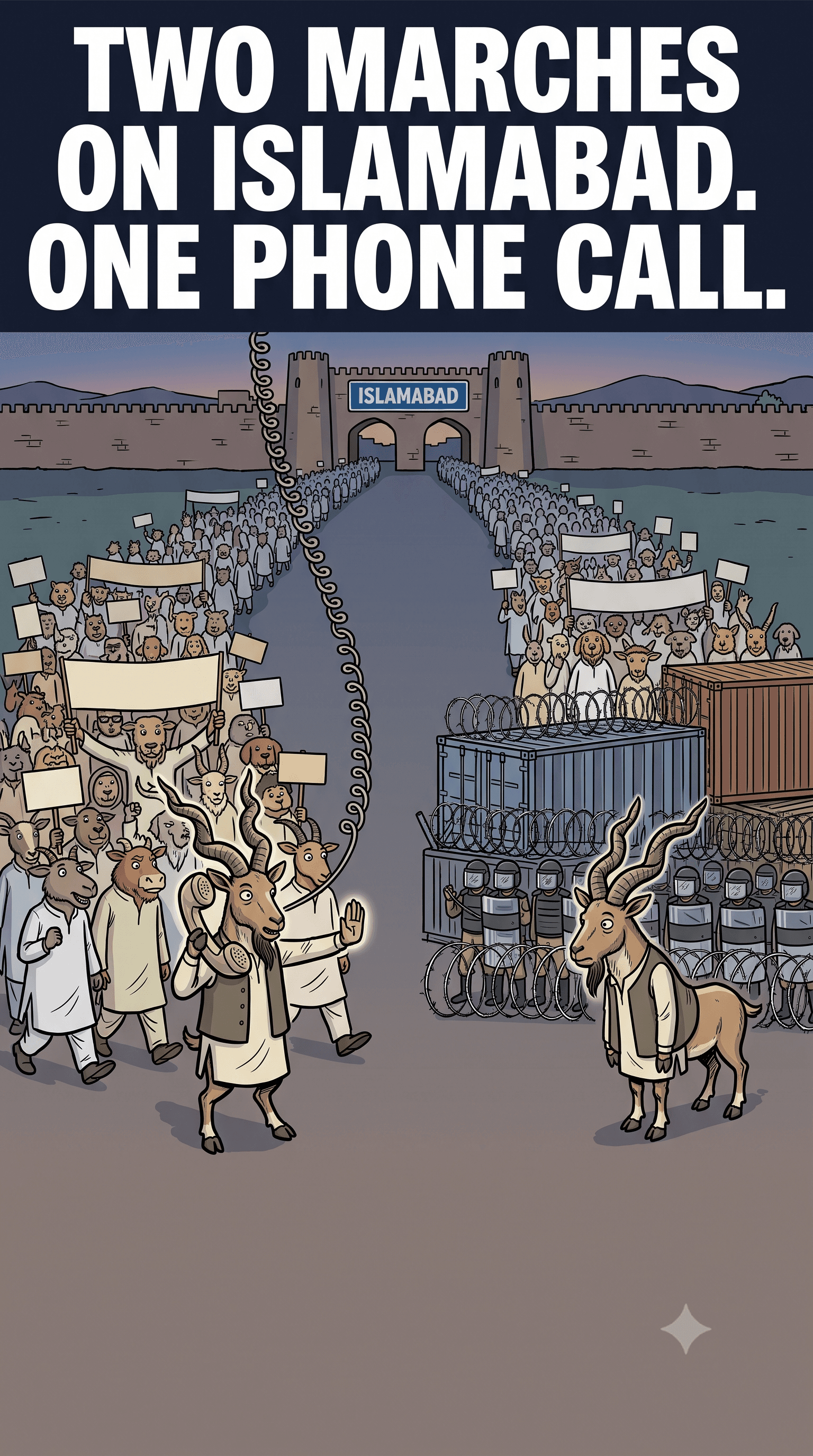
President Trump validated this effort by sharing a screenshot of Sharif’s invitation on his Truth Social platform, signaling a clear nod to Islamabad's mediation. Behind the scenes, Pakistan’s military leadership has been instrumental. Field Marshal Asim Munir, Pakistan’s army chief, reportedly held direct discussions with President Trump and key US envoys, while PM Sharif engaged in parallel telephone talks with Iranian President Masoud Pezeshkian.
Inside the Proposed 15-Point Peace Plan
As efforts to formalize the US-Iran peace talks accelerate, Washington has reportedly transmitted a comprehensive 15-point peace proposal to Tehran via Pakistani intermediaries. The core framework of the deal hinges on immediate maritime security and strict nuclear containment.
Key elements of the proposed US plan include:
Nuclear disarmament: Iran must hand over its stockpiles of highly enriched uranium and commit to halting further weapons-grade enrichment. As Trump stated from the Oval Office, "It all starts with, they cannot have a nuclear weapon."
Reopening the Strait of Hormuz: Tehran must guarantee the safe and unrestricted passage of global shipping vessels through the critical waterway.
Sanctions relief: In exchange for compliance, the US would initiate a comprehensive lifting of the crippling economic sanctions that have targeted Iran for years.
Civilian nuclear assistance: The proposal reportedly includes international assistance in developing Iran’s civil nuclear energy capabilities, specifically at the Bushehr facility.
If talks materialize in Islamabad, the US delegation is expected to feature heavy-hitters from the Trump administration. Reports indicate that US Vice President JD Vance, Secretary of State Marco Rubio, White House envoy Steve Witkoff, and Trump’s son-in-law Jared Kushner could travel to Pakistan to lead the negotiations.
Tehran’s Internal Dynamics and Cautious Response
While the Trump administration projects confidence that a deal is within reach, the situation inside Tehran remains highly volatile. Officially, Iran's Foreign Ministry has pushed back against claims that direct negotiations are imminent, and Iranian Parliament Speaker Mohammad Bagher Ghalibaf—widely speculated to be Tehran’s lead negotiator—has publicly maintained a defiant posture.
However, Iranian officials have acknowledged receiving messages through "friendly countries" indicating Washington's desire to end the war. The hesitancy to engage formally is compounded by profound internal security challenges. Early in the conflict, targeted Israeli strikes reportedly resulted in the deaths of top Iranian leaders, including Supreme Leader Ayatollah Ali Khamenei. This has created a severe power vacuum and immense security paranoia within Tehran's remaining leadership sphere, now heavily influenced by figures like Mojtaba Khamenei.
Furthermore, factions within Iran’s military and political establishment are demanding guarantees against future US interference and compensation for war damages before fully committing to the US-Iran peace talks. Trust between the warring parties is completely shattered, making the transition from a reciprocal military exchange to a formal diplomatic summit highly precarious.
Monitoring from the Sidelines: Israel and India
The potential for a US-brokered ceasefire is being closely monitored by regional allies. Israeli Prime Minister Benjamin Netanyahu has reportedly tasked close confidant Ron Dermer to scrutinize the negotiations, ensuring that Israel’s security interests—particularly regarding Iran's proxy networks and missile capabilities—are not sidelined.
Meanwhile, India, another vital player in the region, has expressed strong support for the de-escalation. Following a phone call with President Trump, Indian Prime Minister Narendra Modi reiterated that keeping the Strait of Hormuz open is "essential for the whole world" and backed the swift restoration of peace.
Outlook: Will the Diplomatic Off-Ramp Succeed?
The upcoming days are critical for the Middle East and global economic stability. Pakistan’s offer to host the US-Iran peace talks provides a vital, neutral platform for de-escalation, but the structural divide between Washington's demands and Tehran's red lines remains vast.
If the five-day truce holds and delegates arrive in Islamabad, it will mark a monumental diplomatic breakthrough, potentially concluding a devastating chapter of modern warfare. However, if talks collapse or either side miscalculates, the conflict threatens to permanently alter the region's security architecture and plunge global energy markets into unprecedented turmoil.