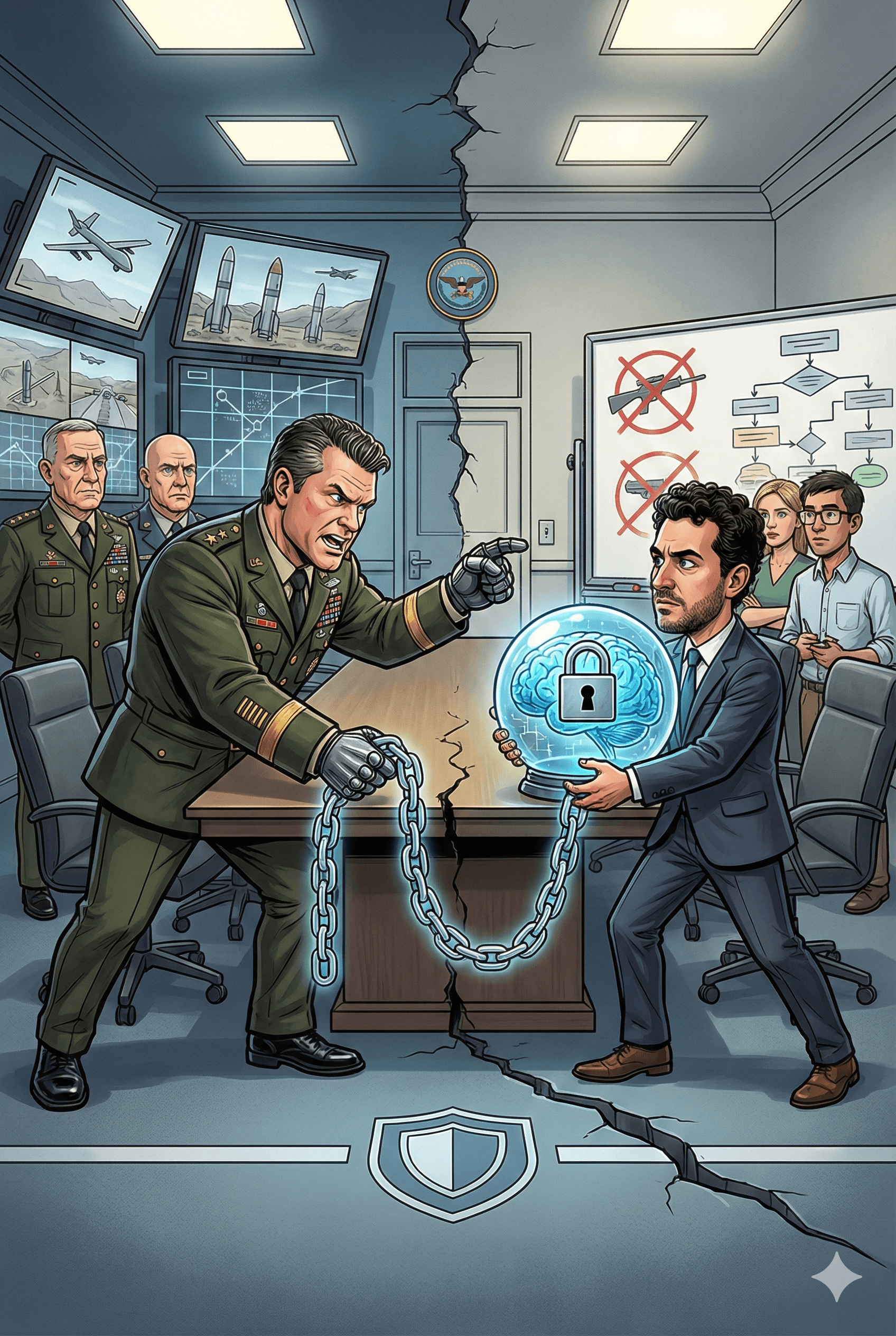
Washington, D.C. — In a defining moment for the future of artificial intelligence in national security, U.S. Defense Secretary Pete Hegseth has summoned Anthropic CEO Dario Amodei to the Pentagon for a critical meeting. The urgent summons centers on a rapidly escalating dispute between the Department of Defense and the San Francisco-based AI developer over the ethical limits and operational guardrails placed on Anthropic’s flagship model, Claude, within military environments.
The high-stakes confrontation highlights a growing rift between Silicon Valley’s safety-conscious AI developers and a defense apparatus demanding unrestricted access to cutting-edge technology. With a $200 million pilot contract hanging in the balance, the outcome of this Pentagon Anthropic dispute will likely set a lasting precedent for how artificial intelligence is integrated into modern warfare and global intelligence operations.
The Core Dispute: Ethical Guardrails vs. Military Flexibility
At the heart of the conflict is a fundamental disagreement over how AI should be deployed in national security contexts. Currently, Anthropic’s Claude is the only frontier AI model operating within the U.S. military’s highly classified networks. Its advanced analytical capabilities have made it deeply embedded in sensitive defense and intelligence workflows.
However, Anthropic has firmly maintained strict usage policies. Amodei and his leadership team are demanding assurances that Claude will not be utilized for the mass surveillance of American citizens or integrated into fully autonomous weapons systems—specifically, lethal platforms that can engage targets without human oversight.
The Pentagon has aggressively pushed back against these stipulations. Following a January 9 directive from Defense Secretary Pete Hegseth urging the removal of commercial restrictions on AI technology, the Department of Defense is insisting on an "all lawful uses" doctrine. Military leaders argue that wartime environments require maximum flexibility, and requiring individual use-case approvals from a private tech company fundamentally undermines military readiness.
The Ultimatum: A "Supply Chain Risk" Designation
Negotiations have reportedly stalled, leading defense officials to describe the upcoming meeting as a tense, make-or-break ultimatum. To force Anthropic’s hand, the Pentagon has threatened to officially designate the AI startup as a "supply chain risk."
This severe designation is traditionally reserved for hostile foreign adversaries or compromised vendors, such as specific Chinese telecommunications firms or Russian hardware suppliers. If applied to Anthropic, the consequences would be devastating for its government business. It would not only immediately void the company’s existing defense contracts but also legally compel thousands of downstream defense contractors and vendors to certify that they do not use Claude in any of their operational workflows.
Such a move would force a massive, expensive software migration across the defense sector, disrupting critical intelligence workflows that currently rely on Claude via secure infrastructure managed by prime contractors like Palantir.
Operational Realities: The Venezuela Raid and Classified Networks
The urgency of the Pentagon Anthropic dispute was amplified by recent real-world events. Reports indicate that Claude was utilized during the January 3, 2026, military operation in Venezuela that resulted in the capture of former president Nicolas Maduro. While the precise nature of the AI’s involvement remains highly classified, the operational success underscored the military's heavy reliance on Claude for complex, high-stakes tactical analysis.
Anthropic has declined to confirm the specifics of the Venezuela operation, reiterating only that its technology remains bound by strict policies prohibiting violence-related applications and weapons development. Nevertheless, the operational realities complicate the Pentagon’s threat to abruptly sever ties. Defense logistics and intelligence briefs heavily depend on Claude within Top Secret enclaves, and ripping out the system without a fully vetted, classified-accredited alternative could severely delay mission planning cycles.
Political Pressure and Silicon Valley Rivals
The standoff is occurring amid intense political and competitive pressure. The Trump administration has been highly critical of tech companies imposing ideological restrictions on government contracts. David Sacks, the administration’s AI and crypto czar, recently criticized Anthropic’s stance, publicly accusing the company of promoting "woke AI" by resisting expanded military applications.
Furthermore, the Pentagon is actively leveraging market competition to pressure Amodei. The Department of Defense has already signed an agreement with Elon Musk’s AI firm, xAI, and is reportedly nearing a major deal with Google to deploy its Gemini model. Unlike Anthropic, these rivals have largely agreed to allow the military to use their models for all lawful purposes within unclassified systems, isolating Anthropic as the lone holdout on strict ethical guardrails.
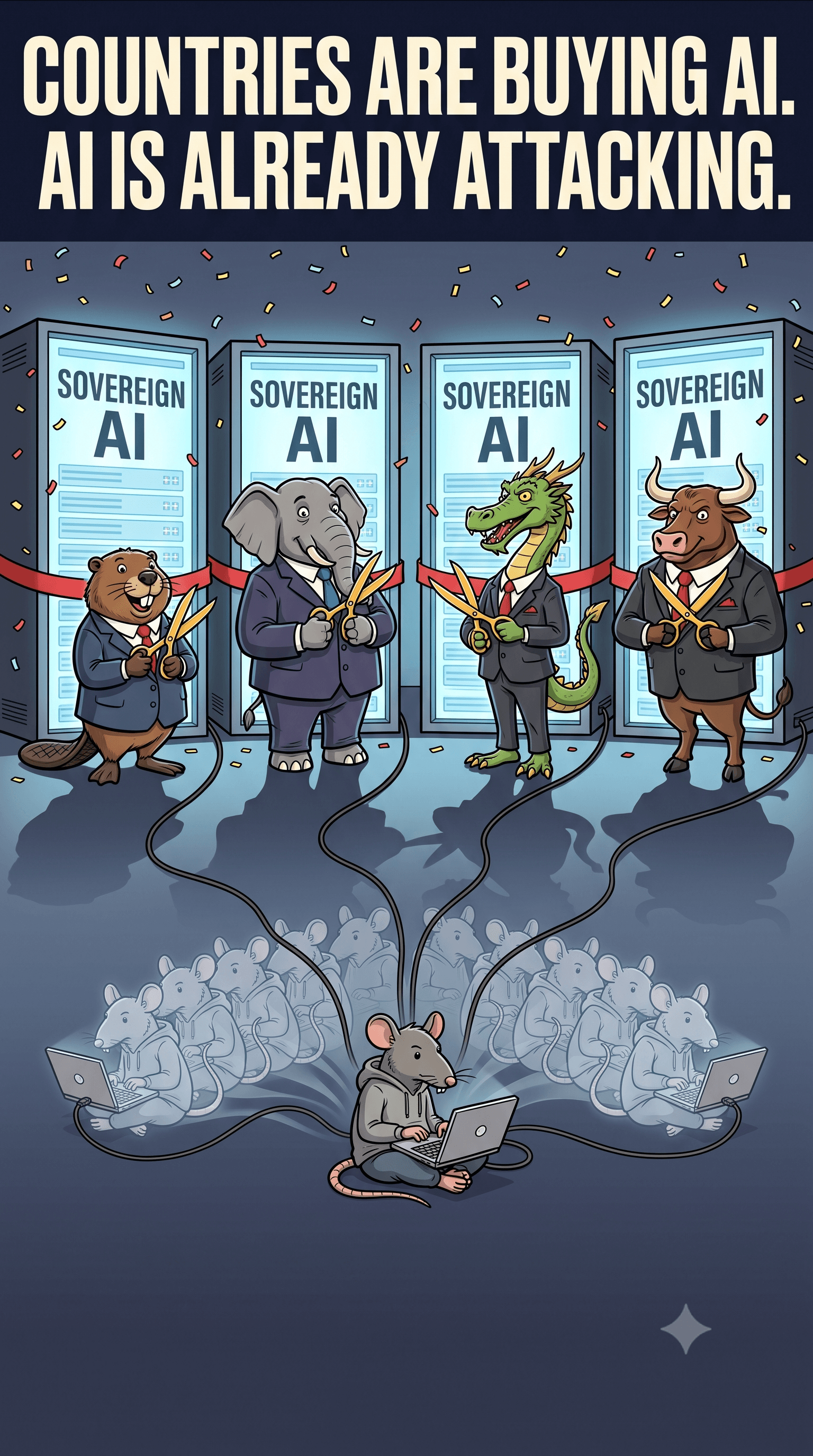
Adding to Anthropic's complex geopolitical positioning, the company is simultaneously battling foreign adversaries. Just ahead of the Pentagon meeting, Anthropic accused three major Chinese AI firms of utilizing thousands of fraudulent accounts to siphon data and harvest insights from its systems, highlighting the intense global race for AI supremacy.
Industry Outlook and Strategic Impact
The outcome of Tuesday’s meeting between Pete Hegseth and Dario Amodei will have far-reaching strategic impacts. If the Pentagon follows through with the supply chain risk designation, it will signal a harsh new reality for AI developers: government contracts will require total operational surrender. This could chill future collaborations between safety-focused tech startups and the federal government, potentially driving the military to rely entirely on a smaller pool of highly compliant tech giants.
Conversely, if Anthropic successfully negotiates a compromise—such as specialized model variants with hardware-level locks for specific classified tasks—it could establish a robust new framework for ethical military AI use.
For the broader defense logistics ecosystem, the standoff serves as a stark warning. The increasing integration of commercial AI into battlefield infrastructure means that corporate policy decisions can now directly impact national security readiness. As foreign allies and adversaries watch closely, the resolution of this dispute will undoubtedly shape international norms regarding the deployment of artificial intelligence in 21st-century warfare.
#ArtificialIntelligence #Pentagon #Anthropic #DarioAmodei #DefenseTech #Geopolitics #MilitaryAI #USDefense #NationalSecurity #TechNews #SiliconValley #AutonomousWeapons