WASHINGTON — In a potential pivot that could reshape the security architecture of the Middle East, the U.S. Department of Defense is reportedly evaluating a reduction of its military presence in the Persian Gulf. Following months of devastating strikes during the ongoing Iran war, military planners are scrutinizing the vulnerabilities of maintaining massive, fixed bases in the region.
According to a recent report by The Washington Post, the Pentagon is viewing the aftermath of the damage as a pivotal opportunity to reconsider the traditional American military footprint once hostilities conclude. Instead of simply rebuilding legacy infrastructure, officials are weighing whether the era of large, permanent encampments in the immediate vicinity of Iran has come to an end.
US Military Vulnerabilities Exposed by Persistent Iranian Strikes
The conflict, which erupted on February 28, 2026, has provided a stark stress test for American forward operating locations. For decades, the United States has normally stationed roughly 40,000 military personnel across a network of facilities in the Middle East to project power, deter aggression, and secure vital shipping lanes.
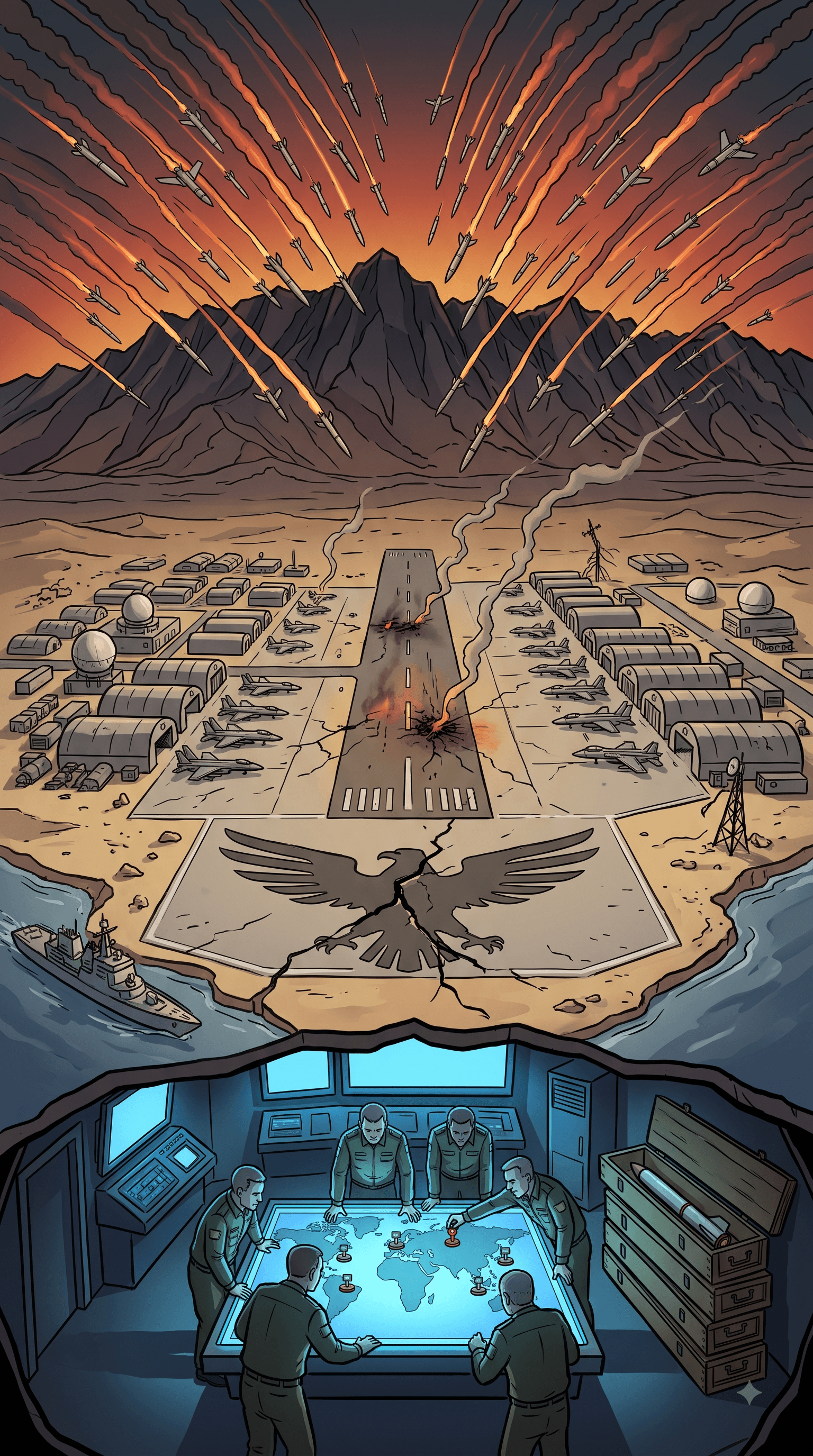
However, the war has laid bare the acute vulnerability of these large, fixed bases. Many of these installations sit within roughly 90 miles of Iranian missile and drone launch sites, giving U.S. air defense systems minimal warning time to intercept incoming barrages.
Throughout the conflict, Iranian forces have successfully struck several major American military hubs. Facilities that have sustained damage include:
Naval Support Activity Bahrain: The headquarters for the U.S. Navy’s Fifth Fleet.
Al Udeid Air Base in Qatar: A critical command center and logistics hub for U.S. Central Command (CENTCOM).
Al Dhafra Air Base in the United Arab Emirates: A key installation for fighter aircraft and reconnaissance.
Ali Al Salem Air Base in Kuwait: Vital for airlift and regional troop transit.
Prince Sultan Air Base in Saudi Arabia: A major staging ground for combat aircraft and air defense batteries.
The human toll of these sustained attacks has been severe. Since the war began, the casualty toll stands at 13 U.S. service members killed and approximately 400 wounded. The continuous bombardment has forced a reckoning within defense circles regarding the safety and viability of keeping thousands of troops densely packed in unhardened, easily targeted locations.
Strategic Review: Dispersal, Hardening, and a Westward Shift
In response to these exposed U.S. military vulnerabilities, the Pentagon's policy office and U.S. Central Command are currently examining a range of alternative posture models. While Defense Secretary Pete Hegseth has not yet ordered a formal, comprehensive review, officials characterize the ongoing assessments as "prudent planning" intended to guide future reconstruction and deployment decisions.
The options currently under consideration represent a fundamental departure from the status quo. Instead of relying on a few massive hubs, military planners are evaluating the feasibility of dispersing forces across a wider network of smaller, less conspicuous locations.
Key strategies being discussed include:
Hardening Infrastructure: Moving critical command and control centers underground to protect them from ballistic missiles and bunker-busting munitions.
Rotational Deployments: Transitioning from permanent, large-scale troop stationing to a rotational presence, which would present a less predictable and smaller target profile.
Shifting Westward: Moving core air and logistical assets further west, toward allied nations such as Jordan and Israel. Relocating assets out of the Persian Gulf would put U.S. forces out of the immediate range of Iran's short-range tactical weapons, significantly increasing the reaction time for U.S. missile defense systems.
The Financial and Strategic Costs: Munitions Depletion and the Strait of Hormuz
The urgency of this strategic review is compounded by the staggering financial and material costs of the five-month conflict. On July 21, 2026, Defense Secretary Pete Hegseth reported to Congress that the war with Iran had already cost the United States an estimated $37.5 billion.
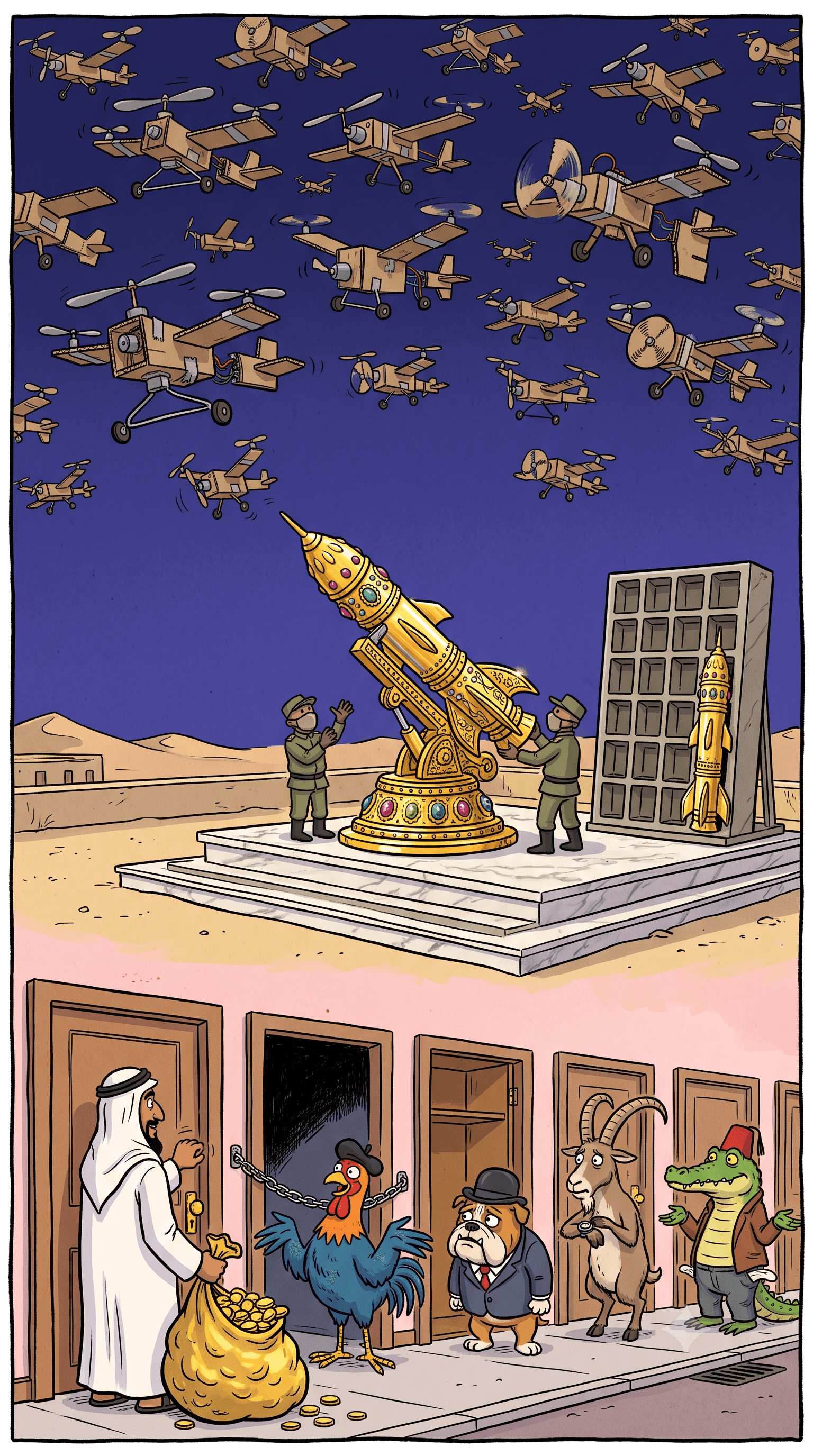
A significant portion of this expenditure has been driven by the massive deployment of expensive air defense systems required to shield bases and regional allies from incoming fire. The relentless pace of Iranian drone and missile attacks has severely depleted American munitions and interceptor stockpiles. The asymmetrical cost exchange—where the U.S. fires multi-million-dollar interceptors to down relatively cheap, mass-produced loitering munitions—has raised serious sustainability concerns among defense analysts and lawmakers.
The depletion of these critical interceptor stockpiles limits the Pentagon's ability to maintain an airtight defense over its sprawling Gulf bases indefinitely, further incentivizing a strategy of dispersal and pullback.
The Broader Debate on Deterrence Credibility
Beyond the tactical considerations of base defense, the conflict has sparked a broader strategic debate in Washington regarding American deterrence credibility.
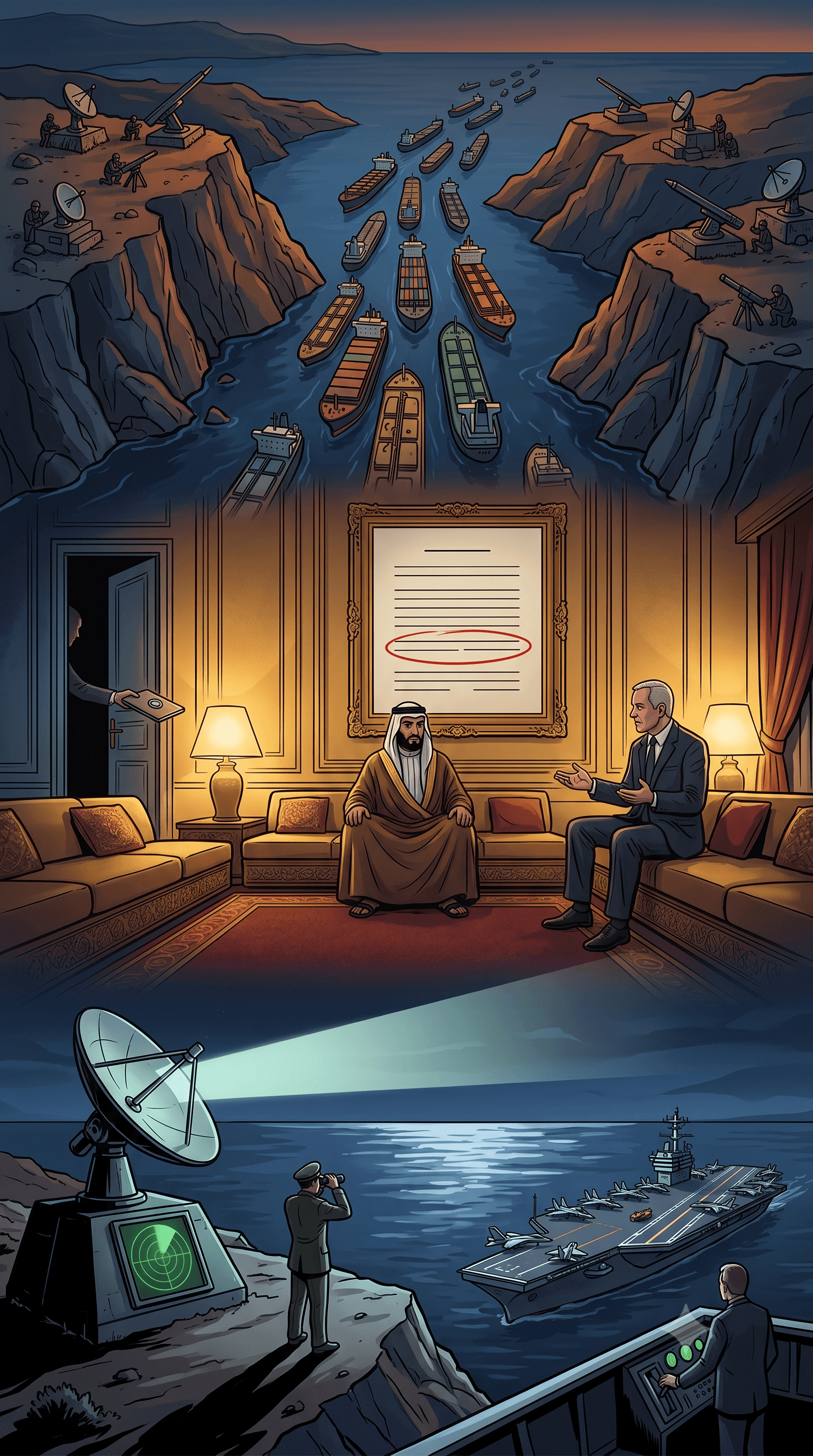
A central pillar of the U.S. military presence in the Persian Gulf has historically been to ensure the free flow of commerce, particularly through the vital Strait of Hormuz. Despite the expenditure of billions of dollars and the massive application of military force, the United States has struggled to forcefully reopen the Strait of Hormuz, which Iran successfully blocked earlier in the war.
This failure has led critics to question the efficacy of the current force posture. If 40,000 troops and some of the world's most advanced military installations cannot prevent the closure of the world's most important energy chokepoint, analysts argue that a fundamental rethinking of American regional strategy is long overdue.
Outlook and Impact
As the Pentagon weighs troop cuts in the Gulf, the long-term implications for the Middle East are profound. A reduction or westward shift of U.S. forces could alter the delicate balance of power in the region.
While moving troops to Jordan or Israel might protect American lives and preserve military assets, it could also signal a retreat to Gulf allies who have traditionally relied on the immediate proximity of U.S. hard power for their own security. As the Pentagon balances the urgent need to protect its forces from Iranian strikes with its commitment to regional stability, the eventual decisions made in Washington will likely redefine the U.S. military footprint in the Middle East for generations to come.