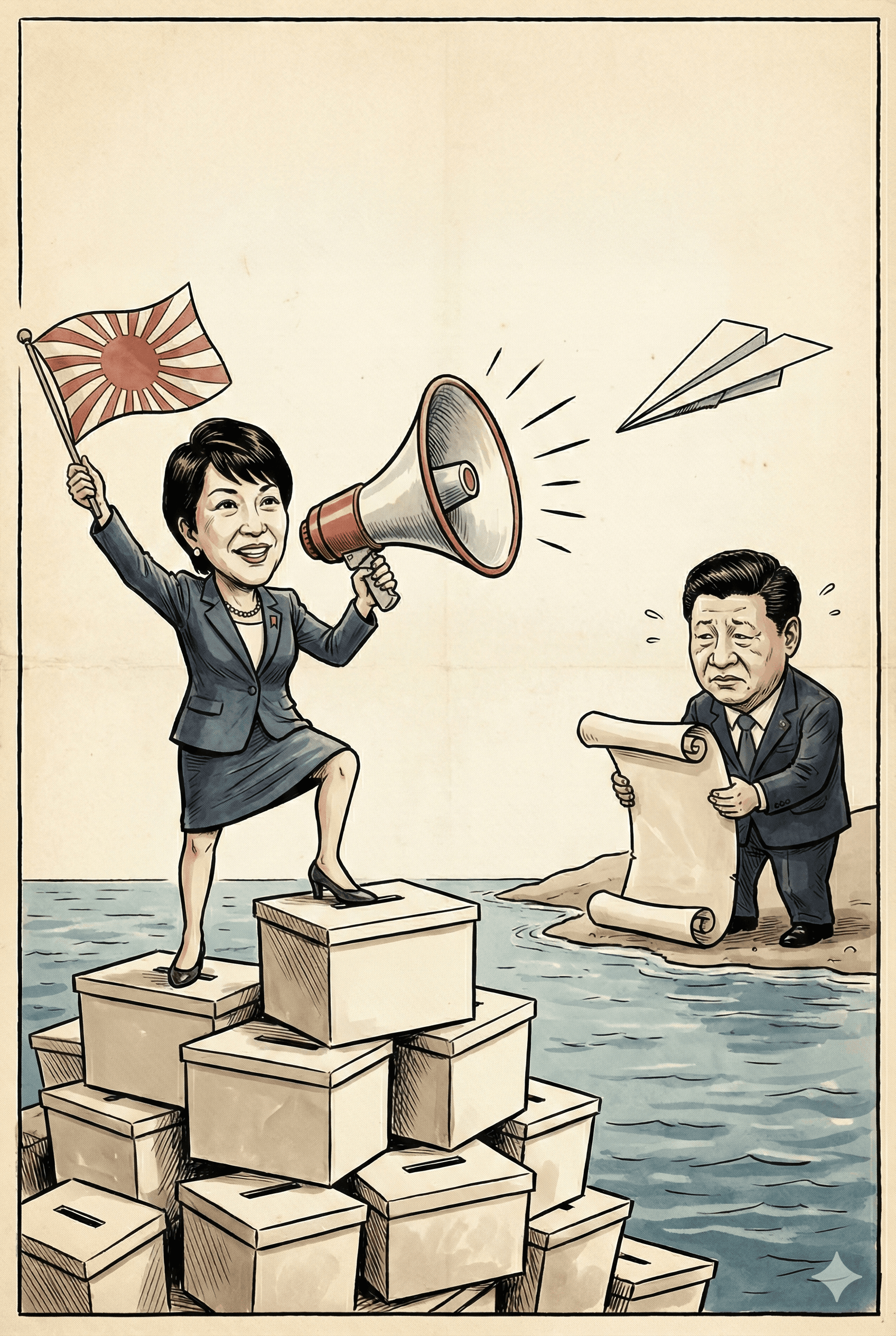
A supermajority in the Japanese Diet is a game-changer. It provides the ruling coalition with the legislative power to pass bills almost unilaterally, and crucially, it clears the path for initiating constitutional amendments. For Sanae Takaichi, a known conservative hawk with clear views on national security, this mandate is a powerful endorsement from the Japanese electorate.
Voters have effectively signaled their desire for a stronger, more assertive Japan on the world stage. Takaichi's platform, which has often emphasized bolstering Japan's defense capabilities and taking a firmer stance on regional security issues, has resonated in a climate of increasing geopolitical uncertainty. This victory is a clear rejection of the status quo and a green light for a more robust foreign policy.
The Message Delivered to Beijing
The question posed by many observers is clear: "Has Japan sent a message to China?" The answer is an unequivocal yes.
Takaichi's rise to power is being watched with deep concern in Beijing. Her past statements regarding Taiwan, her advocacy for increased defense spending, and her visits to the controversial Yasukuni Shrine have long been points of contention for Chinese leadership. A supermajority government led by Takaichi is perceived by China as a direct challenge to its regional ambitions.
The election result is a public demonstration that the Japanese public is increasingly wary of China's growing military assertiveness in the region. By electing a leader known for her tough stance on China, Japanese voters have effectively communicated that they are prepared to support policies that push back against Beijing's influence. The "paper airplane" message has landed, and its contents are causing visible consternation.
Future Implications for East Asian Security
Looking ahead, Takaichi's victory is likely to accelerate several key trends in regional geopolitics:
Constitutional Revision: The long-debated revision of Japan's pacifist Article 9 could now become a reality, allowing Japan to play a more active role in collective self-defense.
Strengthening Alliances: We can expect a doubling down on the U.S.-Japan security alliance and a deeper commitment to regional partnerships like the Quad (with the US, India, and Australia) as a counterweight to China.
Increased Tensions: Beijing is unlikely to remain passive. We can anticipate a more assertive response from China, potentially involving economic coercion, increased military posturing near Japanese territories, and sharpened diplomatic rhetoric.
Sanae Takaichi's supermajority win is a watershed moment. It marks the beginning of a new, more assertive chapter in Japanese history, one that promises to redefine the balance of power in East Asia for years to come.