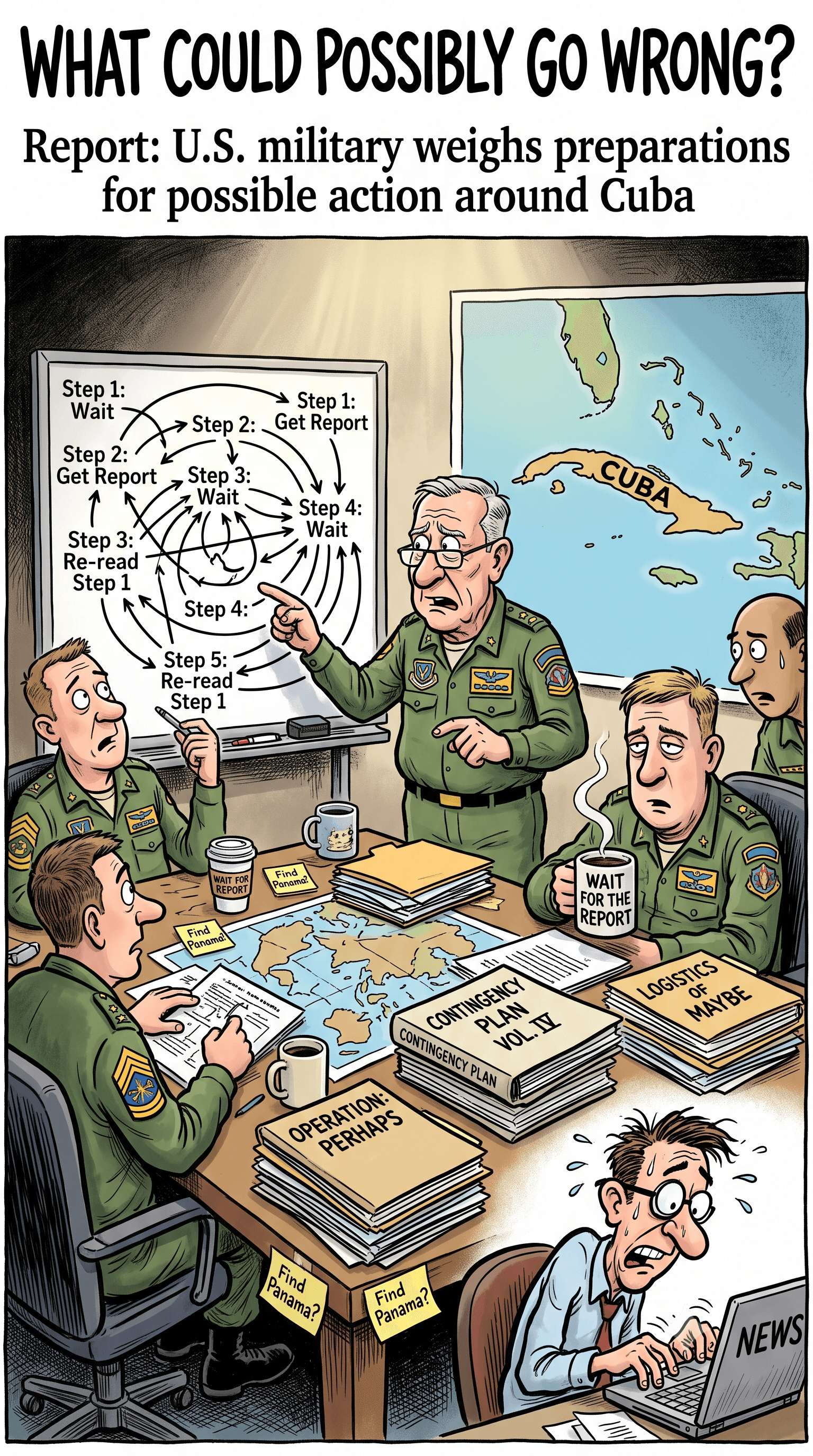
As the conflict between the United States and Iran stretches past the five-month mark, the US military is reportedly exploring unconventional avenues to break an ongoing strategic deadlock. Following months of traditional military operations that have yet to secure Washington's primary geopolitical objectives, senior officials at the US Central Command (CENTCOM) have actively solicited their intelligence analysts for new, out-of-the-box proposals.
This shift in military strategy coincides with a complex diplomatic pivot from the Trump administration, which has recently oscillated between threatening massive airstrikes and engaging in indirect diplomatic negotiations. For global observers, the evolving situation highlights the deep political, economic, and military complexities of the current Middle East conflict.
The Unconventional 'Crowdsourcing' Initiative
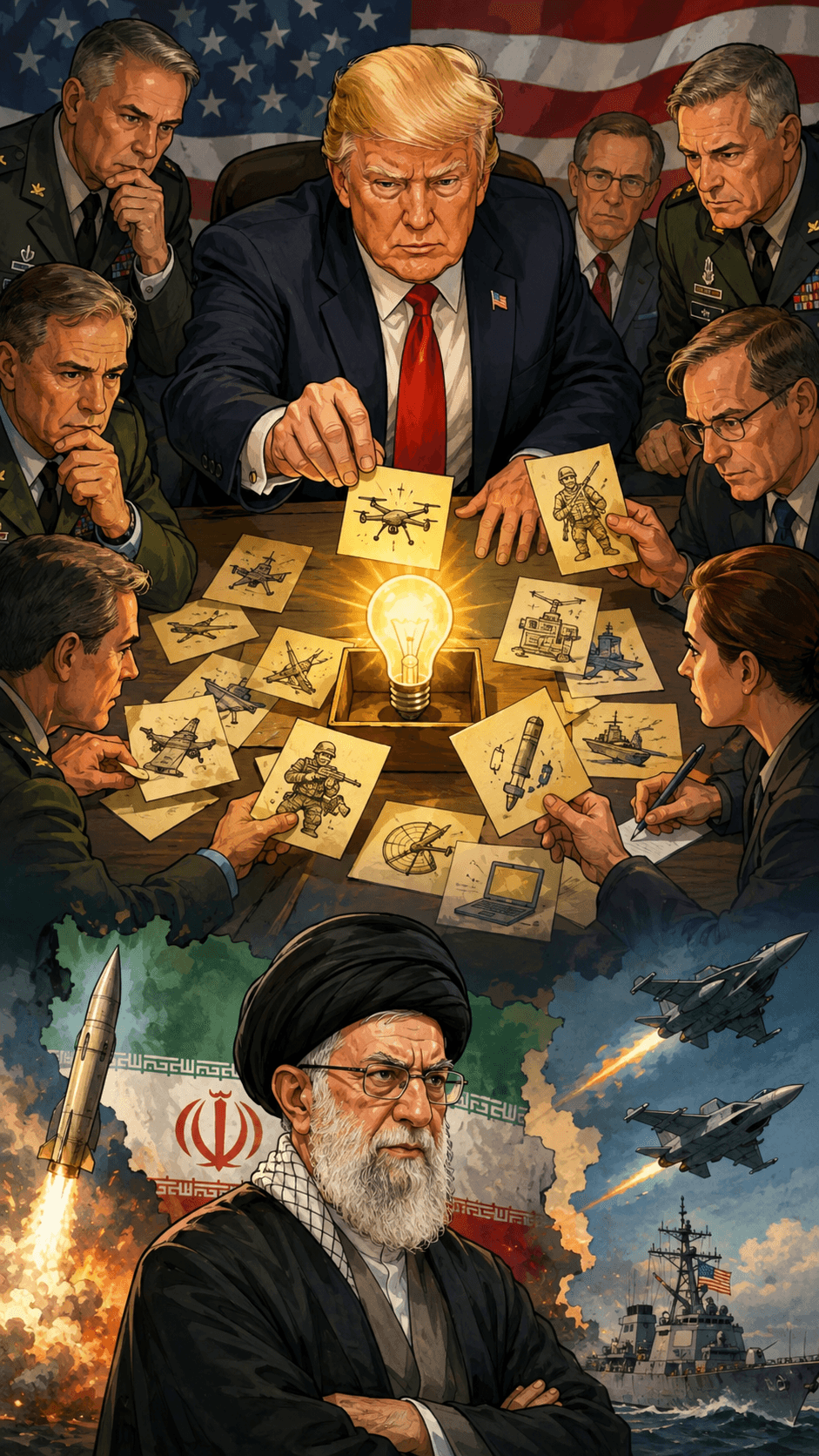
Late last month, a senior officer operating within the intelligence directorate of CENTCOM distributed a broad email to numerous military analysts. According to sources familiar with the message, the email explicitly requested "new creative and unconventional ways to pressure and punish Iran".
Military experts and defense officials note that this "crowdsourcing-style" approach is highly unusual for formal military communications. It reflects a growing recognition within the Pentagon that conventional tactics are facing diminishing returns.
CENTCOM has publicly defended the internal brainstorming exercise. Capt. Tim Hawkins, a spokesperson for the command, confirmed the initiative's underlying philosophy, stating that CENTCOM has "a long history of thinking and working in innovative ways". Hawkins emphasized that leadership, particularly Navy Adm. Brad Cooper, routinely seeks input from personnel across the organization, regardless of rank, to maximize operational effectiveness.
Stalled Military Operations and Strategic Reassessments
The context surrounding this request is rooted in the protracted nature of the current conflict. The US launched military operations against Iran in late February 2026, with early expectations from Trump administration officials that Tehran could be subdued within a matter of weeks. However, over five months later, the campaign has failed to yield a decisive breakthrough.
Planners within the US military have grappled with the limitations of their current approach. Despite weeks of extensive airstrikes, intelligence assessments from both the CIA and the Defense Intelligence Agency suggest that the ongoing bombing campaign is unlikely to significantly shift Tehran's negotiating posture.
While military strategists have evaluated proposals ranging from renewed strikes on nuclear facilities to broader bombing campaigns targeting missile infrastructure, officials recognize the severe risks involved. Deeply buried nuclear sites are resistant to standard aerial bombardment, and deploying US ground forces would carry immense political and military consequences. Chairman of the Joint Chiefs of Staff Gen. Dan Caine has publicly acknowledged that "air power has its limits," further underscoring the necessity for alternative strategies.
Diplomatic Openings and Regional Stakeholders
While the US military searches for alternative pressure points, the political landscape has experienced sudden shifts. President Donald Trump recently paused a planned "massive attack" on Iranian targets. This de-escalation occurred following urgent interventions from key regional stakeholders, including Saudi Arabia, the United Arab Emirates, and Qatar, who fear a wider regional conflagration.
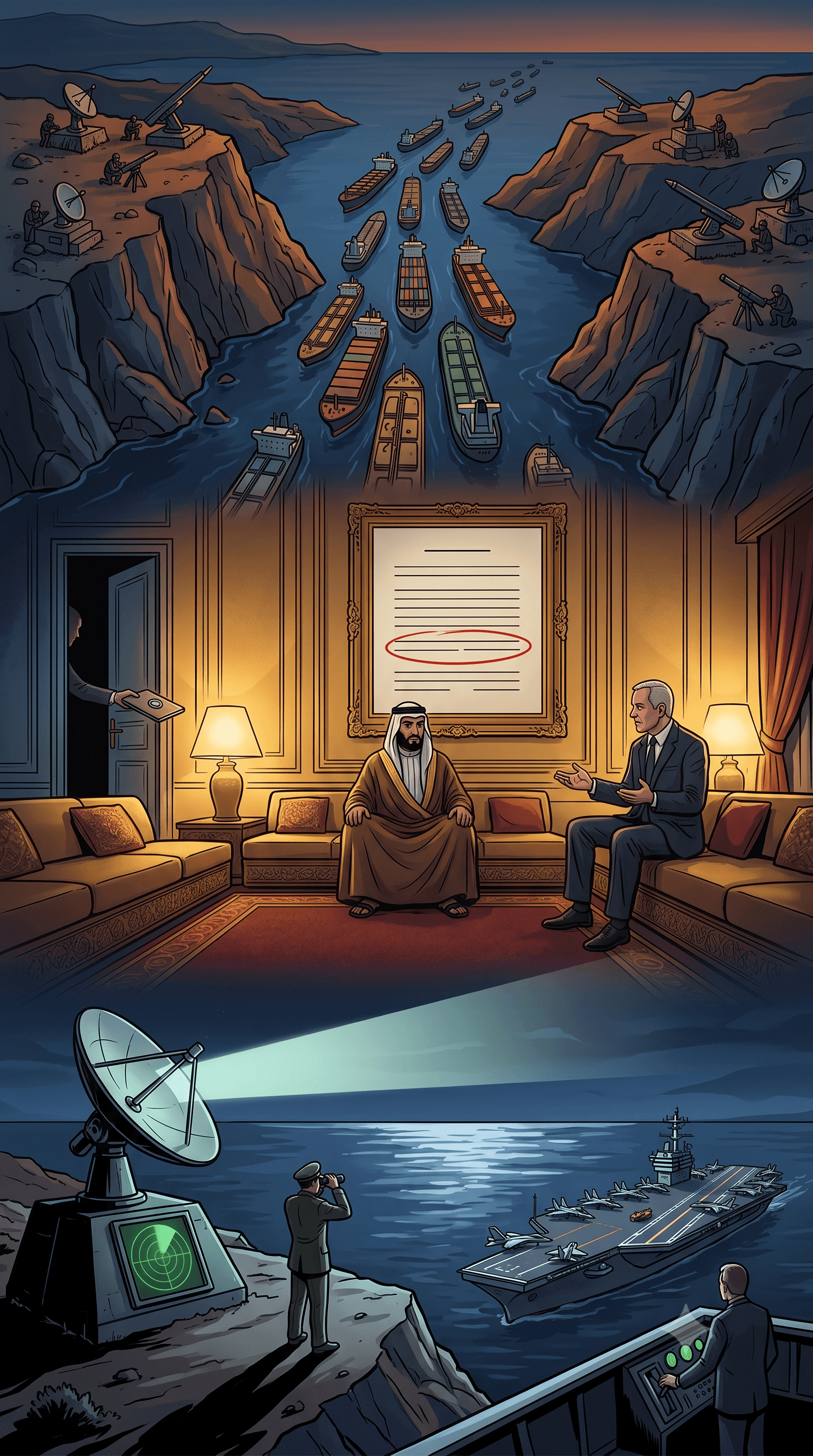
Following this tactical pause, President Trump announced aboard Air Force One that indirect negotiations with Tehran would commence, heavily focusing on the "denuclearisation of Iran". The president also claimed that a foundational agreement regarding the management of the Strait of Hormuz was "imminent".
However, Tehran's response has been far more guarded, highlighting a significant gap in diplomatic messaging. Iranian Foreign Minister Abbas Araghchi stopped well short of confirming Trump's optimistic characterizations. Instead, Araghchi framed the ongoing discussions with Oman—who frequently acts as a regional mediator—as strictly bilateral. Furthermore, Iranian officials have adamantly warned that any future maritime arrangements in the Strait of Hormuz must respect Iran's sovereign rights, explicitly stating that the strategic waterway will not simply revert to the pre-war status quo.
Economic Context: Market Reactions to De-escalation
The geopolitical volatility has naturally sent ripples through global energy markets. The Strait of Hormuz is one of the world's most critical maritime chokepoints for oil transit, and any disruption or stabilization heavily impacts the global economy.
Following President Trump's decision to suspend the planned airstrikes and the subsequent hints at renewed diplomacy, financial markets reacted positively. Oil prices immediately fell by more than $4 a barrel, signaling market relief over the temporary de-escalation. However, as the US military continues to weigh its options and solicit "creative" ways to punish Tehran, long-term market stability remains highly sensitive to potential flare-ups.
Impact and Outlook
The CENTCOM email soliciting unconventional ideas serves as a clear indicator that the US military is at a strategic crossroads. As the Trump administration juggles the "opportunity costs" of continued strikes against the political imperative of securing a favorable deal, the coming weeks will be critical.
If the indirect diplomatic talks facilitated by nations like Oman, Qatar, and Pakistan gain traction, the necessity for a revamped military campaign may subside. Conversely, if diplomacy stalls and Tehran refuses to meet Washington's terms, the US military's newly crowdsourced strategies may soon transition from internal brainstorming to active deployment. For now, the global community watches closely as both nations navigate the precarious line between total war and reluctant diplomacy.