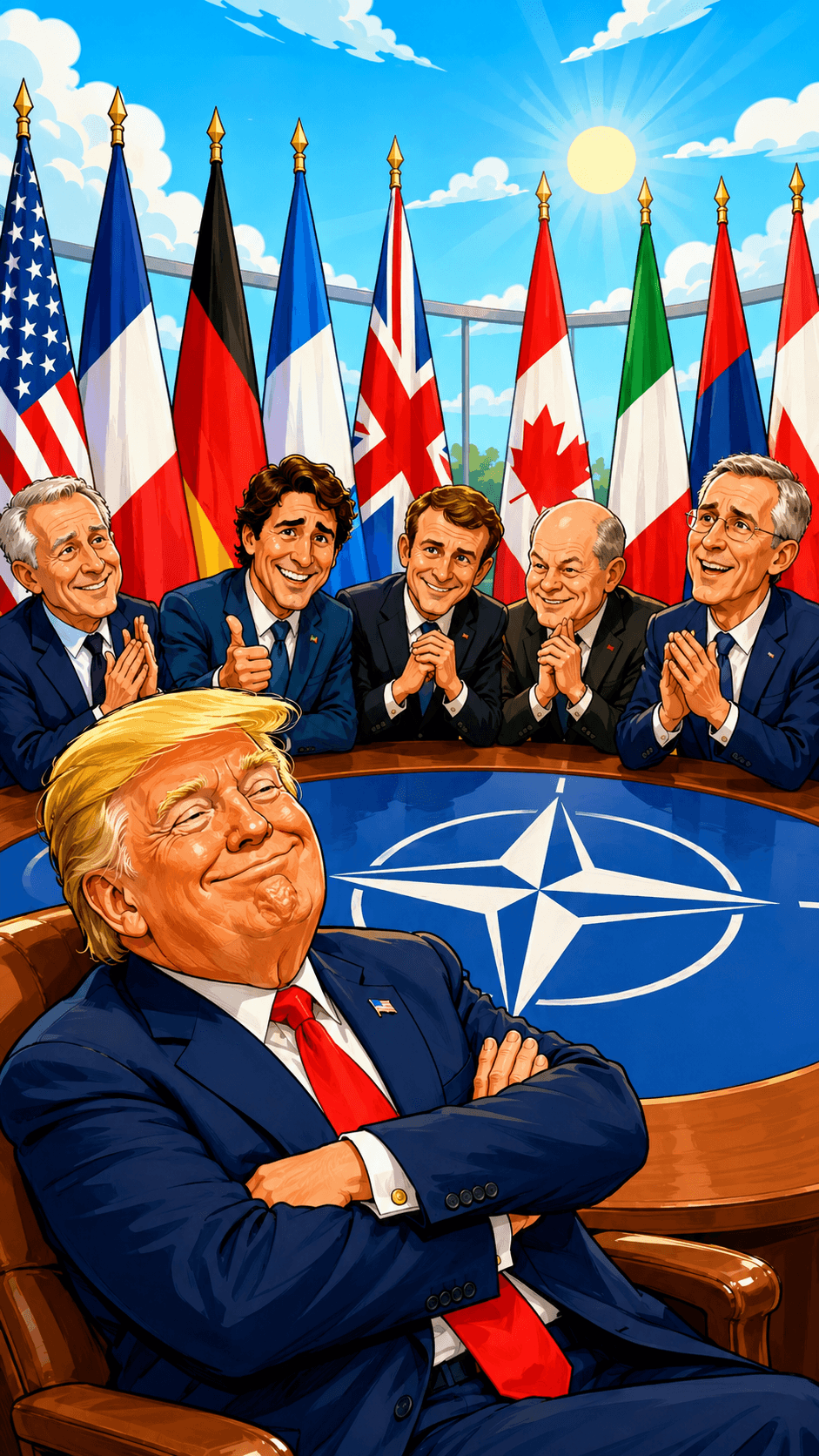
The 2026 NATO Summit in Ankara concluded in July with familiar, carefully worded declarations of unity, but beneath the diplomatic veneer, the gathering served as a stark lesson in how the global geopolitical landscape has shifted around U.S. President Donald Trump. The 77-year-old defense alliance survived another tense, high-stakes meeting, yet the transatlantic dynamics have fundamentally transformed. Washington’s approach to its historic partners has become overtly transactional, treating the alliance less as a brotherhood of shared values and more as a conditional business partnership. In response, European nations are quietly recalculating their dependencies, signaling a broader pivot toward strategic autonomy as they navigate a deeply unpredictable United States.
The Transactional Transformation: Welcome to "NATO 3.0"
At the heart of the shifting transatlantic relationship is the relentless American pressure for increased military spending. During the Ankara summit, President Trump renewed his aggressive demand that NATO members dedicate an unprecedented 5 percent of their Gross Domestic Product (GDP) to defense and security.
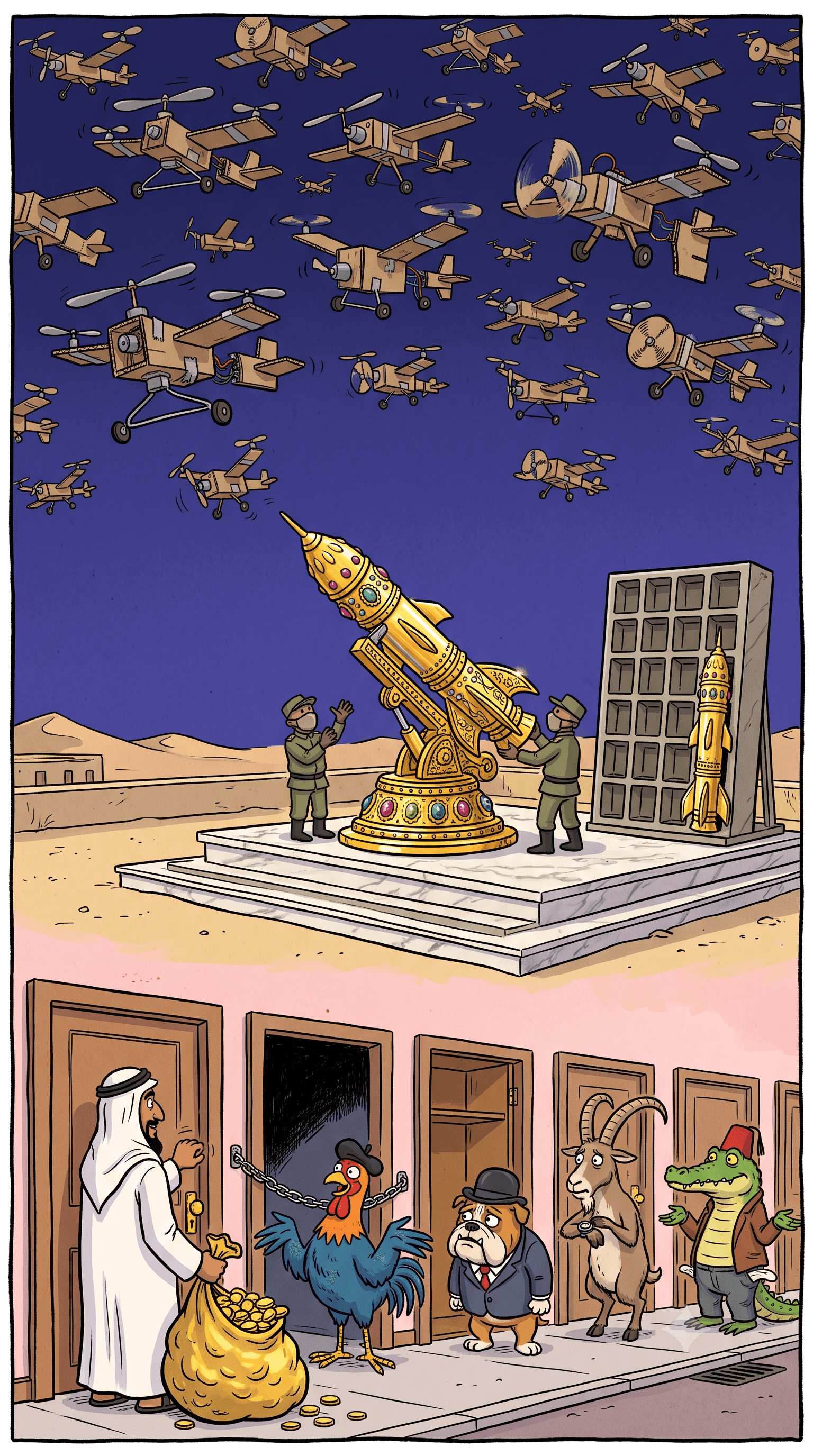
While previous administrations emphasized burden-sharing primarily to strengthen collective security, the current White House—touting what it calls "NATO 3.0"—has explicitly linked this spending surge to American economic interests. Trump made it clear to reporters that the primary beneficiaries of Europe's accelerated military buildup should be U.S. defense contractors. Boasting of a “Trump Trillion” in new allied defense spending, the administration highlighted massive procurement deals for American-made missile systems, aircraft, and munitions.
For European governments, this presents a severe political dilemma. Balancing massive weapons purchases against domestic priorities like healthcare, infrastructure, and education has sparked anti-NATO demonstrations in cities from Istanbul to Amsterdam. Furthermore, the explicit demand that European defense funds flow directly into the U.S. industrial base has deeply frustrated European leaders who are simultaneously trying to strengthen their own domestic defense industries to achieve true security independence.
Fractures Over Iran and the Limits of Alliance
The shifting geopolitical landscape was most visible in the stark division over the escalating conflict between the United States and Iran. Following the collapse of a fragile U.S.-Iran ceasefire in June and renewed American strikes on Iranian targets, Trump expected unwavering backing from NATO allies. Instead, he faced a wall of resistance.
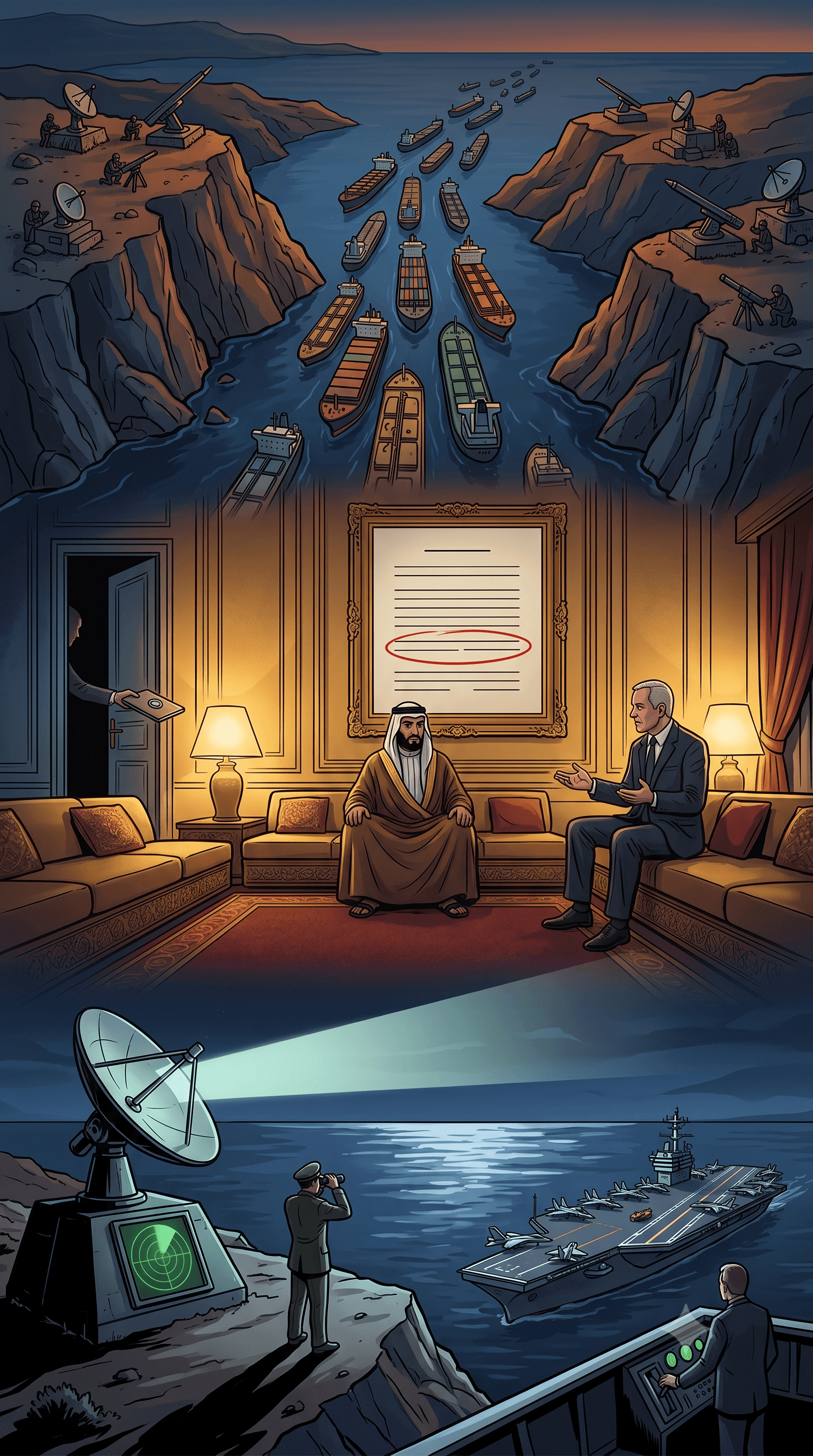
European powers, including key allies like Spain, Italy, Germany, and France, largely refused to participate in U.S.-led operations outside the formal NATO Article 5 collective defense framework. Several allied nations even denied the U.S. military the use of their airspace and territorial bases for missions directed at the Middle East.
This unified refusal highlights a critical evolution in the alliance: Europe is no longer willing to automatically align with Washington’s unilateral military endeavors, particularly when they carry heavy political and economic risks. Trump responded with public berating and unprecedented threats, at one point threatening to cut off bilateral trade with Spain over its refusal to comply. This aggressive use of economic leverage against a treaty ally further underscored how transactional the relationship has become.
The Arctic Vacuum and the Greenland Distraction
The geopolitical tectonic plates are also shifting in the High North. The Ankara summit was further complicated by Trump’s renewed, controversial assertions that the United States should take control of Greenland, an autonomous territory of Denmark. While widely dismissed by European intelligence officials and diplomats as an absurd distraction, the remarks highlight a serious underlying issue: the fierce strategic competition in the Arctic.
As Washington focuses heavily on burden-shifting and transactional diplomacy, European nations are recognizing the urgent need to secure their own backyards. In a historic move finalized around the time of the Ankara summit, a 12-nation European coalition launched a permanent, combat-ready naval mission in the Arctic and North Atlantic. This deployment aims to counter surging Russian regional dominance and plug the dangerous security vacuum left by a less engaged U.S. military, proving that Europe is increasingly willing to act autonomously when American commitments contract.
Europe’s Push for Strategic Autonomy
The cumulative effect of these tensions is a Europe that is accelerating its pursuit of strategic autonomy. Analysts note that while Europe remains dependent on the United States for its nuclear umbrella, intelligence sharing, and high-end military assets in the short term, the foundation of the alliance is cracking.
The relationship is rapidly evolving into a model based on interest exchange rather than an unbreakable pact. The unpredictability of the U.S. administration has forced European capitals to focus on their own defense capabilities and regional alliances. Although the summit ended with Trump praising the alliance's "unity" and NATO officially reaffirming its unwavering support for Ukraine, the underlying reality is that the geopolitical center of gravity is fragmenting.
Outlook: A Business Partnership Rather Than a Brotherhood
The 2026 NATO Summit was indeed a profound lesson in adaptation. The geopolitical landscape has definitively shifted around Donald Trump, characterized by a U.S. administration that leverages security guarantees for economic gain, and a European continent slowly awakening to the necessity of self-reliance. As long as Washington views its allies primarily through the lens of defense sales, trade leverage, and transactional loyalty, the transatlantic bond will remain fragile. NATO has survived this latest stress test, but the alliance of tomorrow is already functioning much differently than the one established eight decades ago.