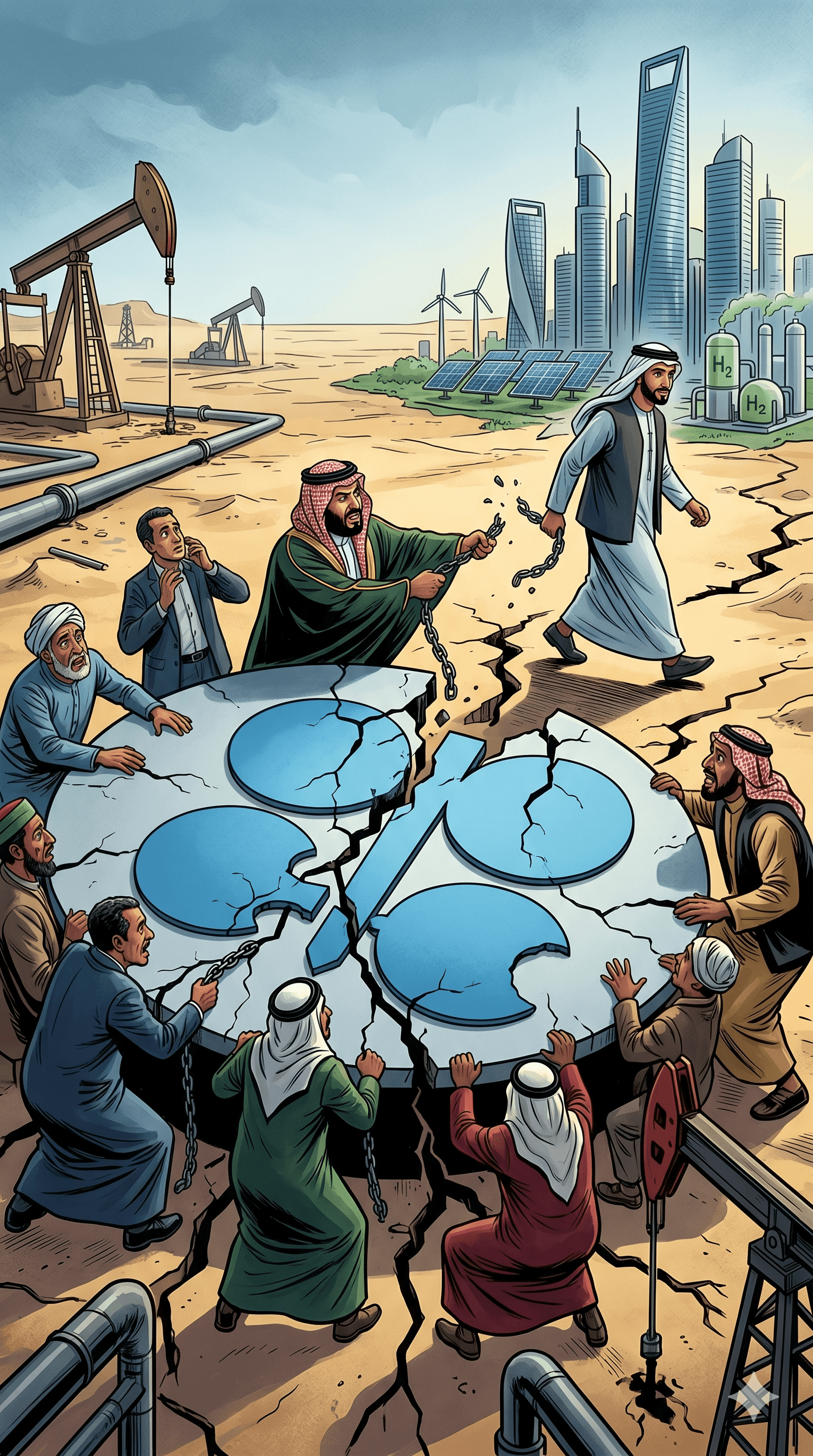
For nearly six decades, the Organization of the Petroleum Exporting Countries held together one of the most consequential economic alliances in modern history. Built on the simple but powerful idea that sovereign oil producers could collectively manage global supply — and therefore price — OPEC survived embargoes, wars, price crashes, and the rise of American shale. What it may not survive is the quiet, deliberate departure of one of its most powerful members.
On April 28, 2026, the UAE announced its exit from OPEC, effective May 1 — ending a 59-year institutional relationship and delivering what analysts are calling the biggest schism in the organisation since its founding in 1960. The move was not a surprise to those who had been watching Abu Dhabi's frustrations build for years. But its timing, in the middle of the Iran war and a global energy crisis, made it explosive.
Why Now? The Three Forces Behind the Exit
Abu Dhabi's departure was not a reaction to a single grievance but the convergence of three forces: the Iran war, a deepening rivalry with Saudi Arabia, and a strategic realignment with Washington that had been years in the making.
The first force is ambition. The UAE's exit from OPEC caps years of frustration with a group that has proven unable to accommodate the ambitions of the world's seventh-largest oil producer. Abu Dhabi boosted capacity to 4.85 million barrels per day and targets 5 million barrels per day by 2027 — a timeline brought forward from 2030. As part of OPEC+, the UAE was limited to a quota of 3.4 million barrels per day, meaning it was pumping close to 30 percent below what it was actually capable of producing. That is an enormous amount of revenue left on the table.
The second force is geopolitics. The U.S.-Israel war on Iran made the UAE a front-line state in ways it did not fully expect. Iran justified targeting Emirati territory by citing Abu Dhabi's decades-long strategic alignment with Washington. Iranian strikes hit Fujairah's industrial zone, rattled Jebel Ali's port, and sent smoke over Dubai's skyline — and the UAE absorbed this punishment largely alone. Remaining inside an institution co-anchored by Saudi Arabia, a rival with misaligned interests, made less and less sense.
The third force is the market itself. The Iran conflict produced an energy shock of historic proportions. OPEC's total output collapsed by 27 percent to 20.79 million barrels per day in March, with the supply contraction of 7.88 million barrels per day in a single month surpassing even the 1973 oil embargo and the 1991 Gulf War. In that environment, a country with spare capacity is holding a golden ticket — and OPEC's quota system would have prevented the UAE from cashing it in.
What This Means for OPEC
The UAE's exit is momentous — undoubtedly the biggest schism in the organisation since it was founded in 1960. The UAE, a member since 1967, has risen by developing its vast resources to become OPEC's second-largest producer by liquids capacity today.
Alongside Saudi Arabia, the UAE is one of the few OPEC members with meaningful spare capacity — the kind that allows the organisation to respond to supply shocks. Lose that, and OPEC's ability to credibly claim it manages global supply changes fundamentally. The cartel becomes ever more dependent on Riyadh, with less flexibility and less credibility.
Analysts at Saxo Bank said the UAE had "seized the opportunity to exit OPEC, removing the production quota straitjacket that for years frustrated the oil-rich nation," adding that the move raises serious questions about OPEC's ability to manage markets if producers begin prioritising market share over collective discipline.
The Short vs. Long Game
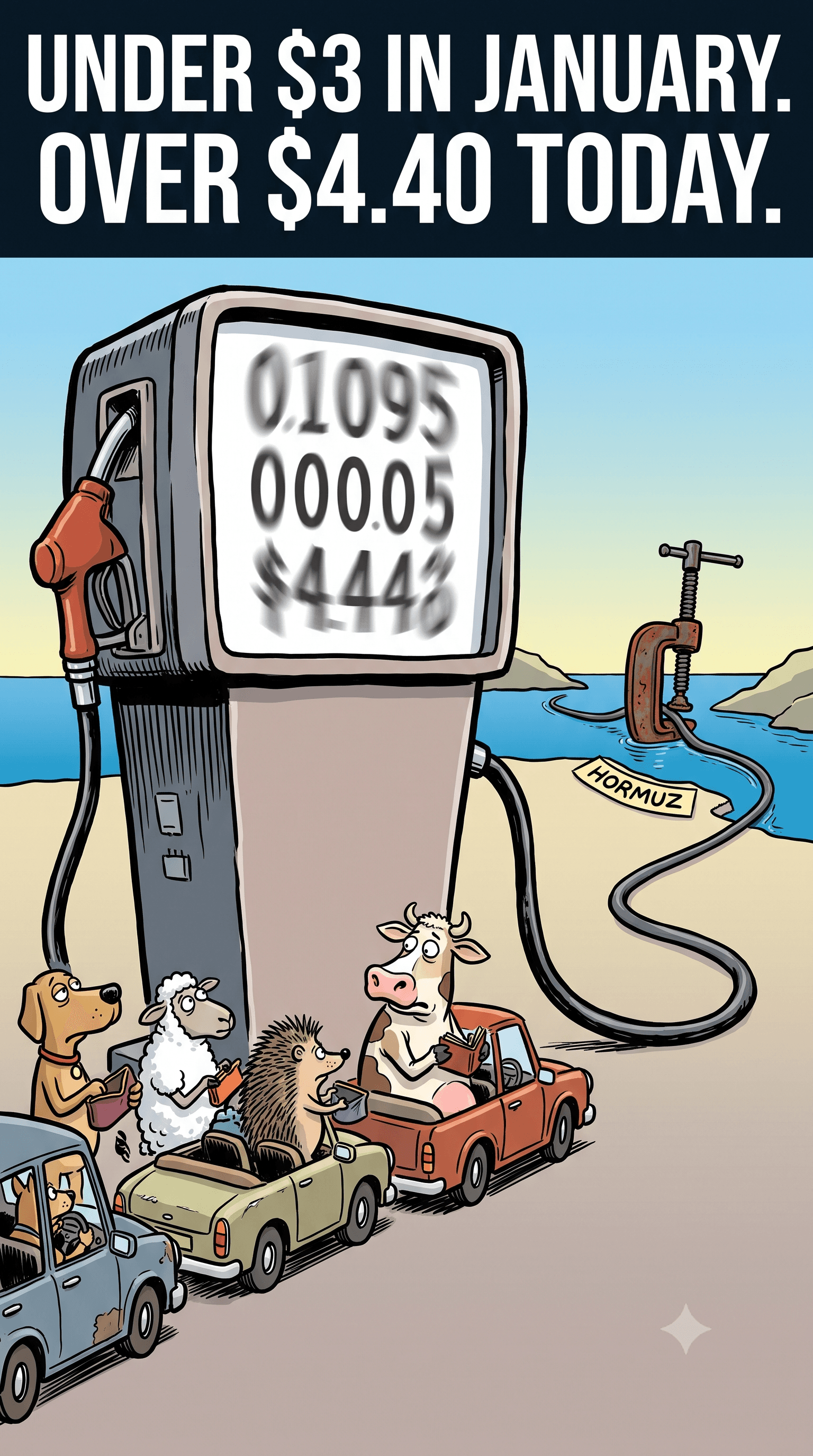
Most analysts expect little immediate effect on prices, as global supply remains constrained by the Iran conflict and the closure of the Strait of Hormuz, a key transit route for around one-fifth of global oil flows. With close to 2 million barrels per day of offshore production currently shut in, the UAE's ability to increase supply in 2026 is restricted regardless of policy changes. A return to pre-conflict production levels may take up to six months after Hormuz reopens.
But the long game is where this decision hits hard. With a stated production ambition of reaching up to 5 million barrels per day by 2027 from a pre-conflict baseline of approximately 3.6 million, the scale of Abu Dhabi's intended output expansion is simply incompatible with cartel quota discipline. Once the Hormuz crisis resolves, the UAE will be free to flood markets — on its own terms.
Is This the Beginning of the End for OPEC?
The UAE is the third member in seven years to walk out. With looming peak oil demand and OPEC's dwindling share of global production, it is unlikely to be the last.
The inevitable complications that will arise from the loss of a major member should not be treated as a sign of the group's near-term decline — the obituary of OPEC has been written prematurely before. But there is no denying the structural pressure. Nigeria faces quota-versus-capacity tensions of its own. Iraq's compliance has long been patchy. If even one more major producer follows Abu Dhabi out the door, the cartel's ability to function as a coherent pricing bloc becomes genuinely questionable.
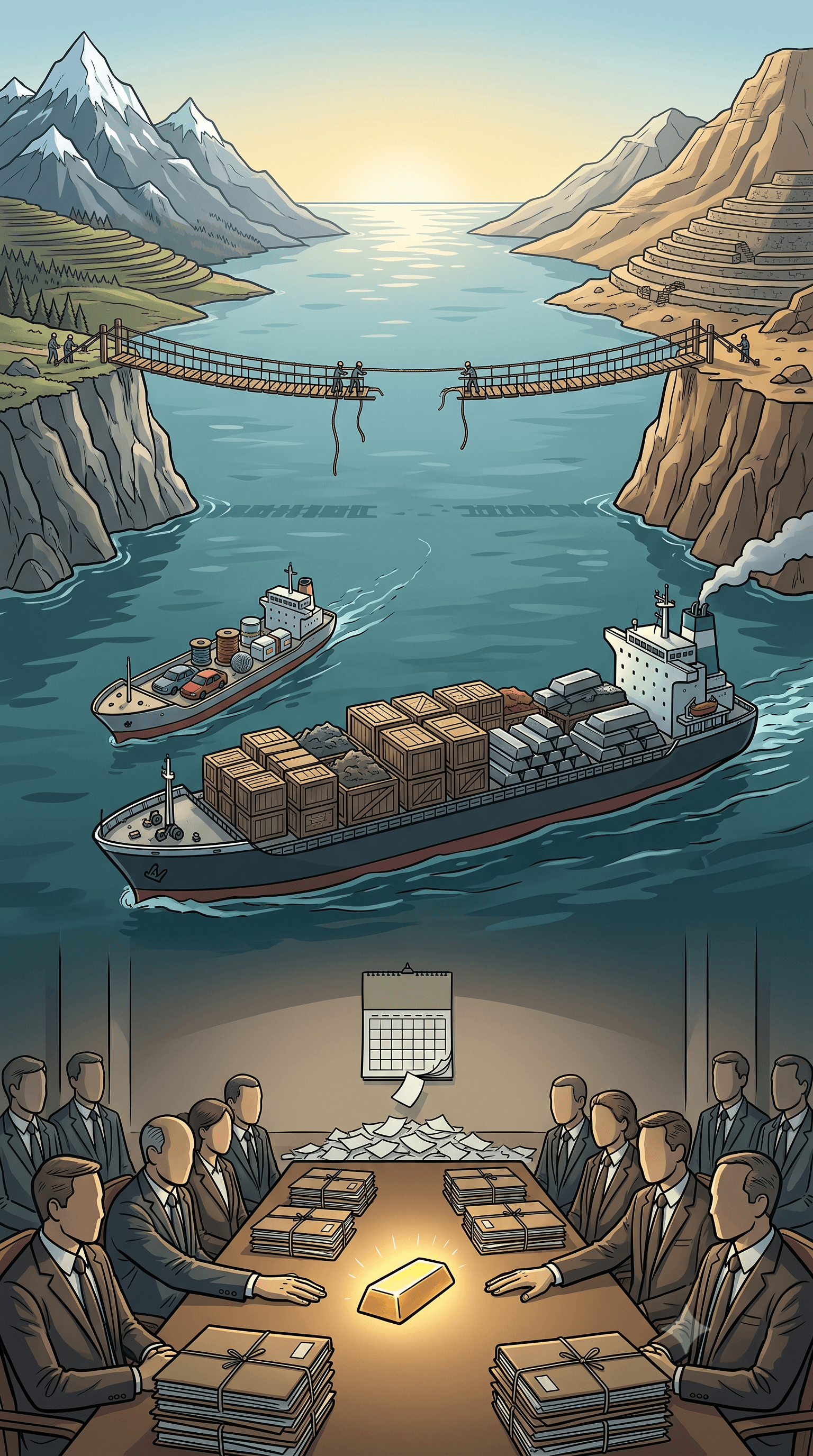
For now, oil markets are watching two clocks simultaneously: one counting down to when Hormuz reopens, and another tracking when Abu Dhabi's newly unchained barrels begin arriving on global markets. When both clocks strike at the same moment, the world will feel it at the pump — and OPEC will feel it in its relevance.
The UAE's exit is not the death of OPEC. But it is the loudest signal yet that the old rules of the oil game are being rewritten — one departing member at a time.