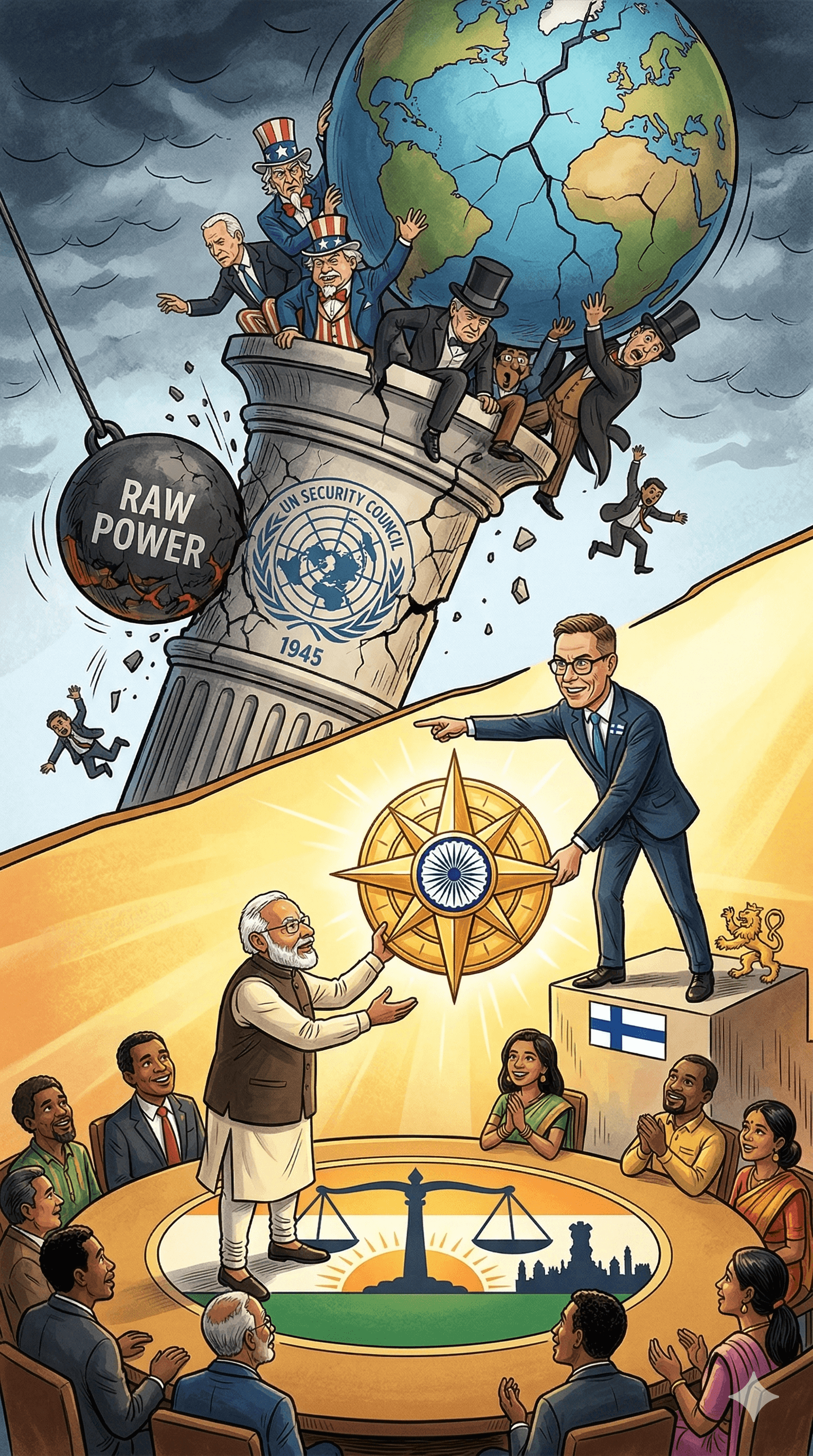
In a striking acknowledgement of shifting global power dynamics, Finnish President Alexander Stubb has boldly declared that the “era of a Western-dominated world is over.” Speaking in New Delhi during a four-day state visit to India in March 2026, Stubb asserted that the Global South, spearheaded by India, will play the decisive role in shaping the architecture of the next international world order.
Addressing policymakers, diplomats, and strategic experts as the chief guest at the 11th edition of the Raisina Dialogue—India’s premier geopolitical and geoeconomic conference—Stubb delivered a pragmatic reality check to Western nations. His keynote address outlined a transition away from post-World War II power structures and called for an urgent reform of global institutions to reflect contemporary realities.
A Geopolitical Shift at the Raisina Dialogue 2026
The Raisina Dialogue 2026, inaugurated by Indian Prime Minister Narendra Modi, served as the platform for Stubb’s comprehensive analysis of the current global transition. Highlighting India’s robust economic momentum and demographic dividend, the Finnish leader proclaimed that “the future is Indian.”
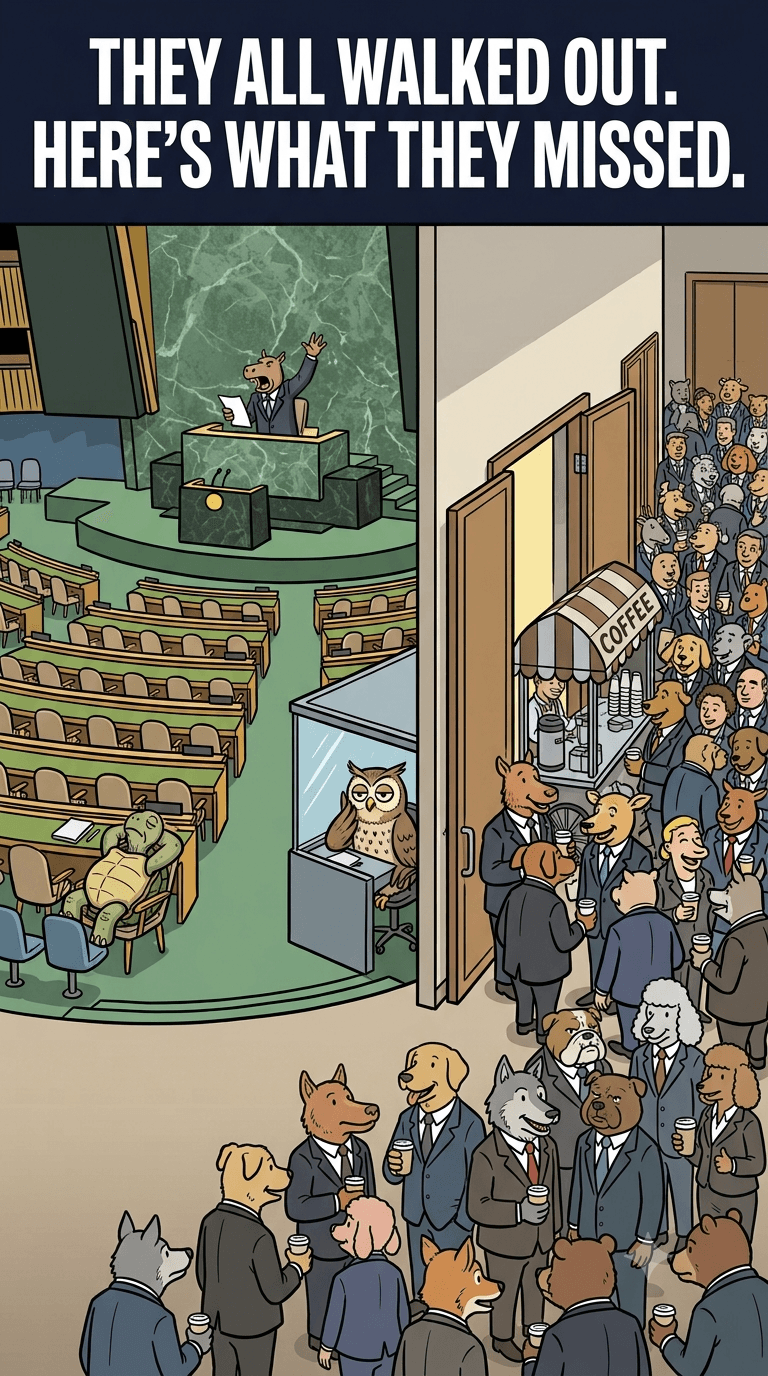
Stubb argued that the traditional rules-based balance of power is under immense strain. However, rather than viewing this disruption through a purely pessimistic lens, he framed it as a necessary evolution. "The era of a Western-dominated world is over," Stubb noted, cautioning that "it will take some time to sink in across the West." He urged Western capitals to drop the illusion of a perfect, static order and to abandon a lecturing tone in favor of learning from diverse civilizational perspectives.
Empowering the Global South and the "New Delhi Moment"
A central theme of Stubb’s address was the undeniable rise of the Global South. With compounding economic strength and a growing share of the global population, these nations are no longer peripheral players but central architects of international relations.
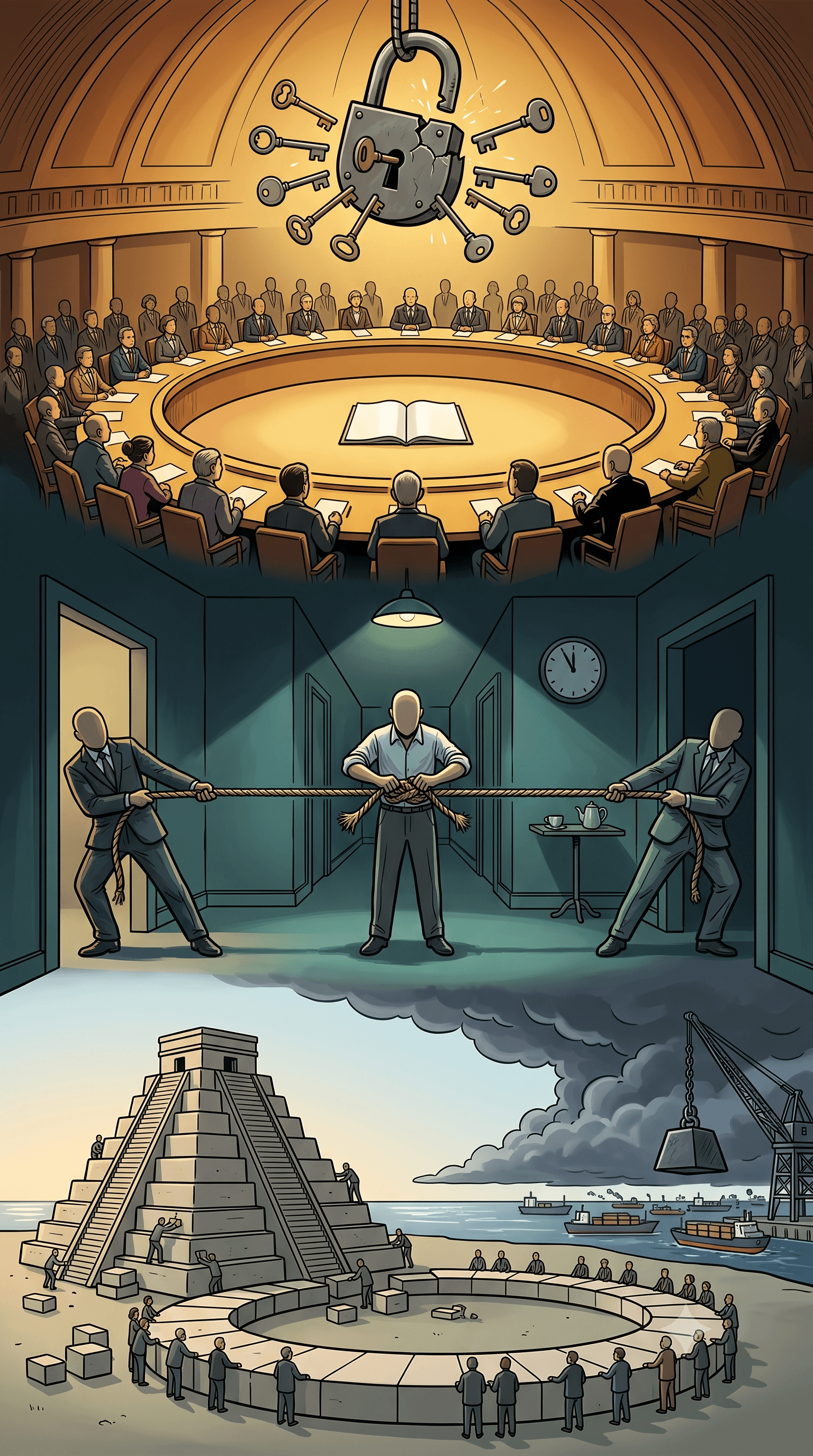
To facilitate this transition, Stubb proposed an international dialogue hosted by India, which he coined a “New Delhi Moment.” This initiative would gather world leaders in the Indian capital to deliberate on post-conflict reconstruction and establish frameworks for a fairer, more cooperative world order. He emphasized that India’s policy decisions in the coming years will largely dictate whether the world tilts toward conflict-driven multipolarity—characterized by transactional spheres of interest—or toward a representative, multilateral global system.
Reforming Global Institutions: The Push for India's UNSC Seat
President Stubb’s geopolitical vision relies heavily on modernizing legacy institutions. He was unequivocal in his assertion that global governance frameworks designed in 1945 are ill-equipped to handle the realities of 2026.
During a joint press briefing with Prime Minister Modi, Stubb voiced robust support for India securing a permanent seat on the United Nations Security Council (UNSC). He argued that granting a UNSC seat to the world’s largest democracy is of “utmost importance” to save multilateralism and give agency to the countries that hold true influence today.
Multilateralism vs. Raw Power in a Fragmented World
As a seasoned diplomat and political analyst, Stubb did not shy away from the dangers of the current geopolitical climate. He warned that if international rules are abandoned, the resulting power vacuum will inevitably be filled by "raw power, rogue behaviour, and predatory hegemons."
To counter this, he praised India’s longstanding foreign policy framework of "values-based realism," referencing centuries-old strategic thought from Kautilya’s Arthashastra. Stubb commended India for maintaining strategic autonomy—refusing to isolate itself while avoiding over-reliance on any single formal alliance. This active engagement, he suggested, serves as a blueprint for middle powers navigating a fragmented world.
Acknowledging Shared Global Challenges
The Finnish President also touched upon ongoing conflicts in Ukraine, West Asia, and Sudan, expressing deep concern over their potential to escalate globally. In a nod to India’s External Affairs Minister S. Jaishankar, Stubb agreed that “Europe has to grow out of the mindset that Europe’s problems are the world’s problems, but the world’s problems are not Europe’s problems.” He stressed that all regional conflicts are shared global challenges requiring collective, diplomatic solutions.
Economic and Strategic Implications of the Finland-India Partnership
Beyond grand strategy, Stubb’s state visit yielded concrete bilateral advancements. Following a three-hour meeting with Prime Minister Modi, the two nations focused on deepening ties across trade, investment, and critical technologies.
With Finland’s recognized strengths in clean technology, telecommunications, and artificial intelligence, and India’s rapid digital expansion, the partnership is strategically mutually beneficial. Stubb highlighted that technology and AI must act as bridges rather than dividers between developed and developing nations, pointing to the recently signed Memoranda of Understanding (MoUs) to expand cooperation and labor mobility between Helsinki and New Delhi.
Strategic Outlook and Global Impact
President Alexander Stubb’s declarations at the Raisina Dialogue 2026 mark a critical juncture in international relations. A European head of state explicitly acknowledging the end of Western dominance and advocating for Indian leadership signals a profound shift in global diplomatic strategy.
As the international community navigates trade weaponization, regional wars, and the rapid advancement of AI, the integration of the Global South into the core of global decision-making is no longer optional. India’s strategic autonomy, demographic advantage, and steady economic growth uniquely position it to bridge the divide between the established West and the emerging East. The coming decade will test whether traditional powers are willing to share the table and accommodate this new reality, or if the global system will fracture further under the weight of outdated hierarchies.
#news #geopolitics #India #Finland #AlexanderStubb #NewWorldOrder #RaisinaDialogue2026 #GlobalSouth #UNSC #InternationalRelations #Economy #ForeignPolicy