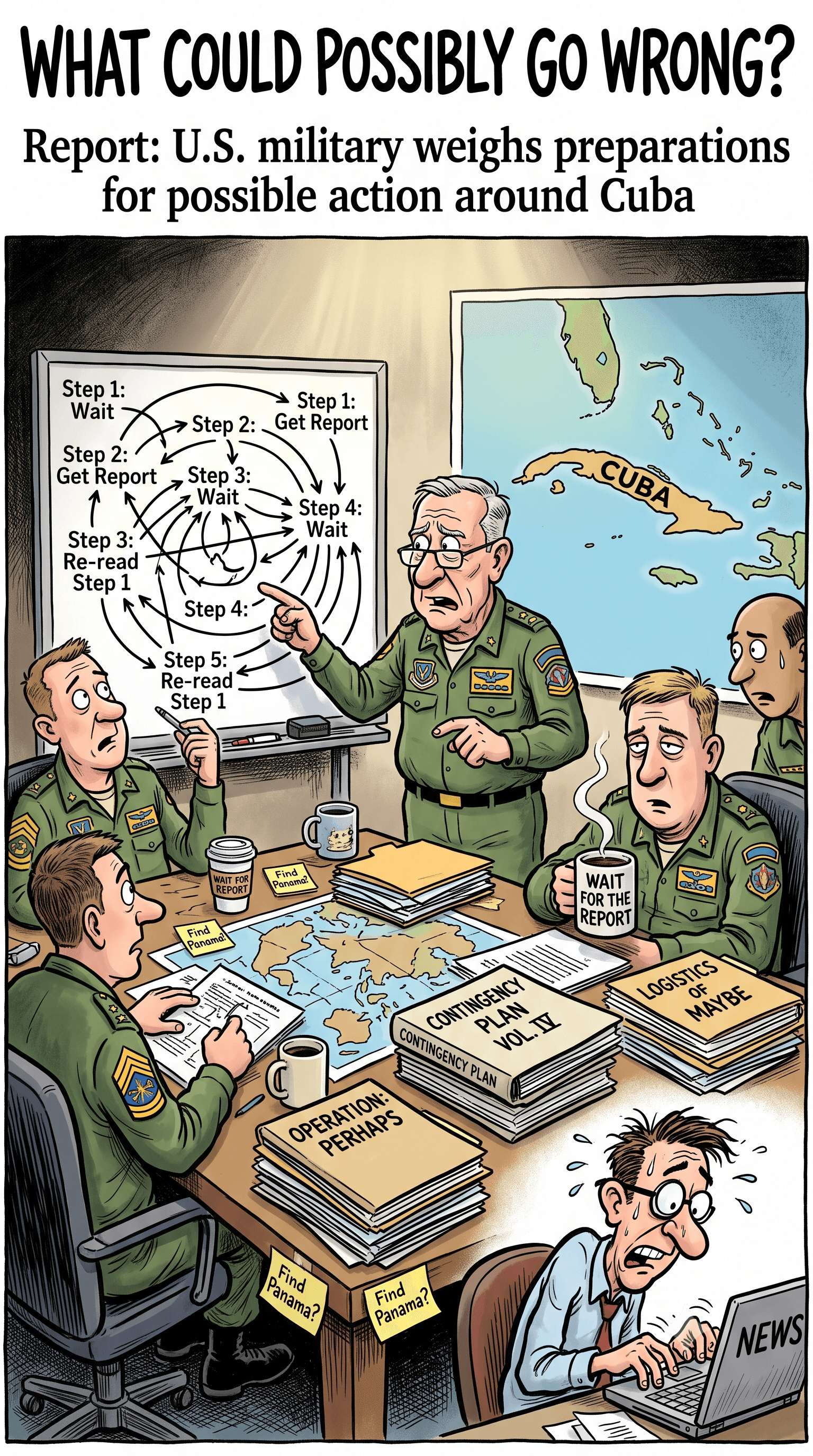
WASHINGTON, D.C. — In a sweeping shift of federal priorities, U.S. President Donald Trump has submitted a fiscal year 2027 budget proposal requesting a staggering $1.5 trillion for the Department of Defense. The request, which marks the largest proposed percentage increase in military spending since World War II, arrives as the United States navigates the soaring financial burden of its ongoing war with Iran—a conflict reportedly costing American taxpayers up to $2 billion per day.
The White House’s proposal explicitly links the record-breaking defense budget to wartime necessities. However, the plan sets the stage for a fierce political showdown in Congress, as the administration seeks to offset the historic military buildup with significant 10% cuts to domestic, non-defense federal programs.
The Largest Military Spending Hike Since WWII
The proposed $1.5 trillion defense budget represents an extraordinary year-over-year increase of more than 40% to the Pentagon’s baseline funding. Designed to address immediate wartime operations and rebuild rapidly depleting weapons stockpiles, the proposal is a stark reflection of the administration's pivot toward national security over domestic investment.
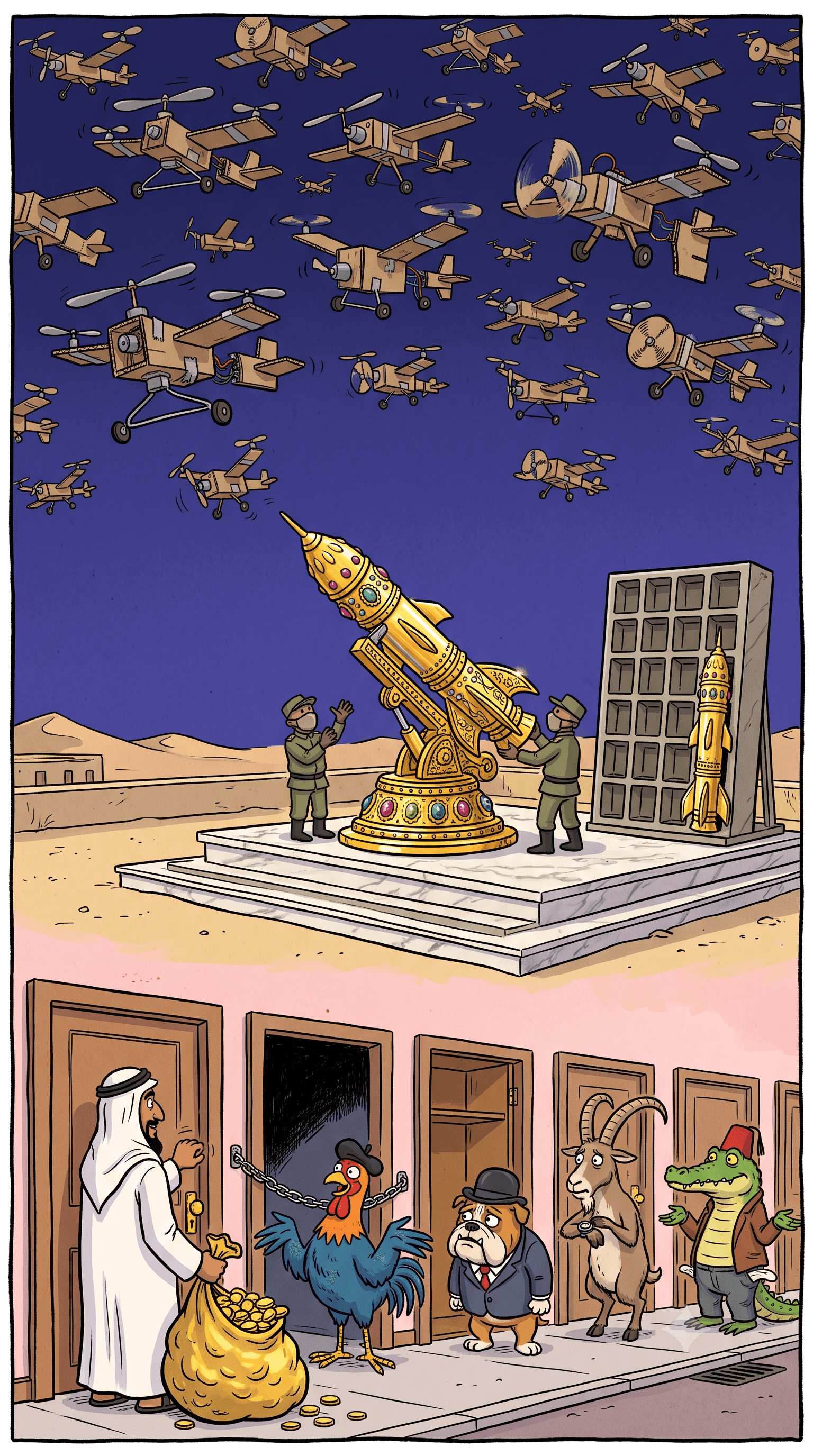
Administration officials emphasize that the funds will not only sustain the current military campaign in West Asia but also modernize the U.S. armed forces for long-term global deterrence. Included in the budget request is an additional $350 billion specifically earmarked for military weapons procurement and the expansion of the American defense industrial base. The influx of capital targets advanced technologies, including artificial intelligence capabilities, massive shipbuilding initiatives, and the development of the "Golden Dome" missile defense system.
Additionally, the budget proposes a 7% pay raise for military personnel currently engaged in operations.
Shifting Priorities: Defense Over Domestic Spending
To partially offset the immense scale of the defense budget, President Trump is asking Congress to slash approximately $73 billion from non-defense discretionary spending. This 10% reduction targets a wide array of federal initiatives, including K-12 and higher education, environmental and renewable energy grants, health research, and low-income housing assistance.
Speaking at a private White House event this week, Trump articulated his administration's rationale, arguing that federal focus must remain strictly on the war effort. "We're fighting wars. We can't take care of day care," the President stated. "It's not possible for us to take care of day care, Medicaid, Medicare — all these individual things... They can do it on a state basis. You can't do it on a federal."
The administration’s budget document frames these cuts as an effort to eliminate wasteful programs, advocating that state and local governments should assume responsibility for domestic social safety nets while Washington focuses on national security.
The Staggering Financial Toll of the Iran Conflict
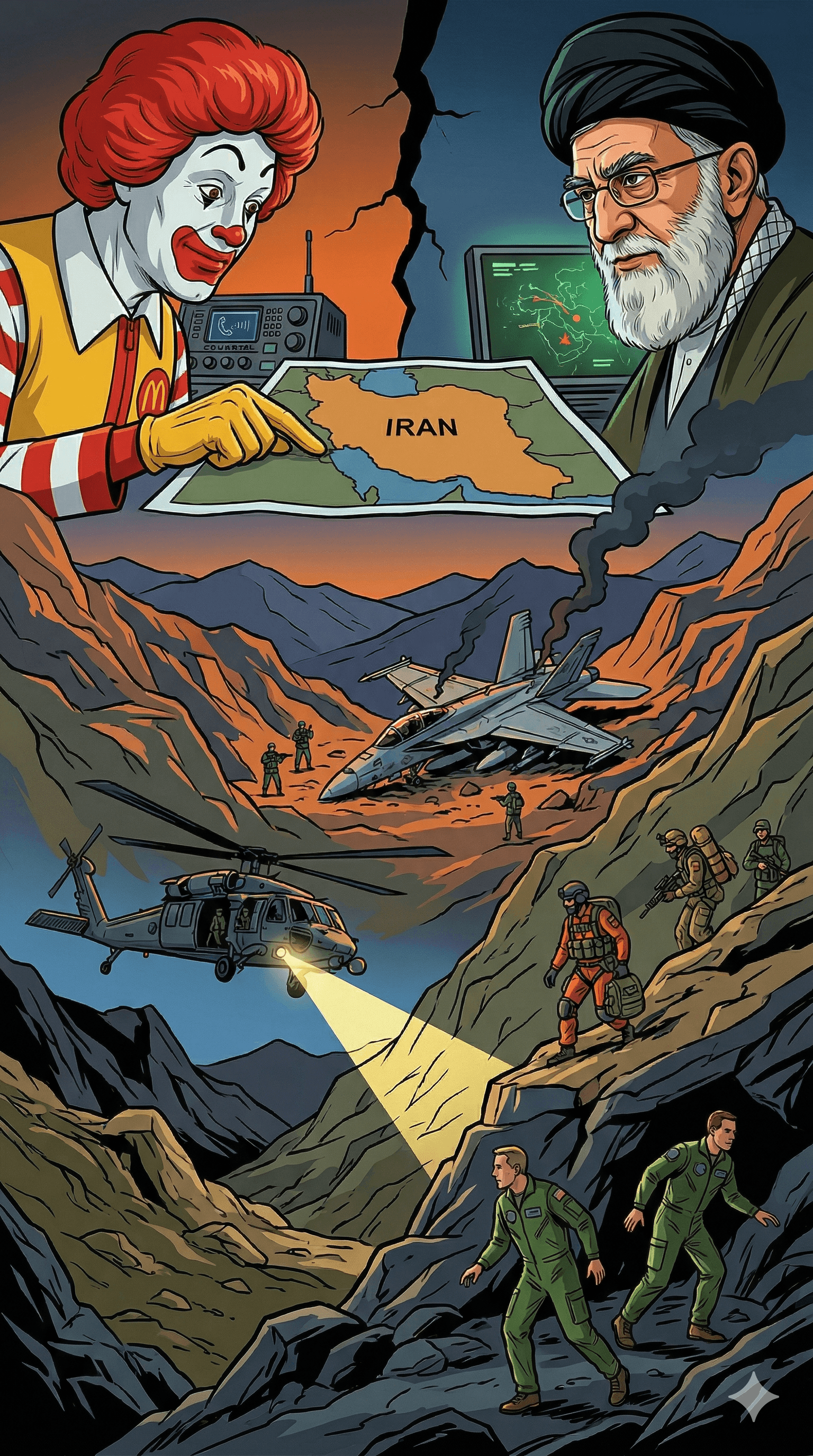
The catalyst for the $1.5 trillion defense budget is the escalating, month-long U.S.-led war with Iran. According to closed-door congressional briefings cited by U.S. media, the intense operational tempo of the conflict is draining military resources at an unprecedented rate, costing the federal government nearly $2 billion a day.
These figures underscore the massive logistical and tactical undertaking currently underway in West Asia. The United States and its regional allies, notably Israel, have been engaged in widespread exchanges of fire with Iranian forces and affiliated regional networks. Recent reports indicate that energy infrastructure, civilian sites, and Washington-linked assets across the region have been heavily targeted.
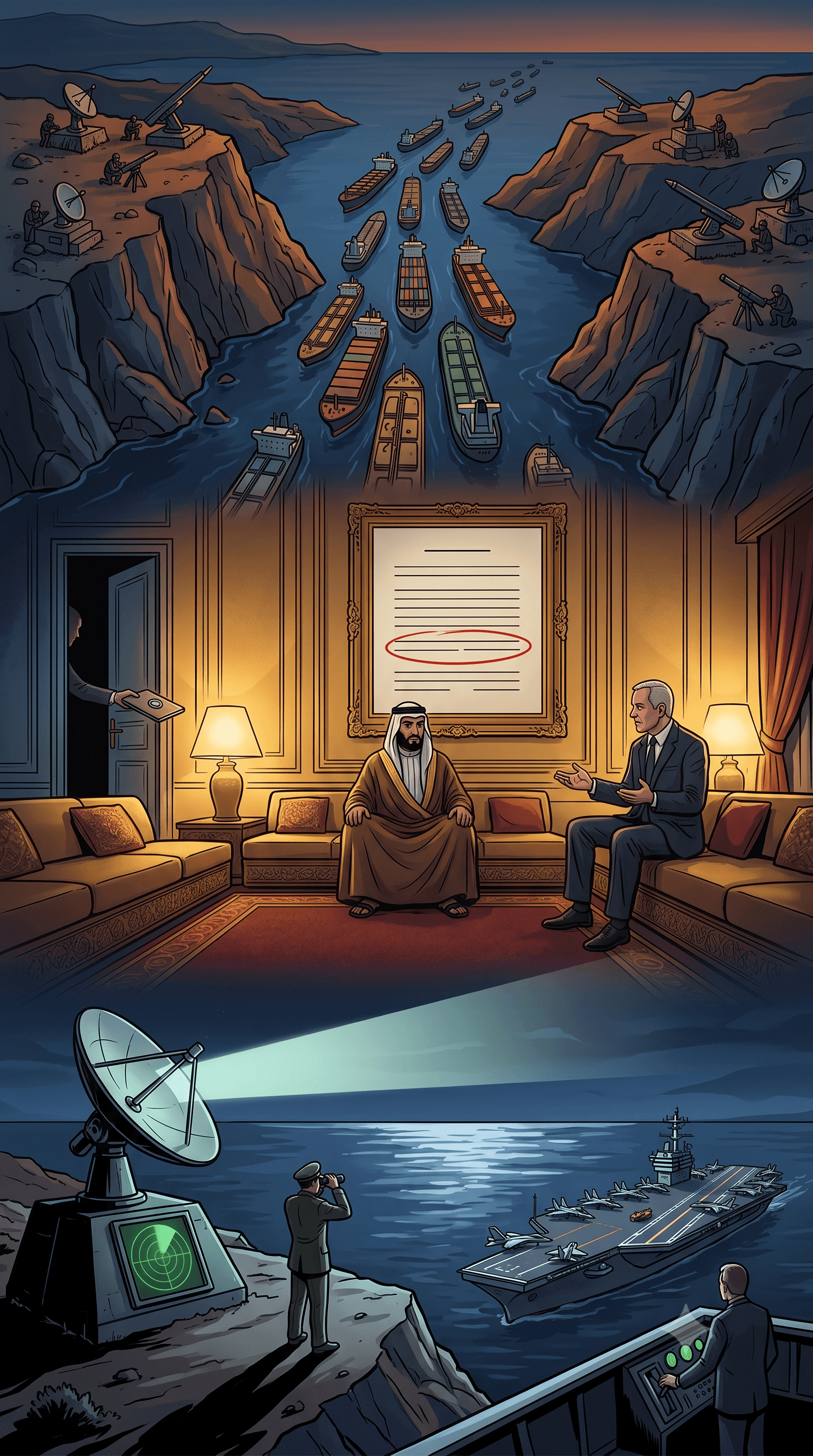
The economic ripple effects of the war are already being felt globally, particularly concerning energy markets. As the conflict disrupts commercial shipping in critical chokepoints like the Strait of Hormuz—which Trump recently claimed the U.S. could reopen "with a little more time"—the necessity for a well-funded, prolonged military posture has become the administration's primary talking point.
Political Roadblocks and Economic Implications
While presidential budget proposals traditionally serve as a reflection of an administration's values and a starting point for negotiations, the $1.5 trillion defense budget is expected to face intense scrutiny on Capitol Hill. Congress, which holds the power of the purse, must ultimately approve any spending measures.
The Legislative Battle Ahead
The deep cuts to non-defense spending are highly likely to face staunch opposition. Lawmakers from both sides of the aisle frequently resist substantial reductions to popular domestic programs, and shifting the financial burden of healthcare and education to individual states will be a deeply contentious proposition.
Furthermore, the macroeconomic backdrop of the United States complicates the passage of such a massive budget. The national debt has recently swelled past $39 trillion, and the nation is already running massive annual deficits. Critics argue that adding over a trillion dollars to defense spending, even with the proposed $73 billion in domestic cuts, will drastically accelerate the national debt curve.
To bypass potential legislative gridlock, the Trump administration has reportedly urged lawmakers to pass the baseline defense increase through the standard government funding process, while utilizing a party-line legislative maneuver—similar to the reconciliation process used for previous tax cuts—to push through the remaining $350 billion weapons package without requiring cross-party support.
Outlook and Impact
As the United States enters the second month of its war with Iran, the $1.5 trillion defense budget proposal serves as a definitive statement of the Trump administration's geopolitical and domestic priorities. The coming weeks will test the administration’s ability to rally a war-weary and financially anxious Congress around this historic military expansion.
Should the budget pass in a form resembling its current draft, it will fundamentally reshape the American federal government, resulting in a significantly augmented military apparatus alongside a permanently shrunken domestic federal footprint. For now, all eyes remain on the U.S. Capitol—and the battlefield in West Asia—as the economic and human costs of the conflict continue to mount.
#USPolitics #DefenseBudget #DonaldTrump #IranWar #Geopolitics #USMilitary #Economy #NationalDebt #Congress #GlobalSecurity #MiddleEastConflict #DefenseSpending