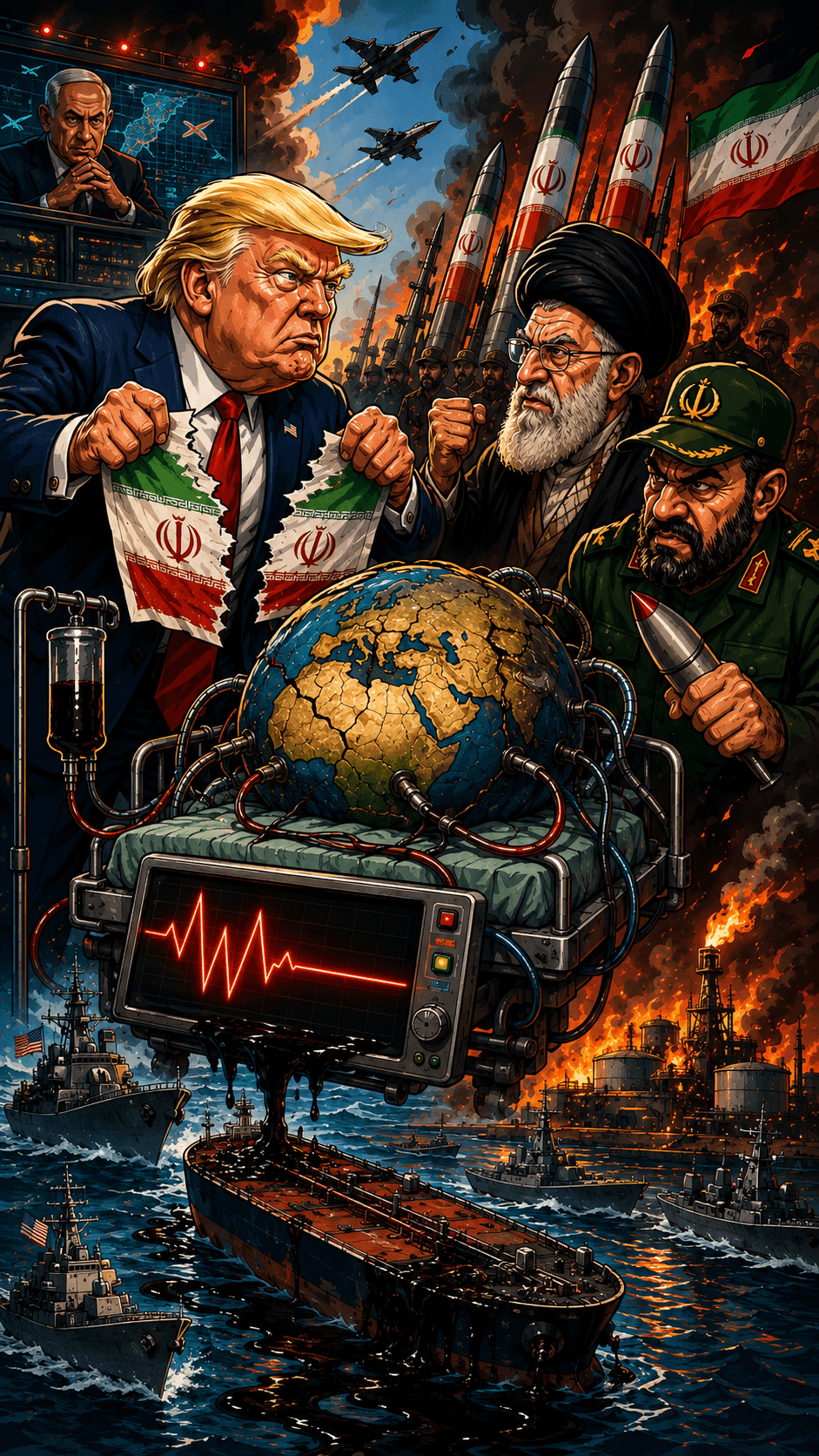
President Donald Trump has declared that the fragile ceasefire with Iran is on "life support" following his swift and public rejection of Tehran's latest peace proposal. Calling the Iranian response a "piece of garbage" and "totally unacceptable," Trump’s remarks highlight the growing diplomatic impasse in a volatile conflict that has heavily disrupted global shipping and energy markets.
The Collapse of Diplomatic Efforts
The United States and Israel launched a coordinated military operation against Iran on February 28, 2026, igniting a war that has dramatically reshaped the Middle East. Following intense combat, the warring sides agreed to a temporary ceasefire on April 7 and 8, pausing direct military attacks to allow for negotiations, with Pakistan serving as a key mediator for direct talks.
However, the latest exchange of diplomatic demands has left the peace process in severe jeopardy. Over the weekend, Iran submitted its formal response to a comprehensive U.S. peace proposal. Trump immediately dismissed the document, stating he did not even finish reading it. When questioned about the status of the agreement at the White House on Monday, Trump told reporters, "I would say the ceasefire is on massive life support". He further emphasized his negotiating position by asserting he faces no domestic pressure to finalize a rushed or unfavorable deal.
Competing Demands: Nuclear Concessions vs. The Strait of Hormuz
The core of the ongoing deadlock lies in the vast, seemingly irreconcilable differences between Washington’s and Tehran’s fundamental demands.
U.S. Demands: The Trump administration is insisting on a major, verifiable rollback of Iran's nuclear activities. The U.S. strictly requires a clear commitment from Iran to end its uranium enrichment program. Two regional officials indicated that Iran offered a compromise to dilute part of its highly enriched uranium and transport the remainder to a third country, like Russia, but this has not resolved the impasse.
Iranian Demands: Conversely, Iran's proposal asked for U.S. recognition of its full sovereignty over the Strait of Hormuz, which would formalize its control over the vital international waterway. Iranian state television reported that Tehran also demanded significant war reparations from the U.S., the immediate lifting of international sanctions, the unfreezing of Iranian assets held abroad, and an end to the conflict between Israel and Hezbollah in Lebanon.
Iranian officials have firmly defended their diplomatic response. Foreign Ministry spokesman Esmail Baghaei stated, "We did not demand any concessions — the only thing we demanded was Iran's legitimate rights". Iran continues to maintain that its nuclear program is strictly peaceful and that it possesses a sovereign right to enrich uranium.
Economic Stakes and the Crisis in the Strait of Hormuz
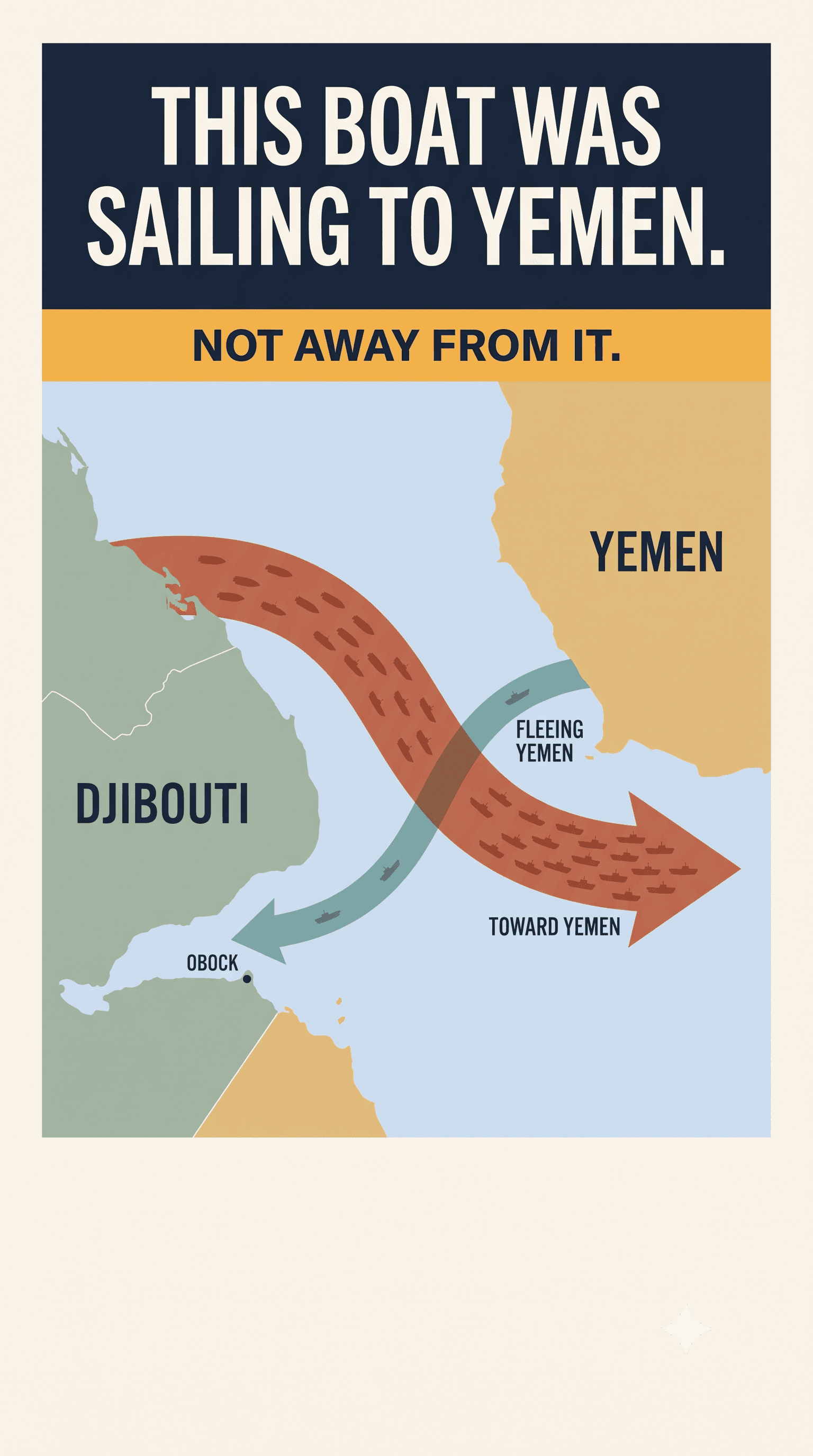
The 10-week-old conflict has virtually paralyzed commercial shipping through the Strait of Hormuz, a crucial geopolitical passageway that handles one-fifth of global crude oil supplies. Iran has effectively closed the strait since the start of the war, allowing only a small number of ships to pass while reportedly planning to charge transit tolls. Mostafa Taheri, a member of the Iranian parliament's industry commission, claimed these new transit fees could generate $15 billion annually for Tehran, which would stabilize their foreign exchange reserves.
In response, the U.S. military has blockaded Iranian ports since April 13, reporting that it has turned back 61 commercial vessels and disabled four. Recently, the U.S. struck two Iranian oil tankers attempting to breach the blockade. Consequently, global energy markets have been deeply rattled, pushing oil prices to over $105 a barrel as the diplomatic deadlock continues.
Global Alliances and the China Factor
President Trump is expected to leverage an upcoming diplomatic trip to China to press President Xi Jinping on the Iranian crisis. Beijing remains the largest buyer of Iran's sanctioned crude oil, providing China with immense economic leverage over Tehran. However, international analysts note that Xi is unlikely to easily agree to U.S. requests to restrict oil purchases or arms sales, given China's deep, long-standing economic ties with Iran.
Meanwhile, military posturing continues across the globe. As a demonstration of U.S. capability, a ballistic missile submarine recently surfaced in the British territory of Gibraltar. Simultaneously, U.S. officials noted that Iran has strategically moved some of its military and civilian aircraft to neighboring Pakistan and Afghanistan in an apparent effort to shield its aviation assets from potential U.S. airstrikes. Iran's new supreme leader, Mojtaba Khamenei, also reportedly issued "decisive directives for the continuation of operations" while meeting with military command.
Israeli Warnings and the Threat of Military Escalation
As diplomatic channels falter, the specter of resumed military action looms heavily over the negotiations. Israeli Prime Minister Benjamin Netanyahu, who spoke with Trump following the submission of Iran's response, maintains a strict hardline stance. Netanyahu asserted in a recent interview that the war is not over because the highly enriched uranium must be physically removed from Iran. He warned that if negotiations fail to accomplish this, Israel and the U.S. agree that they "can reengage them militarily".
Outlook and Regional Impact
The immediate rejection of Tehran's response leaves the Middle East balancing on the razor's edge of renewed, full-scale conflict. If the "life support" holding the ceasefire together fails entirely, the immediate global impact will likely be a further surge in energy prices, deeper economic instability, and intensified military engagements within the Strait of Hormuz. The success of Trump’s upcoming diplomatic efforts in Beijing may represent one of the last remaining avenues for a negotiated settlement before the U.S. and Israel resort to further military action to forcibly dismantle Iran's nuclear infrastructure.