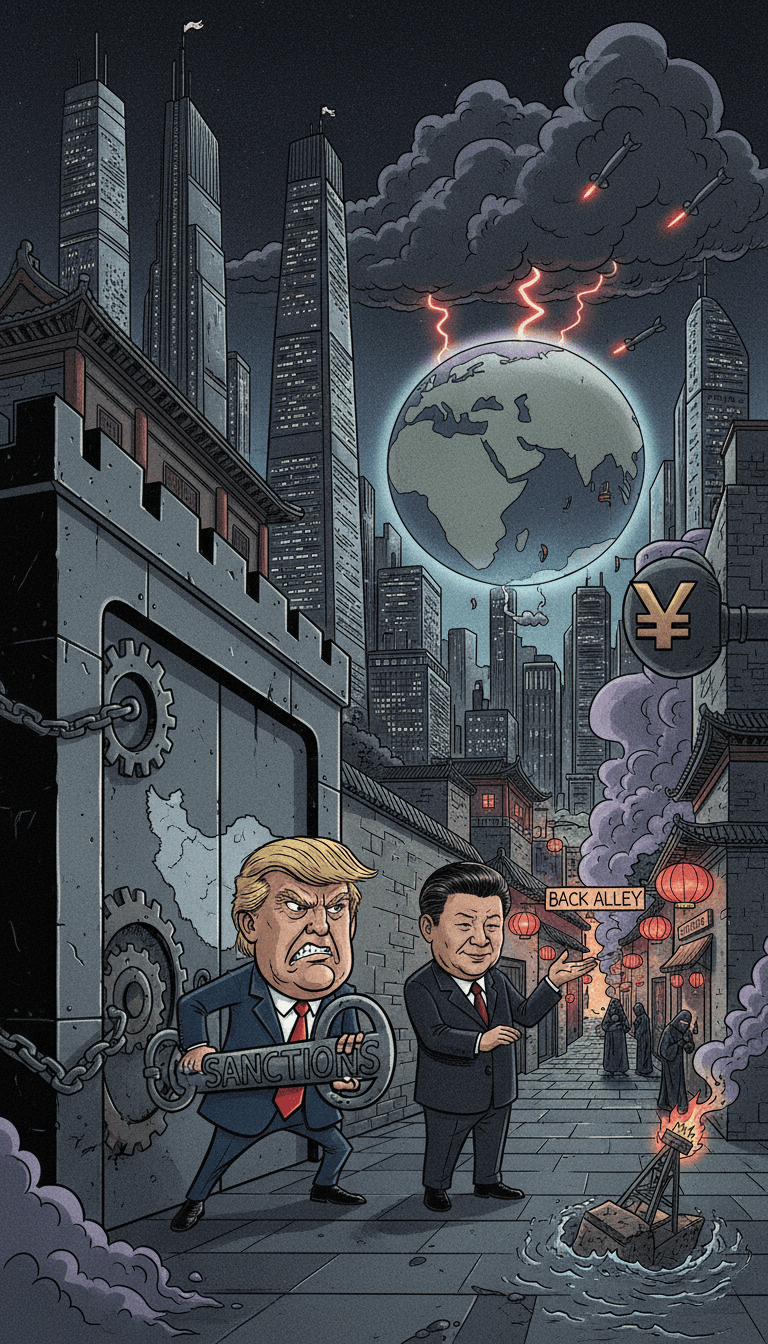
U.S. President Donald Trump is set to arrive in Beijing on Wednesday, May 13, for a highly anticipated, two-day state visit with Chinese President Xi Jinping. Billed as an opportunity to rebalance US-China relations, the summit’s agenda is dominated by a far more urgent global crisis: the ongoing war in Iran.
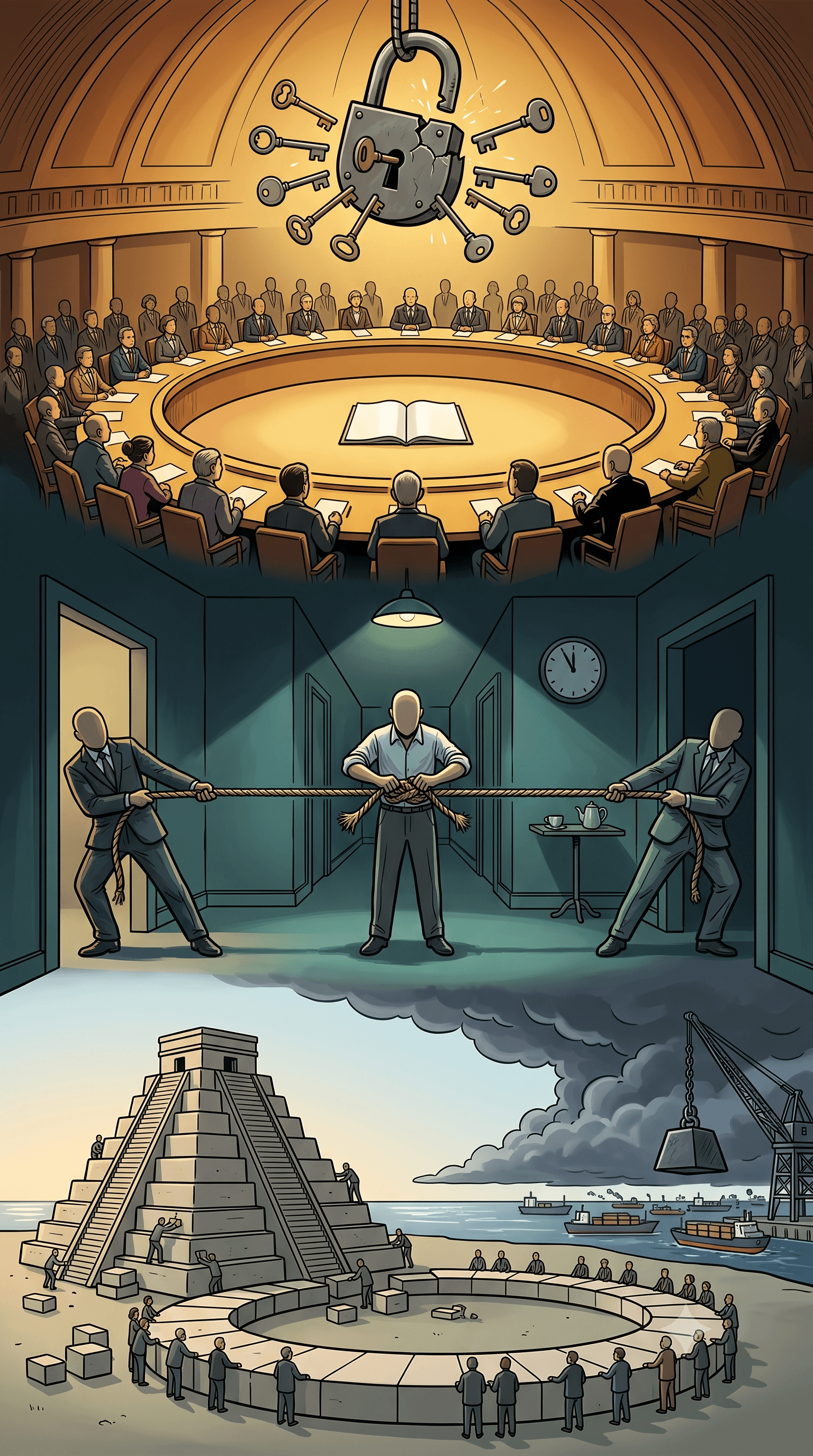
As the U.S. looks to aggressively sever Tehran’s economic lifelines, Washington is attempting to use the summit to lock the global door on Iran. However, geopolitical analysts note that Beijing, driven by its own economic and energy security needs, continues to keep a strategic "back alley" open. The dynamic sets the stage for a tense, transactional meeting between the world’s two largest economic powers.
The High-Stakes Summit in Beijing
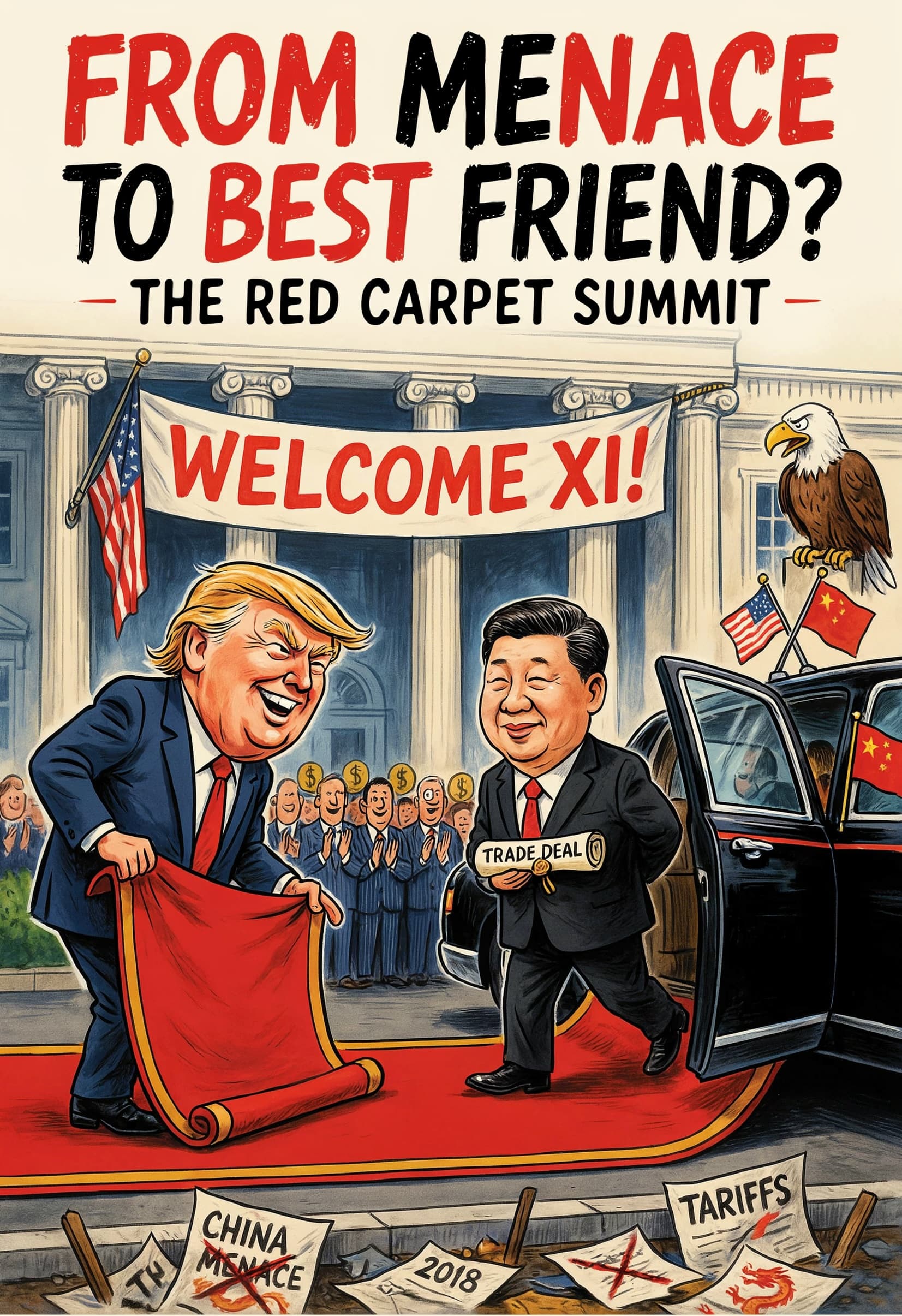
President Trump’s visit to China—his first since 2017—was originally scheduled for late March but was postponed following the outbreak of the U.S.-Israeli war against Iran in late February. The diplomatic pageantry will be on full display, featuring a welcome ceremony, a tour of the Temple of Heaven, and a lavish state banquet.
However, behind the ceremonial optics lies a complex negotiation. Trump will be accompanied by 17 top tech and finance executives, including Elon Musk, as the administration seeks deliverables on trade, artificial intelligence, and aerospace. Yet, the White House has made it clear that the Middle East is a top priority. U.S. Principal Deputy Press Secretary Anna Kelly recently emphasized that while the visit carries tremendous symbolic significance, the administration expects to secure critical agreements on both economic independence and global security.
The "Front Door" Strategy: Maximum Pressure on Tehran
The U.S. strategy heading into Beijing is clear: enforce maximum diplomatic and economic pressure to cut off Iran’s war-making capabilities. In recent weeks, Washington has dramatically escalated its sanctions regime, targeting dozens of entities—including a major Chinese oil refinery—tied to the shadow trade that funnels Iranian crude into the global market.
U.S. Treasury Secretary Scott Bessent has been instrumental in this push, publicly urging Beijing to halt activities that Washington views as funding the Iranian regime. The U.S. has even taken the extraordinary step of physically seizing Chinese-linked vessels suspected of transporting Iranian goods.
For the Trump administration, the goal in Beijing is to force Xi Jinping to publicly and practically close the "front door" of international commerce to Iran. With the Strait of Hormuz effectively closed and global energy markets in turmoil, Trump is seeking to leverage the U.S.-China trade relationship to force compliance. He recently rejected an Iranian truce proposal, telling reporters that he expects gasoline and oil prices to "drop like a rock" only once a definitive diplomatic and military resolution is achieved.
Xi Jinping’s "Back Alley" Economy
Despite Washington’s heavy-handed tactics, China has powerful domestic incentives to maintain its economic ties with Tehran. Iran supplies roughly 13 percent of China’s total crude oil imports, much of it transported via an intricate "shadow fleet" designed to evade Western surveillance.
The closure of the Strait of Hormuz has already sent shockwaves through China’s manufacturing sector. Factory hubs in Guangdong province are reeling from skyrocketing raw material costs. For example, the price of plastic—derived directly from oil—surged by roughly 50 percent at the height of the recent supply chain panic. For Chinese manufacturers already grappling with the lingering hangover of sweeping U.S. tariffs, the energy crisis has severely squeezed profit margins.
Consequently, Xi Jinping is executing a delicate balancing act. While Beijing does not want to invite further U.S. secondary sanctions or be seen as overtly undermining global maritime security, it refuses to abandon its energy lifelines. By utilizing alternative payment mechanisms, discrete shipping networks, and exporting dual-use civilian-military goods, China keeps a quiet "back alley" open. This allows Beijing to sustain its economy, maintain its influence in the Middle East, and retain critical leverage over the United States.
Beyond the Middle East: Trade, Tech, and Taiwan
While the Iran conflict looms large, the U.S.-China relationship remains entangled in a web of other disputes. The summit will heavily feature negotiations aimed at extending a year-long trade truce agreed upon last October. Both sides are eager for economic stability, but deep divisions remain over U.S. tariffs and China's dominance in critical minerals and rare earth elements.
The two leaders are also expected to discuss the establishment of a "Board of Trade" to govern commercial interactions in agriculture and aviation, as well as crucial guardrails for Artificial Intelligence. Furthermore, the persistent issue of Taiwan remains a flashpoint. China continues to express outrage over recent U.S. arms sales to the self-governing island, and Beijing is likely to use its leverage in the Middle East to demand concessions from Washington regarding military support for Taipei.
Impact and Outlook: A Transactional Tug-of-War
As Air Force One touches down in Beijing, the power dynamics are notably different than they were a decade ago. President Trump needs a high-profile diplomatic victory to calm volatile energy markets and project global leadership amid a fracturing Middle East.
Conversely, President Xi Jinping holds significant leverage. By controlling the flow of Iranian oil and dominating the supply chains for critical defense and tech components, Beijing recognizes that Washington is negotiating from a position of urgent necessity.
Ultimately, Trump may secure commitments from Beijing to curb some visible trade with Tehran, allowing him to claim success in locking the global door. However, the realities of global energy demands and superpower rivalry guarantee that as long as China needs oil and geopolitical leverage, Xi Jinping will ensure the back alley remains open.