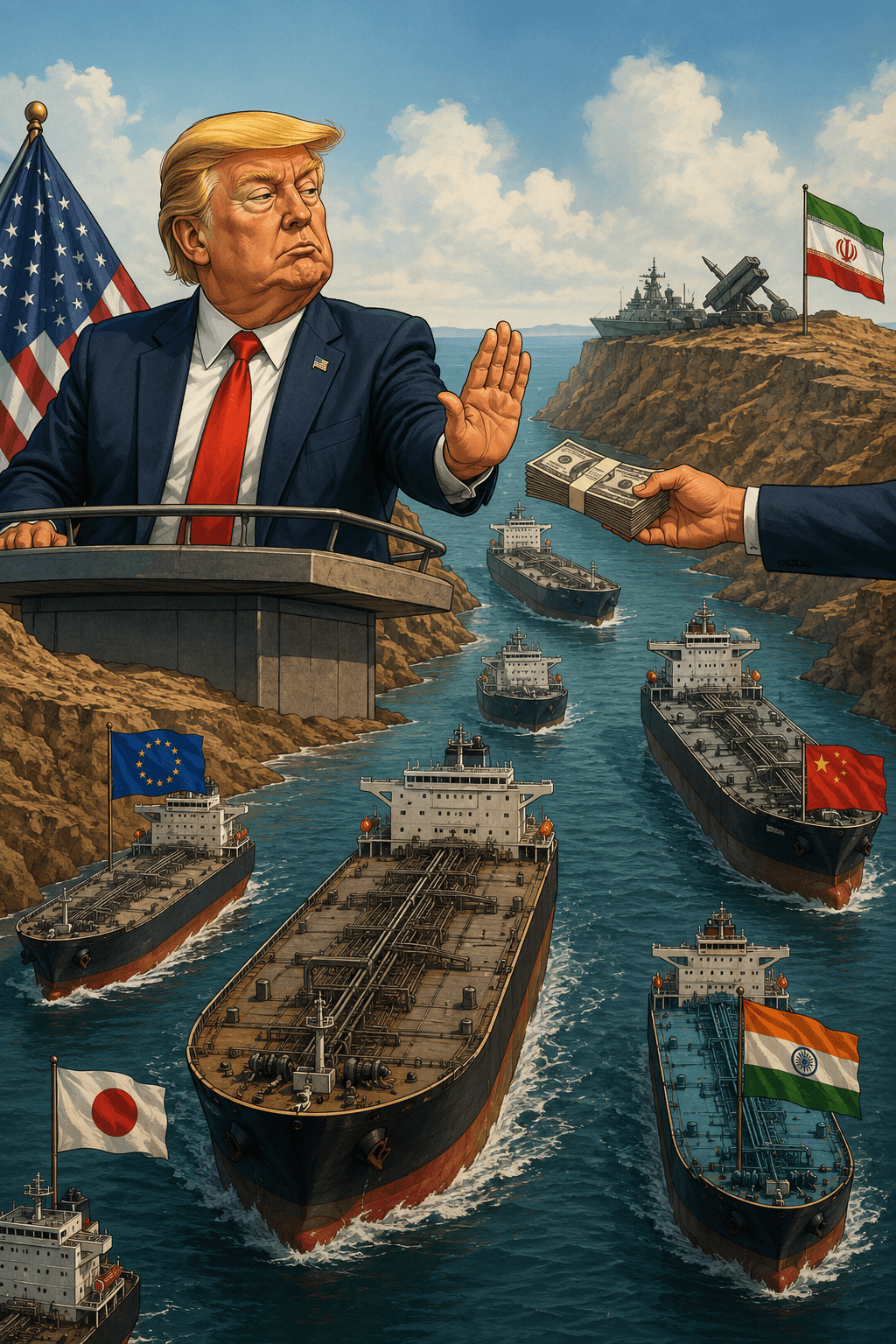
President Donald Trump recently sent shockwaves through the global energy sector with a proposal to impose a 20% "security fee" on all maritime cargo transiting the Strait of Hormuz. Declaring the United States the "Guardian of the Hormuz Strait," the sudden announcement briefly threatened to radically alter maritime law and drastically increase the cost of global energy.
Although the administration swiftly reversed the policy in favor of Gulf State investment deals, the brief consideration of a transit toll in one of the world's most critical maritime chokepoints has laid bare the fragile state of the global oil trade and ongoing geopolitical volatility in the Middle East.
The 20% Security Fee Proposal Explained
The controversy began when President Trump took to Truth Social to announce that the U.S. would reinstate a naval blockade against Iran and demand a 20% reimbursement fee on all shipped cargo passing through the Strait of Hormuz. Trump argued that as the primary provider of security in the volatile waterway, the United States deserved financial compensation for protecting commercial vessels.
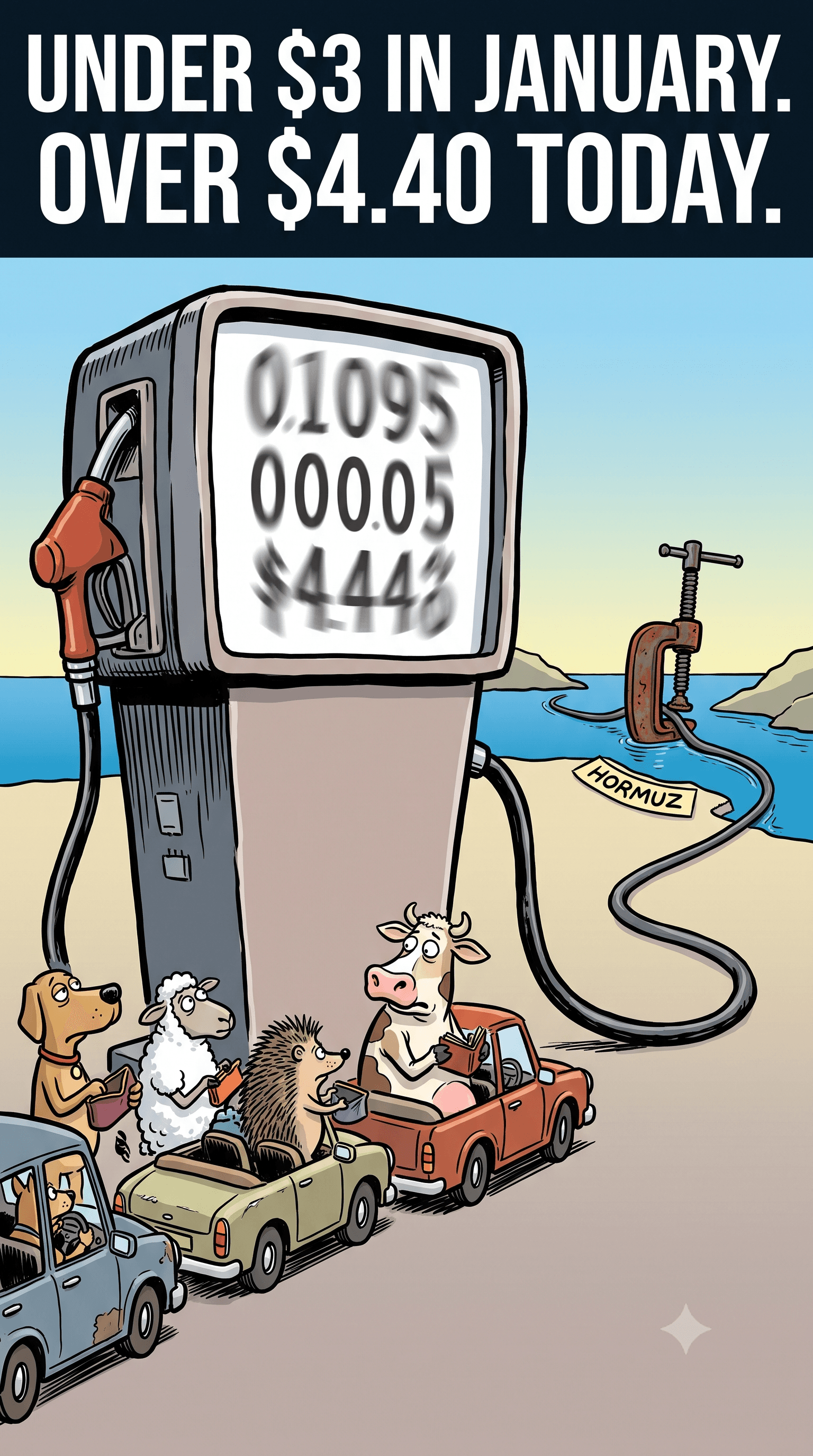
The financial implications of such a levy would have been staggering. Industry experts and analysts calculated that a 20% toll would add roughly $16 to the cost of every barrel of crude oil at current market prices. For a fully laden Very Large Crude Carrier (VLCC), this could amount to upwards of $30 million per shipment. Even for large natural gas carriers, the estimated fee would sit around $17 million per voyage. Snapping such massive costs onto existing supply chains threatened to disrupt the foundational economics of the energy sector, severely impacting the global oil trade.
Swift Market Reaction and Surging Oil Prices
Financial markets reacted immediately to the prospect of a US-mandated toll. The cost of Brent crude, the international benchmark, surged nearly 10% to $83.30 a barrel shortly after the announcement, reaching its highest level since mid-June. U.S. West Texas Intermediate futures also saw noticeable spikes, pushing above $80 per barrel as traders priced in the potential supply chain disruption.
Major financial institutions warned of the broader macroeconomic fallout. Analysts from Citi cautioned that implementing the 20% security fee would "materially" raise the risk of further military escalation and prolong adverse cost impacts on a global economy already sensitive to inflation. With U.S. midterm elections approaching in November, the sudden jump in oil prices presented a direct political liability, potentially threatening domestic gasoline prices and voter sentiment.
Legal Backlash and Industry Pushback
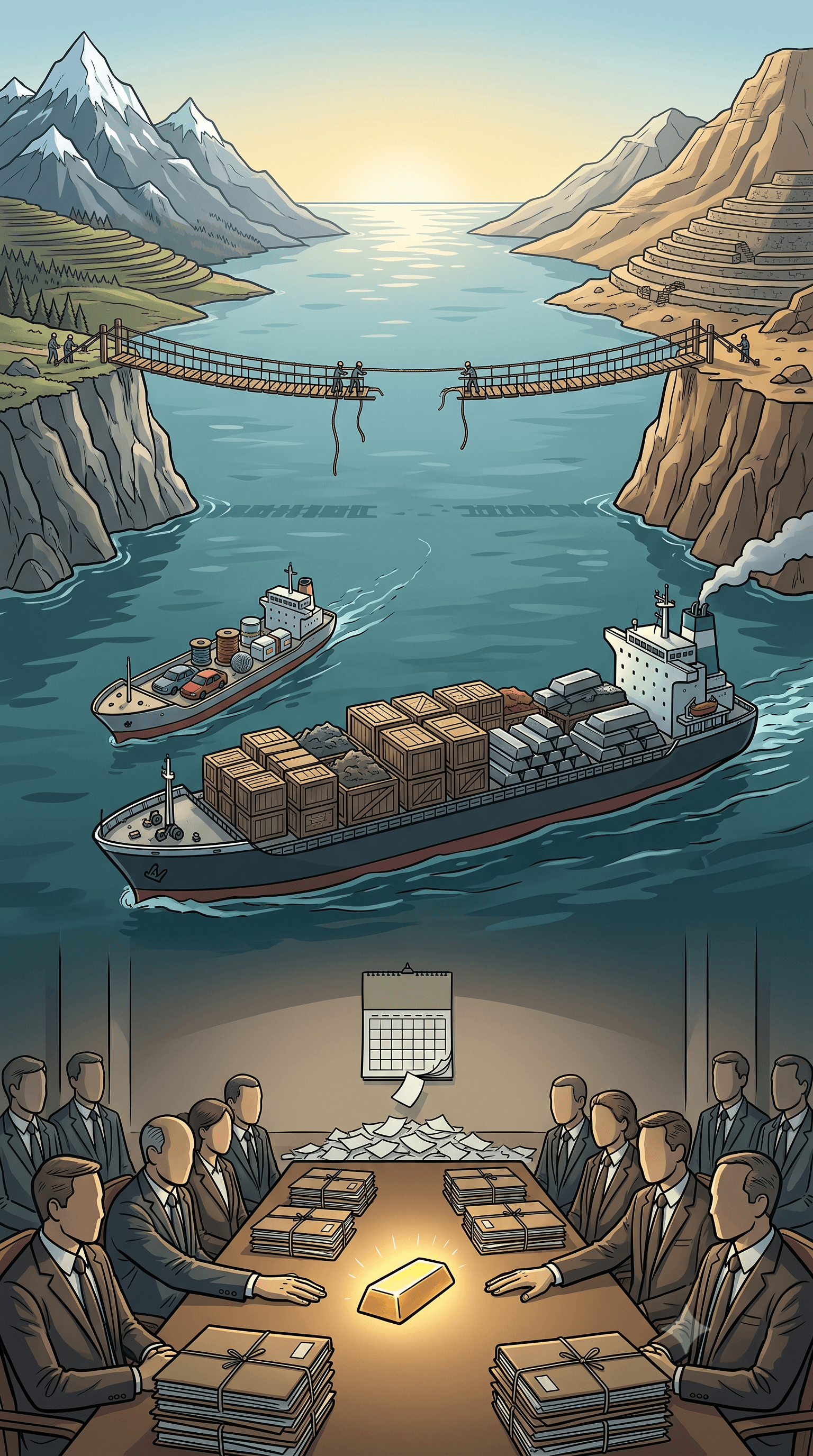
Beyond the economic shock, Trump’s Hormuz plan faced immediate condemnation from the international maritime community over its legality. The International Maritime Organization (IMO), a United Nations agency, forcefully rejected the proposal. The IMO clarified that there is absolutely no legal basis under international law to introduce mandatory tolls or fees for simple transit through an international strait.
Logistics companies and shipping analysts echoed this sentiment, arguing that an international waterway must remain free and open to commercial traffic. U.S. Secretary of State Marco Rubio had previously affirmed that no country is allowed to charge tolls on international waterways. Experts warned that enacting the fee would open a "dangerous Pandora's Box," setting a precedent that could empower other nations to levy unilateral charges on strategic chokepoints globally.
Geopolitical Fallout: Iran's Unexpected Rhetorical Win
Perhaps the most complicated consequence of the short-lived proposal was the rhetorical ammunition it provided to Tehran. The region has been engulfed in renewed military exchanges, with U.S. forces bombing coastal defense targets in Iran and Iranian forces attacking commercial shipping associated with U.S. allies.
Historically, Iran has sought to collect its own tolls or insurance fees for safe passage through the strait, a move fiercely opposed by the West. Following Trump's announcement, Iranian Foreign Minister Abbas Araghchi seized the opportunity to validate Tehran's longstanding position. Araghchi posted on social media that Trump was "absolutely right" that the power providing security deserves compensation, while mockingly adding that Iran has always been the true guardian of the strait and that 20% was "too much". By explicitly linking security to revenue, the U.S. temporarily legitimized a framework that Iran could use to justify future maritime extortion.
The Reversal: Gulf Investments Over Tolls
Less than 24 hours after the initial uproar, President Trump orchestrated an abrupt about-face. Taking to social media once more, he announced the cancellation of the 20% "United States Reimbursement Fee". Instead, Trump stated that "highly productive conversations with Middle East leadership" resulted in a new strategy where Gulf States would make "MASSIVE" trade and investment deals into the United States.
Following the retraction, crude oil prices immediately cooled off from their session highs, stabilizing the market. While the immediate threat of a transit tax has passed, the specifics of the newly promised Gulf investments remain entirely unclear, and there has been no immediate public reaction or confirmation from the Gulf nations themselves.
Global Outlook and Next Steps
While the 20% security fee has been shelved, the overarching instability in the Strait of Hormuz remains unresolved. Roughly one-fifth of the world's traded crude oil and natural gas relies on this narrow corridor. With the U.S. reinstating its naval blockade on Iranian ports and Tehran continuing to threaten commercial shipping, the 60-day interim agreement that previously paused hostilities appears to be in tatters.
For the global oil trade, the events of this week serve as a stark reminder of the vulnerability of energy markets. Even the suggestion of altering the rules of international maritime navigation can send global markets into a tailspin. Moving forward, stakeholders will have to navigate a fragile environment where geopolitical posturing, military blockades, and the looming threat of disrupted energy supplies continue to dictate the cost of doing business.