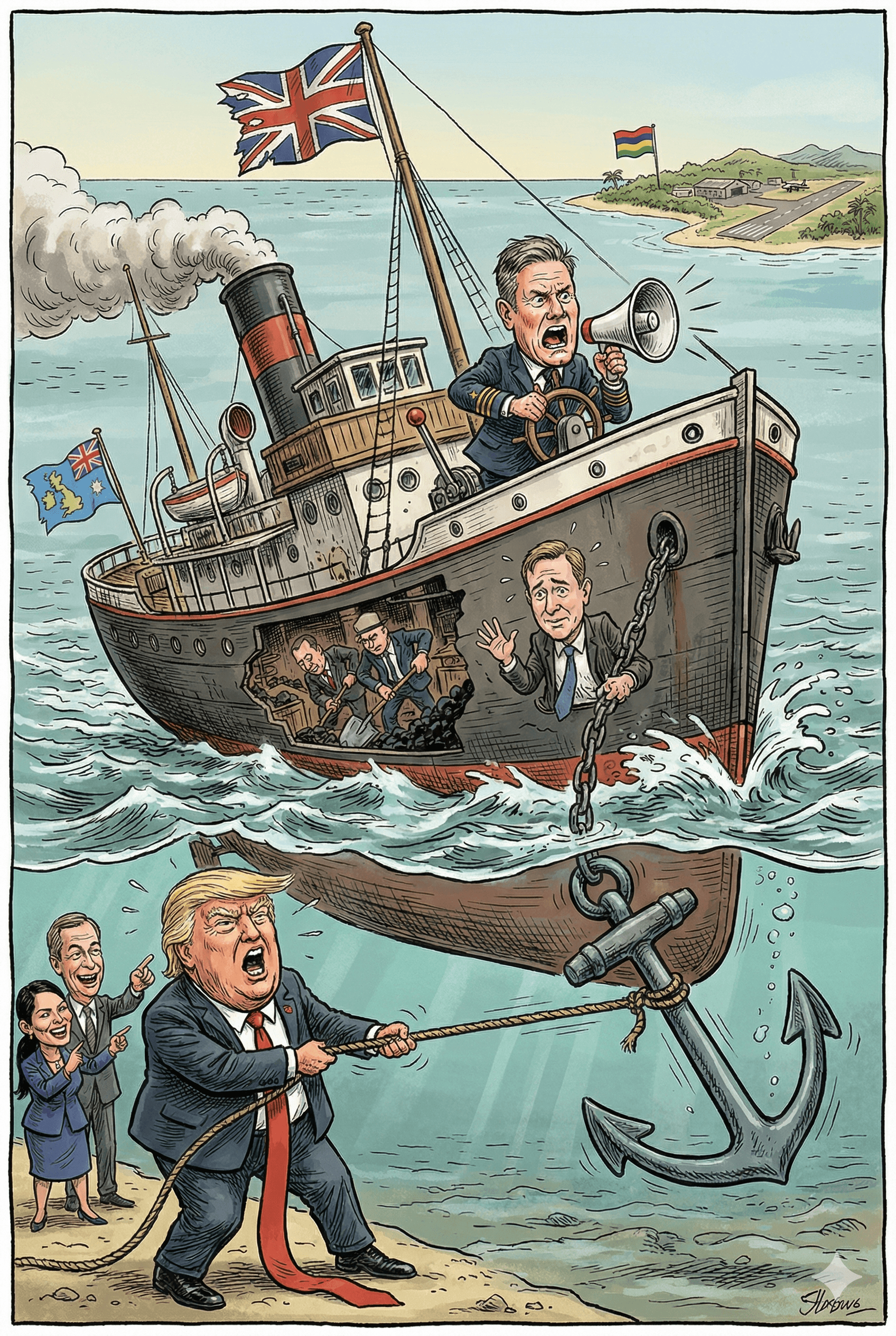
The UK government has forcefully denied that its controversial agreement to transfer sovereignty of the Chagos Islands to Mauritius has been paused, scrambling to clarify its position after a Foreign Office minister mistakenly told Parliament that the legislative process was on hold. The incident has exposed mounting domestic and international pressure on Prime Minister Keir Starmer's administration, particularly from US President Donald Trump, who has publicly criticized the deal involving the strategically vital Diego Garcia military base. As opposition politicians seize on the confusion, the diplomatic tightrope between honoring international agreements and maintaining the "Special Relationship" with Washington has never been more strained.
Confusion in the Commons: Did the UK Pause the Chagos Handover?
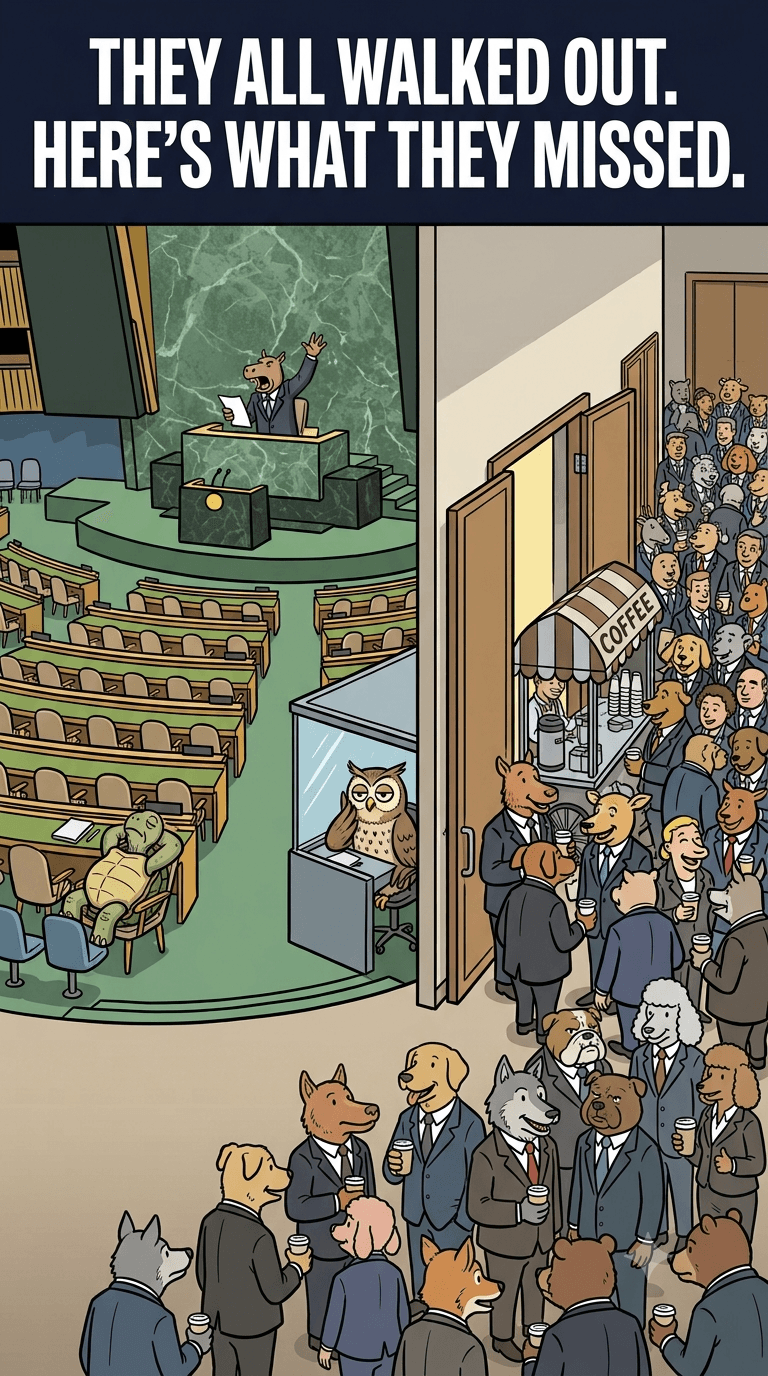
The political storm began on Wednesday, February 25, 2026, during an Urgent Question session in the House of Commons. Hamish Falconer, a Foreign Office minister and former diplomat, addressed the status of the treaty that would formally hand over the British Indian Ocean Territory to Mauritius. To the surprise of many, Falconer stated: "We will bring that back to parliament at the appropriate time. We are pausing for discussions with our American counterparts."
The declaration immediately made headlines, suggesting a major U-turn in British foreign policy. However, within hours, the government launched a rapid damage control operation. Senior government sources quickly told the press that Falconer had "misspoken."
A formal spokesperson for the Foreign, Commonwealth & Development Office (FCDO) categorically rejected the minister's phrasing, stating: "There is no pause. We have never set a deadline. Timings will be announced in the usual way." The FCDO did, however, acknowledge that the UK is continuing discussions with the United States and has maintained that it will not proceed without Washington's explicit support. Despite the official denial, parliamentary observers note that the legislation to ratify the treaty has not been debated in either the Commons or the House of Lords since late January, fueling speculation that the process is effectively frozen.
The Trump Factor: US Pressure Mounts Over Diego Garcia
At the heart of the geopolitical friction is Diego Garcia, the largest island in the Chagos archipelago and home to a highly secretive and strategically critical joint US-UK military airbase.
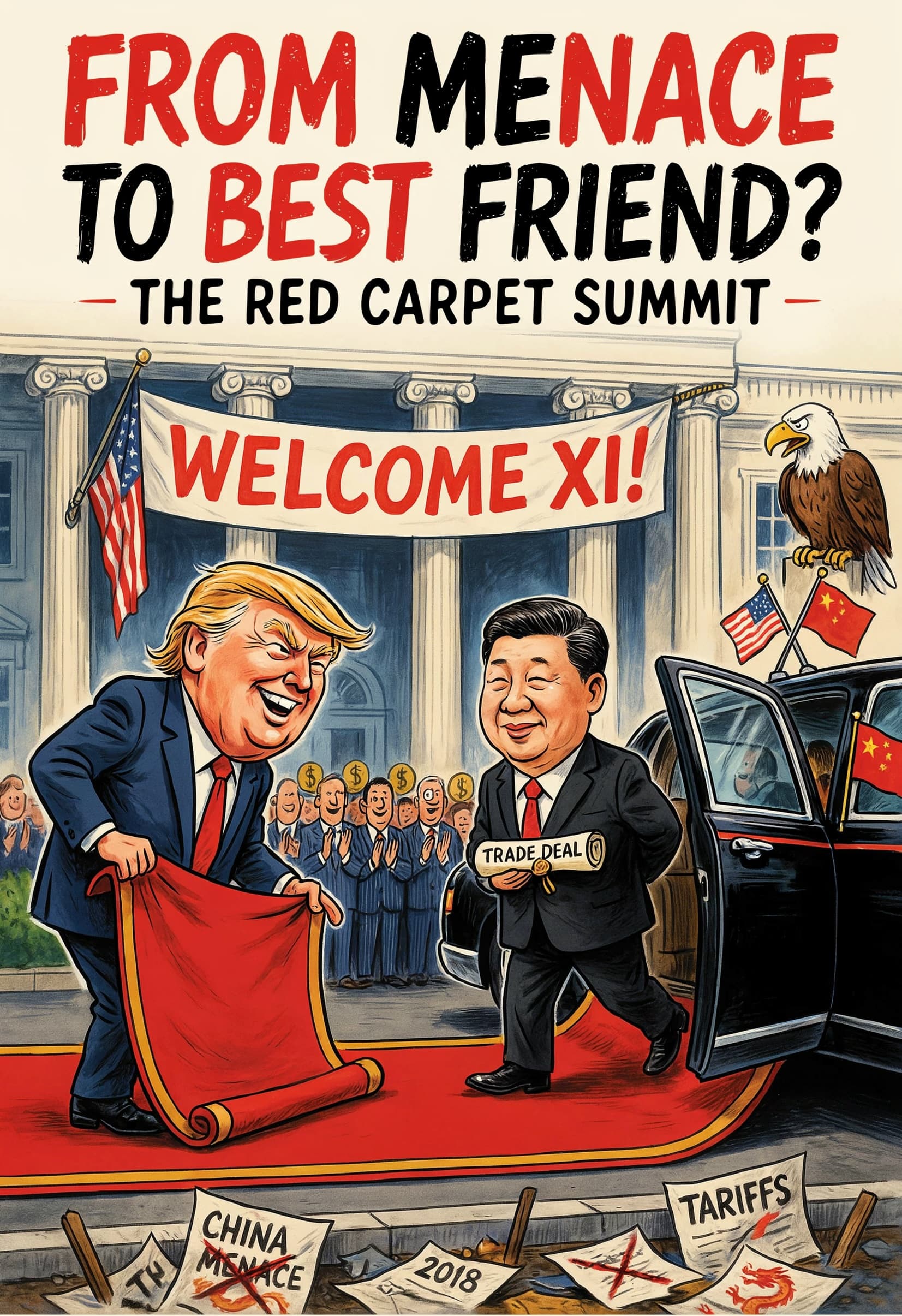
Although the US State Department previously expressed support for the UK-Mauritius agreement, President Donald Trump has recently adopted a hardline stance against it. Trump has publicly urged Prime Minister Starmer, "Do not give away Diego Garcia," characterizing the transfer of sovereignty as a "big mistake" and a potential "blight on our Great Ally." Under the proposed treaty, the UK would pay an estimated £34.7 billion in nominal terms over a 99-year lease to secure the continued operation of the base.
During his Commons appearance, Falconer admitted that Trump's recent statements were "very significant." He noted that while the previous US administration supported the treaty, the view of the current US President has shifted, prompting direct discussions between London and Washington. The Starmer government finds itself in a precarious position, fully aware that advancing a treaty that jeopardizes the operational security or political backing of its primary defense ally could have severe repercussions for broader US-UK relations.
Nigel Farage, The Maldives, and Domestic Opposition
The parliamentary confusion was triggered by Reform UK leader Nigel Farage, who used an Urgent Question to force the Chagos issue onto the agenda. Farage recently traveled to the Maldives, an independent archipelago nation neighboring the Chagos Islands. He claimed the British government had applied diplomatic pressure on the Maldivian government to prevent him from taking a boat to the Chagos Islands on a "humanitarian mission."
Farage stated he intended to join a delegation of Chagossians attempting to establish a protest settlement on one of the islands. Furthermore, Farage warned Parliament that the Maldives might be preparing to lodge a counter-claim to sovereignty over the Chagos Islands at the International Court of Justice (ICJ), adding another layer of legal complexity to the handover.
Meanwhile, the Conservative Party has intensified its attacks on the Labour government's handling of the treaty. Shadow Foreign Secretary Priti Patel, who was actively lobbying senior administration figures in Washington during the Commons debate, celebrated the apparent delay. Calling the treaty an "appalling act of betrayal," Patel demanded that Starmer "face reality and kill this shameful surrender once and for all." Conservative leader Kemi Badenoch echoed these sentiments, labeling the agreement to pay millions annually to lease back a military base on formerly British territory as "indefensible."
Background: What is the UK-Mauritius Chagos Islands Deal?
The dispute over the Chagos Islands has been a decades-long diplomatic thorn for the UK. In 1965, Britain separated the Chagos archipelago from Mauritius (which gained independence in 1968) to create the British Indian Ocean Territory. Subsequently, the UK forcibly deported the entire Chagossian population to clear the way for the US military base on Diego Garcia.
After years of legal battles, the International Court of Justice issued an advisory opinion in 2019 stating that the UK's decolonization of Mauritius was incomplete and that it should end its administration of the Chagos Islands. Facing mounting pressure from the United Nations and the Global South, the UK government finally agreed to a sovereignty transfer deal. The treaty was designed to respect international law and Mauritian sovereignty while carving out a 99-year lease specifically to protect the operational future of Diego Garcia.
Geopolitical Outlook and Next Steps
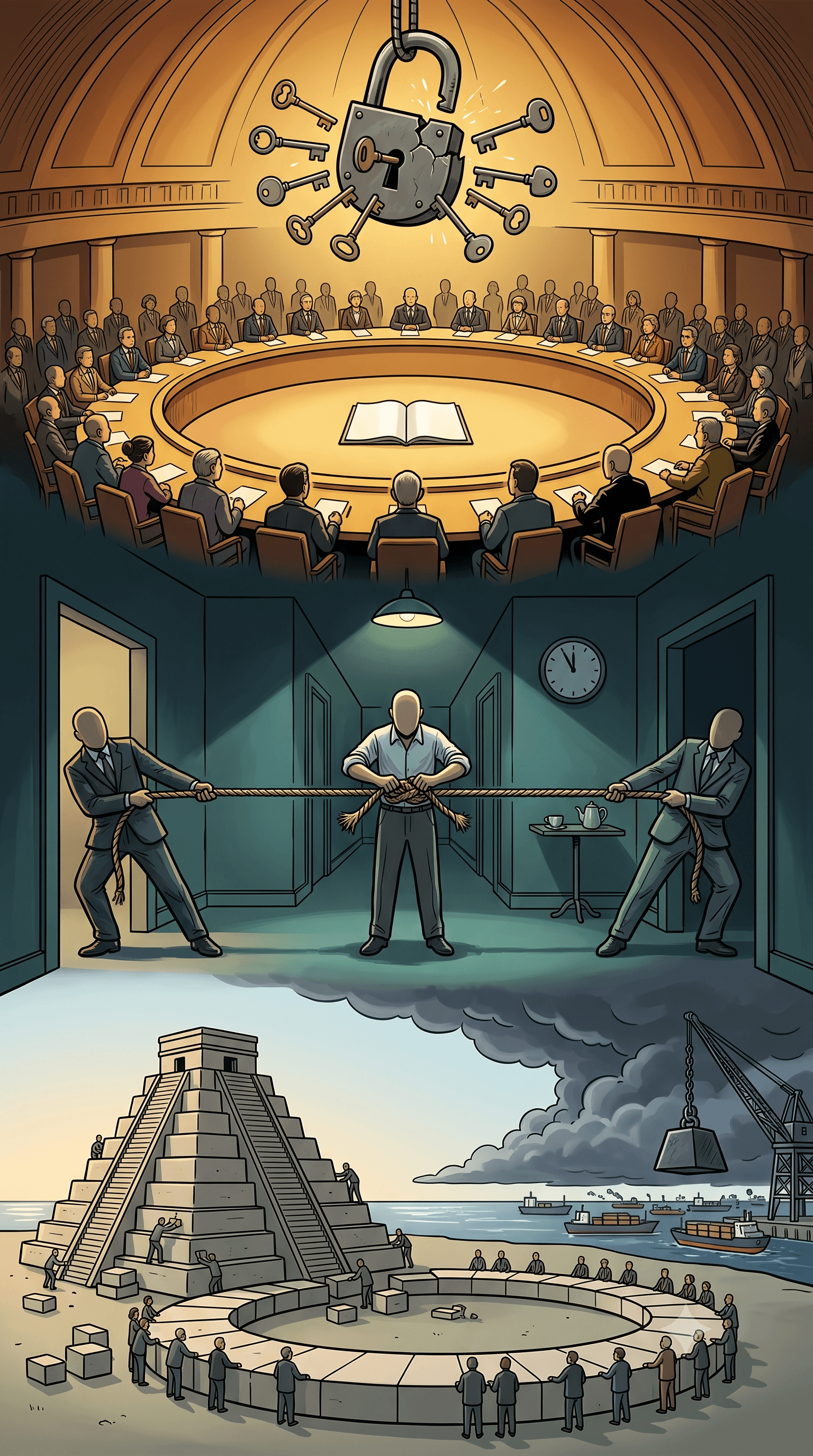
The UK government's swift denial of a "pause" does little to mask the profound difficulties the Chagos Islands deal currently faces. The legislation remains bottlenecked in Parliament, and the political climate in Washington has undeniably shifted. Prime Minister Keir Starmer's administration must now navigate a narrow diplomatic path: pacifying a volatile US President who views the treaty as a strategic surrender, managing an emboldened domestic opposition, and fulfilling its international legal commitments to Mauritius.
As discussions with American counterparts continue behind closed doors, the timeline for the treaty's ratification remains highly uncertain. Until Washington grants its unequivocal blessing, the historic handover of the Chagos Islands will likely remain in a state of political limbo, regardless of whether the government officially calls it a "pause."
#UKPolitics #ChagosIslands #DiegoGarcia #Geopolitics #USUKRelations #DonaldTrump #KeirStarmer #ForeignPolicy #Mauritius #GlobalSecurity #News #Diplomacy