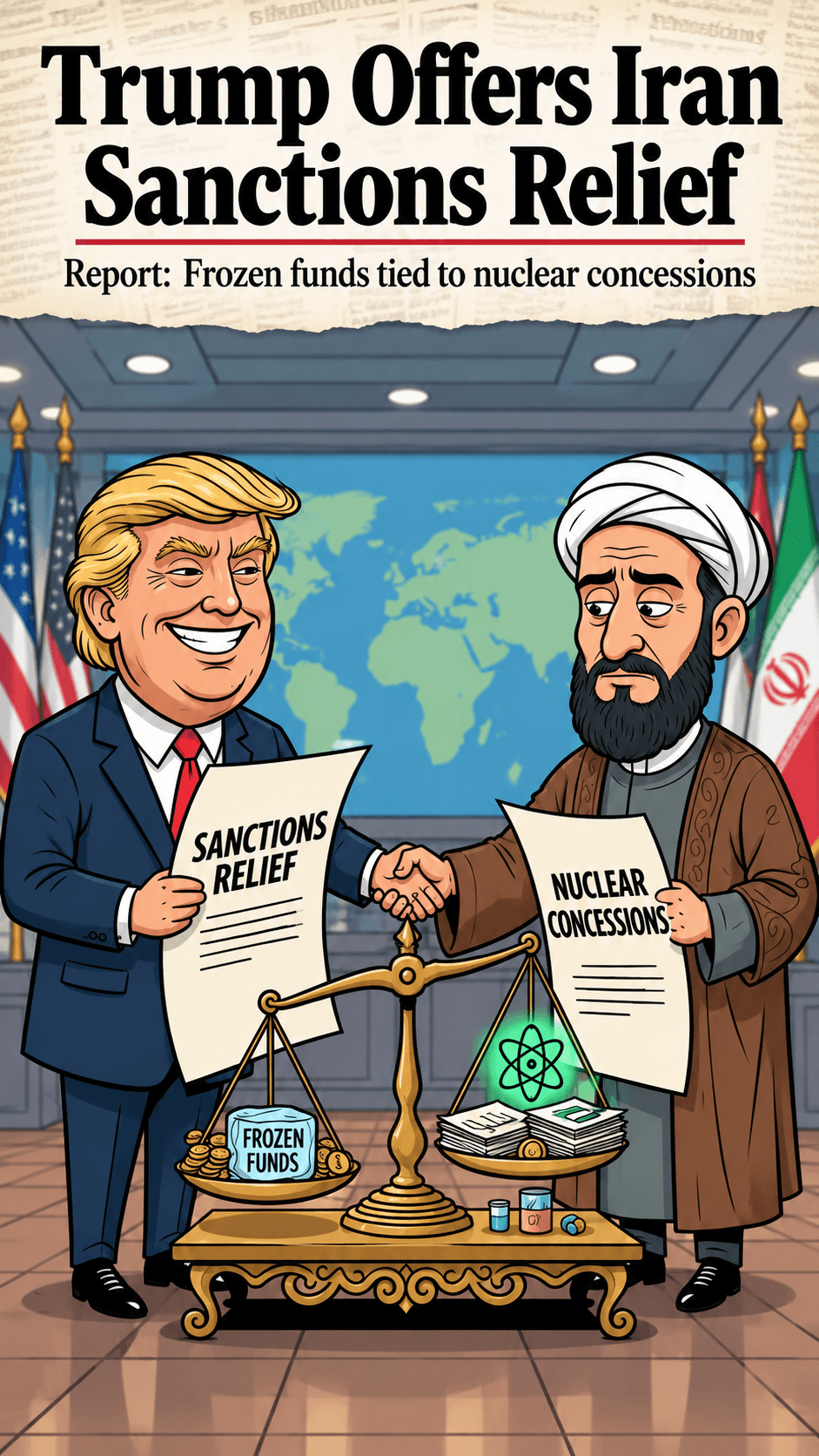
In a significant diplomatic development amidst an ongoing military standoff, US President Donald Trump is reportedly prepared to offer economic sanctions relief and authorize the release of frozen funds to Iran. This potential economic reprieve is strictly contingent upon Tehran making concrete, verifiable progress regarding its nuclear program, according to US officials who briefed American news outlets Axios and CNN on Monday.
As the seven-month-long US-Iran war continues to impact global markets and regional stability, these indirect negotiations represent a critical juncture. The emergence of these talks signals a potential shift in strategy from both Washington and Tehran, as international mediators work to find a middle ground between military escalation and economic devastation.
The Core of the Proposal: Sanctions Relief for Nuclear Commitments
According to reports citing senior US officials, Washington is currently engaged in "positive and constructive" discussions with Iran through third-party mediators. The crux of the American offer revolves around releasing billions in frozen Iranian assets and rolling back specific economic sanctions. In exchange, the Trump administration is demanding full resolution and concrete concessions on Iran's nuclear development.
However, major hurdles remain in finalizing any potential deal. Negotiators are currently grappling with the sequencing of these steps, specifically disagreeing over whether sanctions relief or Iranian nuclear commitments must happen first. US officials have firmly stated that they will not finalize any broader agreements—including potential cease-fires—unless their nuclear-related concerns are fully addressed.
Background: The Seven-Month War and the Strait of Hormuz
This diplomatic maneuvering does not exist in a vacuum; it occurs against the backdrop of a highly volatile seven-month conflict between the two nations. Just days prior to the news of this nuclear proposal, President Trump rejected a separate Iranian initiative aimed at de-escalating the immediate military hostilities.
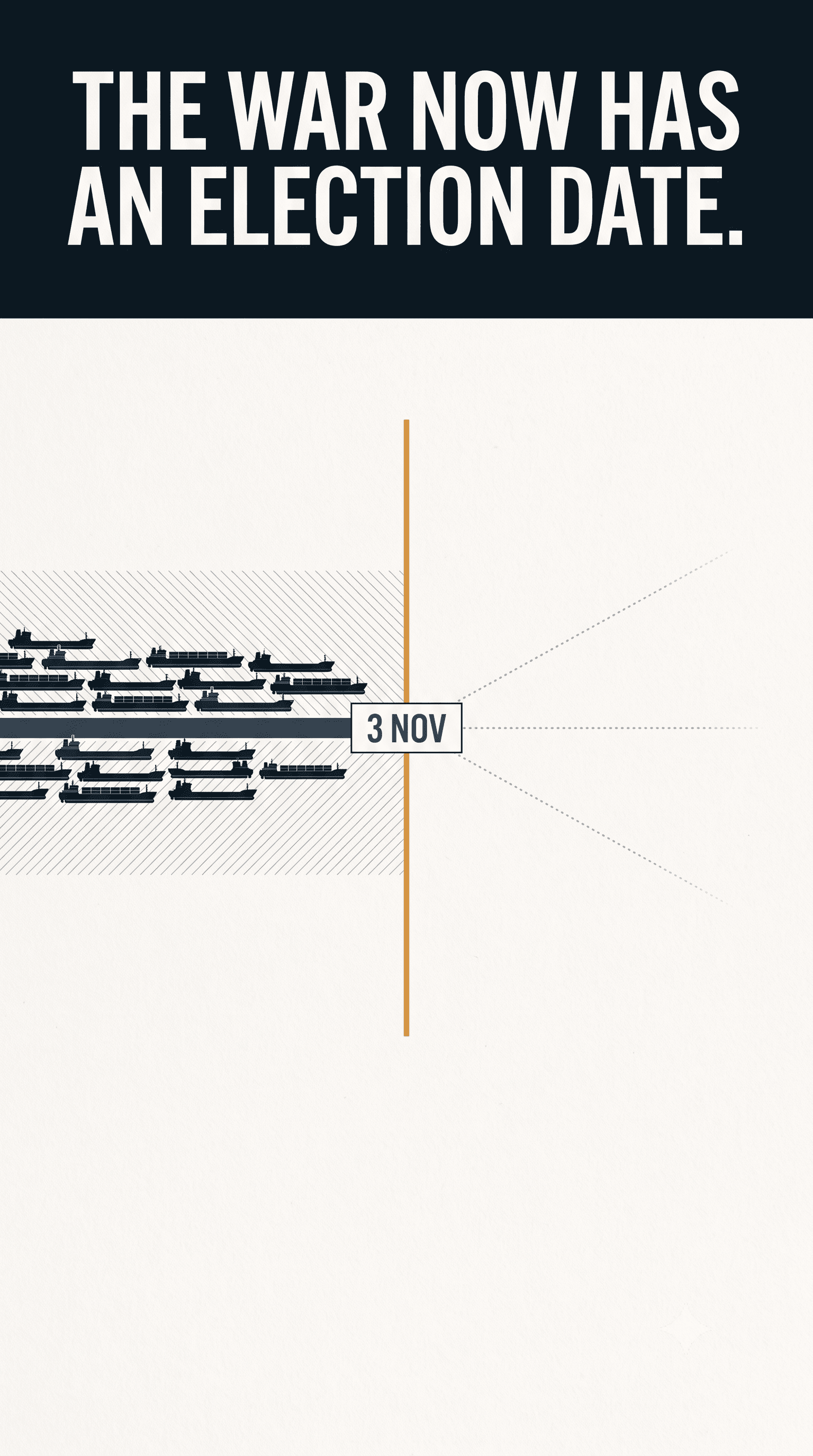
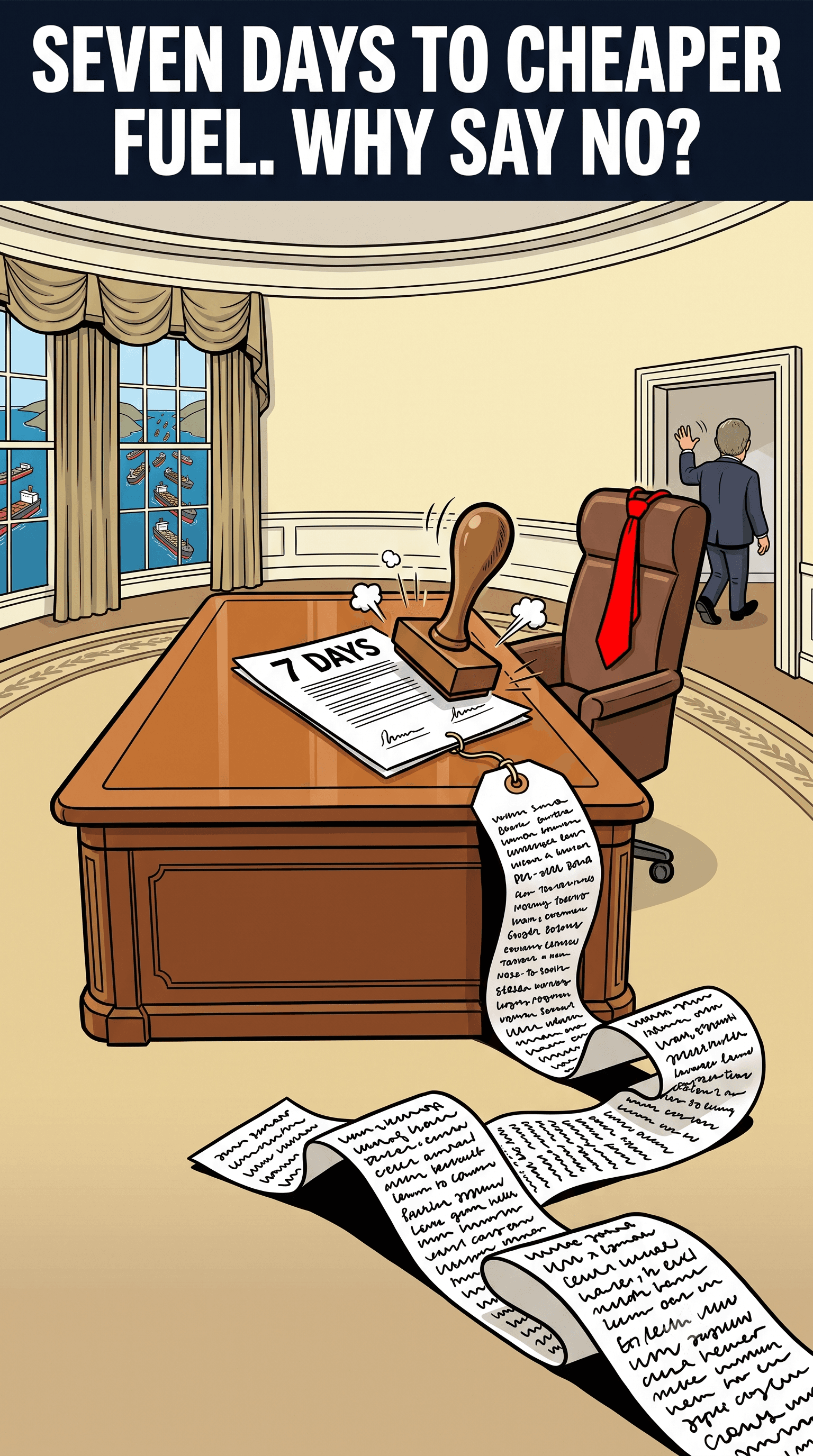
Over the weekend, Tehran proposed a seven-day cease-fire that would have theoretically reopened the strategic Strait of Hormuz to international shipping and effectively ended the ongoing US naval blockade of Iranian ports. President Trump dismissed the proposal, publicly stating that Tehran’s conditions were "unacceptable" and asserting that Iranian negotiators had "overplayed" their hand during these initial discussions.
Following the collapse of the temporary cease-fire proposal, mediators—as reported by The Wall Street Journal—began aggressively pressing Iran to make structural concessions on its nuclear program to jumpstart the stalled negotiations. This pivot from a simple cease-fire to a comprehensive nuclear negotiation underscores Washington's broader geopolitical objectives in the Middle East.
Tehran’s Response: Open to Diplomacy, Prepared for Conflict
The rhetoric coming from Tehran paints a dual picture of a nation willing to engage in backdoor diplomacy while simultaneously projecting military strength and readiness.
Iranian official Abbas Araghchi recently articulated this two-pronged approach, stating that Iran remains open to diplomatic solutions but is fully prepared for renewed, large-scale hostilities. "We are fully prepared for the war to be resumed. We stand firm in the face of any new aggression, even if it comes to a doomsday war," Araghchi stated in an interview with NBC’s Meet the Press. He added that Iran's focus is purely on its national interests, dismissing the relevance of US domestic political timelines, and ultimately placing the burden of choice on President Trump.
Simultaneously, hardline figures in Iran are issuing stark warnings. Mojtaba Khamenei recently delivered an aggressive public statement regarding US naval deployments, declaring that the enemy's forces do not dare venture beyond the Arabian Sea and warning that the region will soon be "purged of their presence".
Economic Implications: Global Oil Markets and Risk Premiums
The ongoing standoff and the blockades in the Middle East have injected severe volatility into the global economy, particularly the energy sector. The mere prospect of Trump offering Iran sanctions relief and a frozen funds release has kept financial markets on edge, as investors weigh the likelihood of a diplomatic breakthrough against the realities of a prolonged conflict.
Currently, thin commercial traffic through the highly contested Strait of Hormuz is keeping a sticky risk premium on global oil prices. Brent crude has fluctuated wildly, recently pushing above the $100 per barrel mark, which, combined with 10-year US Treasury yields hovering above 5%, is creating a dual stress test for global markets.
If a deal involving sanctions relief and the unfreezing of Iranian funds is reached, it could theoretically lead to increased Iranian oil exports, stabilizing prices. Conversely, if negotiations collapse and the US blockade remains firm, the energy supply chain will continue to face severe bottleneck pressures. International currency markets are also reacting, with the USD/INR exchange rate reportedly moving in lockstep with these shifting oil prices as the global focus shifts intently toward the US-Iran negotiations.
Outlook and Impact Analysis
The coming weeks are poised to be definitive for US-Iran relations. The Trump administration's offer to exchange sanctions relief and frozen funds for concrete nuclear concessions presents a narrow but viable off-ramp for both nations.
For Washington, securing verifiable restraints on Iran's nuclear ambitions would represent a major foreign policy victory. For Tehran, accessing frozen funds and achieving sanctions relief is vital to stabilizing an economy battered by months of blockades and prolonged international isolation.
However, the path forward is fraught with obstacles. The deeply ingrained mistrust between the two sides, the ongoing military posturing in the Arabian Sea, and the fundamental disagreement over whether sanctions relief or nuclear compliance should come first threaten to derail the fragile progress made by intermediaries. The international community—and the highly sensitive global energy markets—will be watching closely to see if this diplomatic window leads to a durable de-escalation or simply serves as a brief pause in a protracted geopolitical conflict.