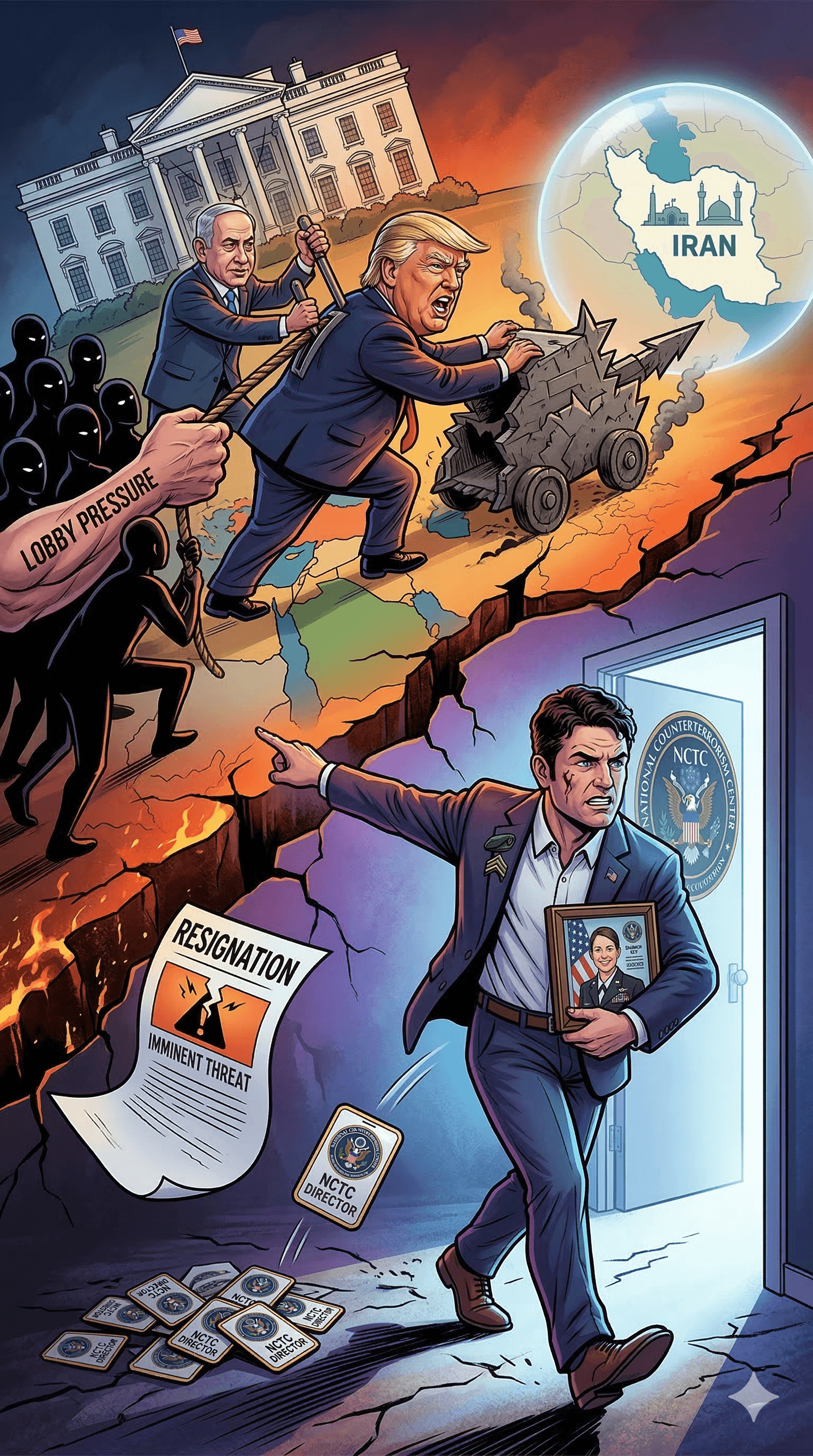
WASHINGTON, D.C. — In a significant blow to the Trump administration's foreign policy apparatus, Joe Kent, the Director of the United States National Counterterrorism Center (NCTC), resigned from his post on Tuesday. In a blistering public letter, Kent cited his fundamental opposition to the ongoing US military involvement in Iran, explicitly stating that the conflict was initiated under "pressure from Israel and its powerful American lobby."
Kent’s departure marks the first high-profile exit from the administration since the United States and Israel launched joint military operations against Iran on February 28, 2026. As the official tasked with advising both President Donald Trump and the Director of National Intelligence on global terror threats, Kent's assertion that Iran posed "no imminent threat" directly challenges the administration's legal and strategic justification for the war.
High-Profile Exit Rocks the Trump Administration
Joe Kent is no stranger to the realities of combat or the intricacies of US foreign policy. A former Green Beret with 11 combat deployments and a veteran of the Central Intelligence Agency, Kent was confirmed by the Senate to lead the National Counterterrorism Center in July 2025. The NCTC operates under the Office of the Director of National Intelligence (ODNI), which is currently led by Tulsi Gabbard.
Beyond his professional credentials, Kent is a Gold Star husband. His late wife, Shannon Kent, was a highly decorated Navy cryptologic technician who was killed in a suicide bombing in Manbij, Syria, in 2019. Kent referenced this deeply personal loss in his resignation, framing his opposition to the Iran war as a principled stand against unnecessary foreign conflicts.
"As a veteran who deployed to combat 11 times and as a Gold Star husband who lost my beloved wife Shannon in a war manufactured by Israel, I cannot support sending the next generation off to fight and die in a war that serves no benefit to the American people nor justifies the cost of American lives," Kent stated in his resignation letter, which was posted publicly on the social media platform X.
The Resignation Letter: Allegations of Misinformation and Lobbying
The core of Kent’s resignation rests on the allegation that the Trump administration was misled into launching a war that contradicts the president's own "America First" platform.
In his letter addressed to President Trump, Kent praised the president's previous foreign policy track record, particularly during his first term. He commended Trump for his decisive military actions, such as the assassination of Iranian General Qasem Soleimani and the defeat of ISIS, while managing to avoid being drawn into "never-ending wars."
However, Kent alleged a stark shift in the administration's trajectory leading up to the February 2026 conflict. "Early in this administration, high-ranking Israeli officials and influential members of the American media deployed a misinformation campaign that wholly undermined your America First platform and sowed pro-war sentiments to encourage a war with Iran," he wrote.
Kent further claimed that this "echo chamber" deceived the president into believing that a preemptive strike would result in a swift and easy victory. He likened the situation to the intelligence failures and political maneuvering that led to the Iraq War, warning that the United States cannot afford to make the same mistake twice.
Debating the "Imminent Threat" Standard
One of the most legally and politically explosive elements of Kent’s letter is his repeated use of the phrase "imminent threat."
"I cannot in good conscience support the ongoing war in Iran," Kent wrote. "Iran posed no imminent threat to our nation, and it is clear that we started this war due to pressure from Israel and its powerful American lobby."
Under US law and international legal frameworks, establishing an "imminent threat" is generally a prerequisite for a president to launch military strikes against a sovereign nation without prior congressional approval. By publicly stating that the intelligence community's top counterterrorism official saw no such threat, Kent has provided significant ammunition to lawmakers—both Democrats and non-interventionist Republicans—who have questioned the legality and strategic wisdom of the February 28 offensive.
Background: The US-Iran Conflict and Domestic Pushback
The ongoing joint US-Israel military campaign against Iran has sharply divided Washington. While traditional defense hawks have rallied behind the effort to neutralize Iran’s military capabilities and its controversial nuclear program, a growing faction of the Republican Party has voiced dissent.
Many conservatives align with the "America First" ideology that Trump championed during his 2016, 2020, and 2024 campaigns, which advocates for a restrained foreign policy and a reduction of US military footprints in the Middle East. Kent’s resignation brings this ideological rift within the administration and the broader Republican base into stark relief.
Before his appointment to the NCTC, Kent ran two unsuccessful campaigns for Congress in Washington state, where he frequently espoused anti-interventionist views. Despite facing opposition during his confirmation process over his past political associations, he was largely viewed as an intelligence chief who shared the president's initial skepticism of foreign entanglements.
As of late Tuesday, neither the White House nor Director of National Intelligence Tulsi Gabbard has issued a formal response to Kent’s resignation or the severe allegations outlined in his letter.
Implications for US Foreign Policy
Kent’s departure and his explicit naming of "Israel pressure" and the "American lobby" bring long-simmering debates about the US-Israel alliance into the open. It is highly unusual for a sitting US intelligence director to publicly accuse a close ally of deploying a "misinformation campaign" to manipulate American military actions.
This development is likely to complicate diplomatic relations and could embolden critics of the war who argue that US foreign policy in the Middle East is disproportionately influenced by external stakeholders. Furthermore, it raises critical questions about the internal consensus within the US intelligence community regarding the current threat matrix posed by Tehran.
Economic and Geopolitical Outlook
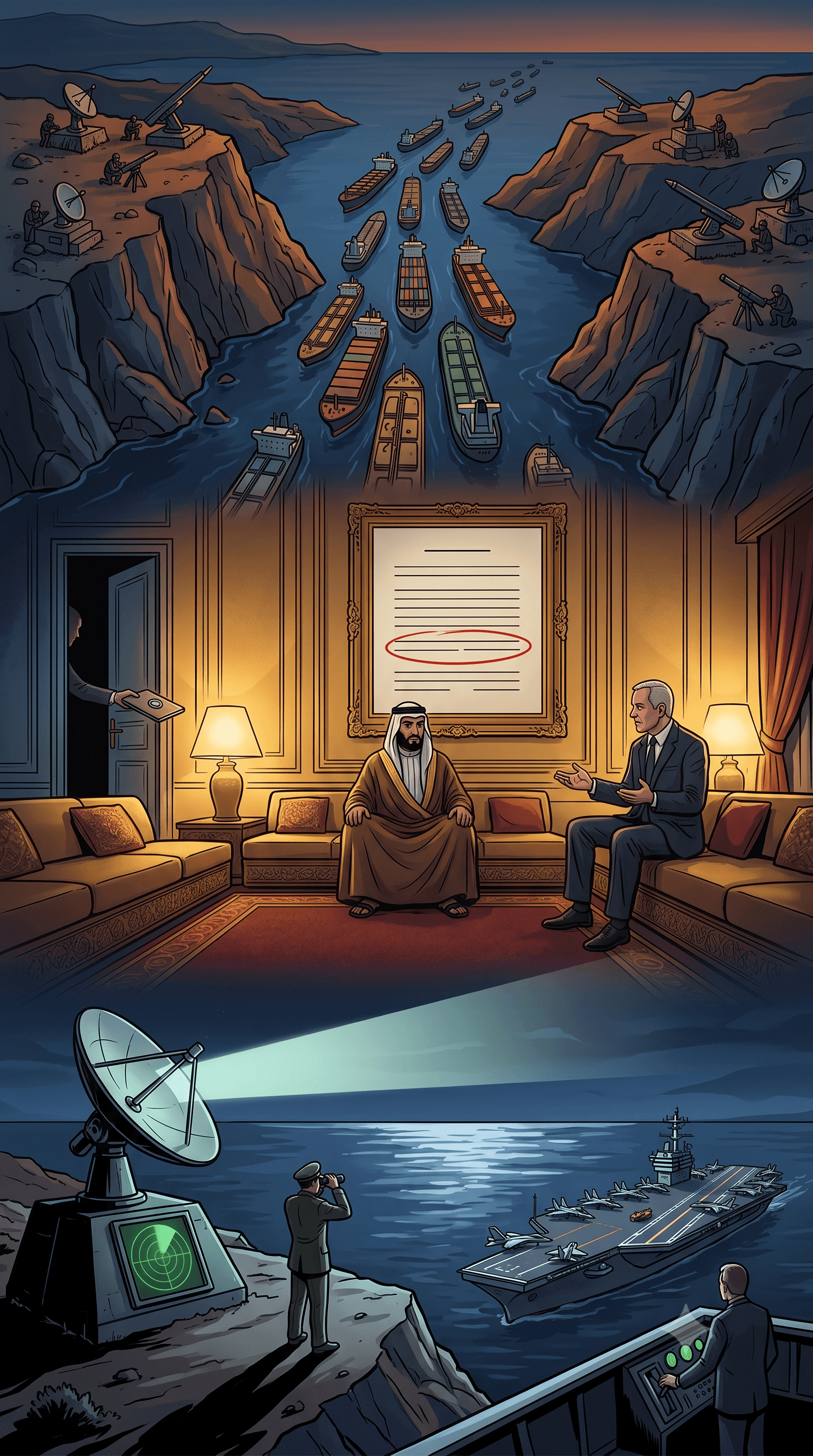
The continuation of the US-Iran conflict has already sent shockwaves through global markets, particularly in the energy sector. Tensions in the Strait of Hormuz—a crucial chokepoint for global oil shipments—remain at a peak, with shipping lanes operating under the constant threat of military escalation.
Looking ahead, Joe Kent’s resignation is likely to trigger congressional inquiries into the intelligence that preceded the February 28 strikes. If lawmakers determine that the threat assessment was flawed or politically motivated, the Trump administration could face immense bipartisan pressure to de-escalate the conflict. For now, the war against Iran continues, but the administration must now navigate the geopolitical fallout of a war effort that its own counterterrorism chief has publicly condemned.
#USPolitics #JoeKent #IranWar #MiddleEastConflict #DonaldTrump #Geopolitics #Counterterrorism #USForeignPolicy #Israel #NationalSecurity #AmericaFirst