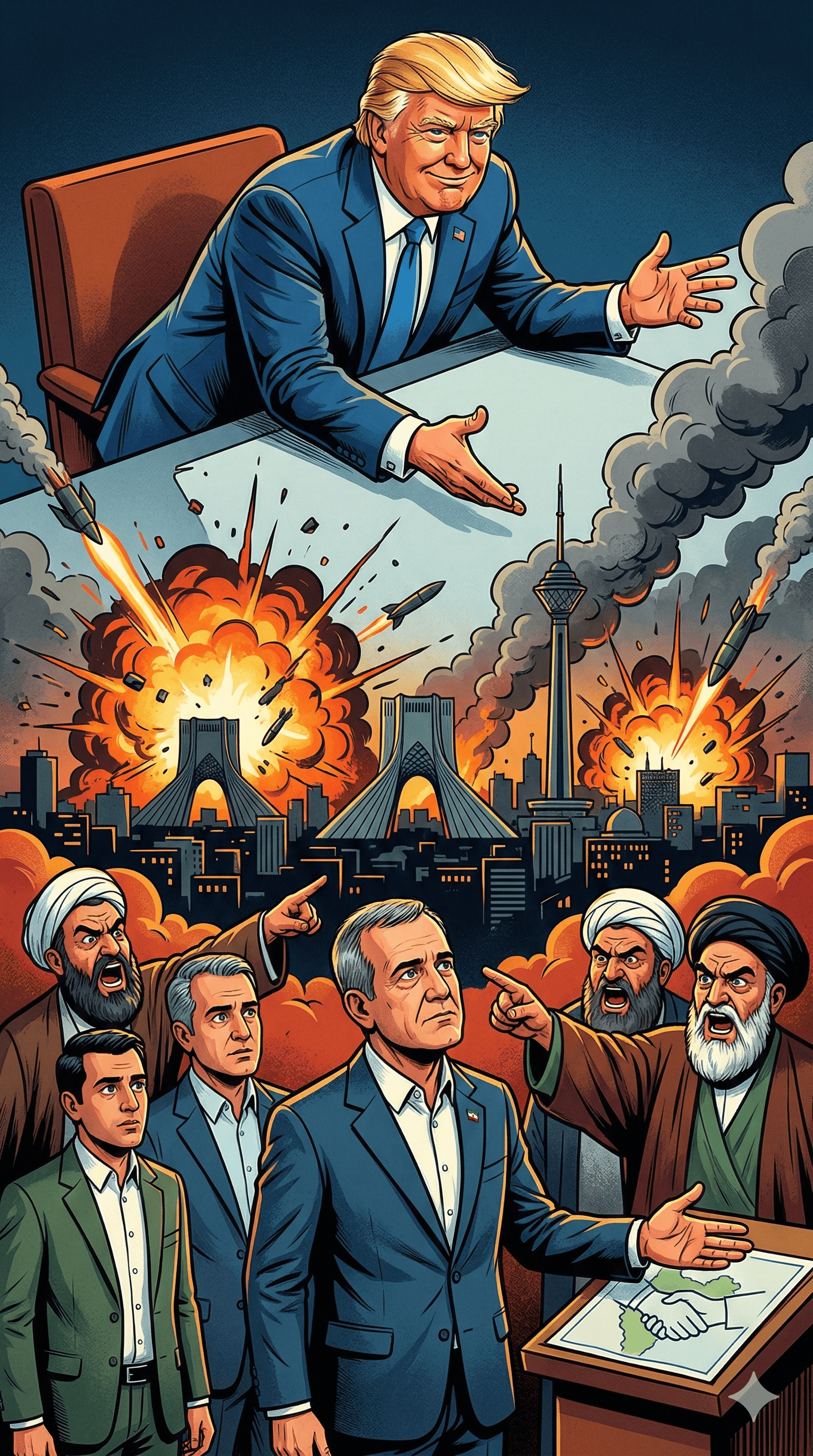
The Middle East is navigating an unprecedented geopolitical crisis following a massive, coordinated military offensive by the United States and Israel against the Islamic Republic of Iran. Dubbed “Operation Epic Fury,” the weekend assault triggered several powerful blasts in Tehran and severely degraded Iran’s core political and military infrastructure. Following the confirmed death of Supreme Leader Ayatollah Ali Khamenei and sweeping casualties among top Iranian officials, U.S. President Donald Trump has announced his willingness to enter negotiations with Iran’s newly formed interim leadership council.
As the Iran Israel war live updates continue to dominate global headlines, the situation remains highly volatile, marked by intense Iranian retaliatory strikes across the Gulf and widespread disruptions to international travel and markets.
Operation Epic Fury: Powerful Blasts Rock Tehran
In the early hours of the weekend, a series of powerful blasts were heard in Tehran as U.S. and Israeli forces executed a heavy bombardment of Iranian military, naval, and leadership targets. The joint operation aimed to neutralize Iran's nuclear infrastructure and dismantle its broader military capabilities.
According to statements made by President Trump, the strikes dealt a catastrophic blow to the Iranian regime, eliminating at least 48 high-ranking leaders in a single coordinated effort. Iranian state television later confirmed the deaths of several key figures alongside Khamenei, including General Mohammad Pakpour, commander of the Islamic Revolutionary Guard Corps (IRGC) ground forces, and Ali Shamkhani, a senior security adviser.
The military intervention has not come without a heavy cost. U.S. Central Command confirmed that three American service members were killed in action and five others were seriously wounded during the operation, marking a somber milestone in the escalating Middle East conflict.
"They Want to Talk": Trump Agrees to Dialogue with Iran's New Leadership
Despite the fierce military confrontation, an unexpected diplomatic channel appears to be opening. In a recent interview with The Atlantic from his Florida residence, President Trump revealed that Tehran had reached out for negotiations.
“They want to talk, and I have agreed to talk, so I will be talking to them,” Trump stated. However, he offered a blunt assessment of the timing, criticizing the Iranian regime for its previous diplomatic stalling. “They should have done it sooner. They should have given what was very practical and easy to do sooner. They waited too long.”
Trump notably highlighted that many of the Iranian officials the U.S. had previously negotiated with were killed in the recent bombardments. When pressed on the timing of these new talks, the President remained noncommittal.
In the vacuum left by Khamenei’s assassination, Iran's new leadership has scrambled to maintain stability. Iranian President Masoud Pezeshkian announced the formation of a temporary leadership council—comprising himself, the head of the judiciary, and a jurist from the powerful Guardian Council—to temporarily assume the duties of the Supreme Leader. The country has declared a 40-day period of national mourning, though domestic reactions remain deeply polarized, with reports of both widespread grief and celebratory demonstrations in the streets of Tehran.
Iran Retaliates: Unprecedented Strikes Across the Middle East
Framing the U.S.-Israel strikes as an existential threat, Tehran swiftly unleashed a wave of retaliatory drone and ballistic missile attacks targeting American and allied assets across the region. Iranian security chief Ali Larijani vowed that the regime would strike back “with a force never seen before.”
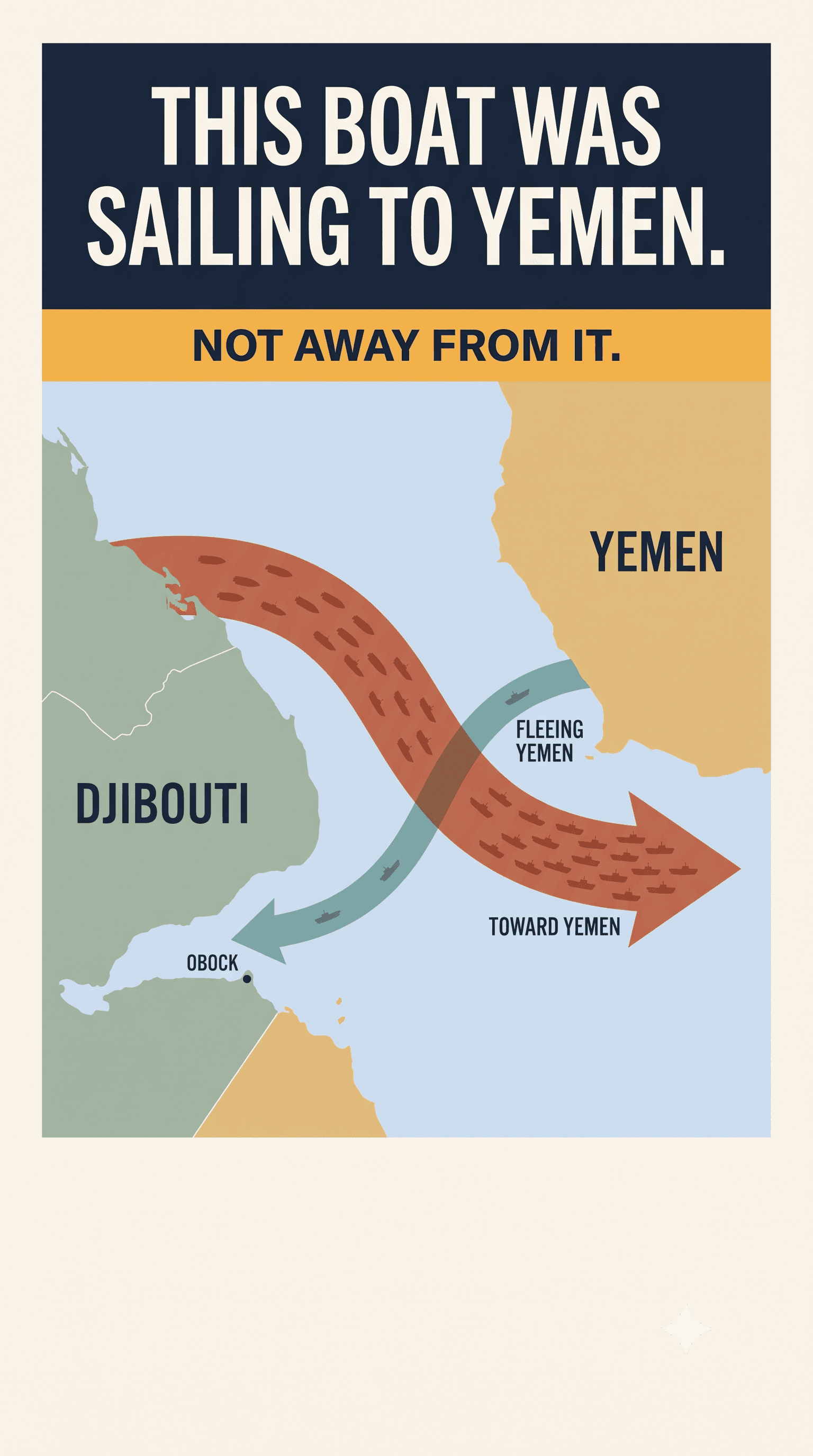
The fallout has directly impacted neighboring Gulf states. Explosions and drone interceptions have been reported in Dubai, Doha, and Manama. Bahrain’s U.S. Navy Fifth Fleet headquarters and Kuwait’s international airport were specifically targeted by the Iranian barrage. Yemen’s Iran-backed Houthi rebels have also pledged to escalate their attacks on Red Sea shipping lanes and Israeli territory.
These strikes place Gulf Arab states in an increasingly impossible geopolitical position. Having spent recent years cultivating a fragile détente with Tehran, countries like the UAE and Saudi Arabia now find themselves caught in the crossfire between an aggressive Washington-led campaign and a cornered, heavily armed Iranian regime.
Geopolitical and Economic Context: The Collapse of Diplomacy
The roots of "Operation Epic Fury" lie in the rapid deterioration of diplomatic efforts. Last week, a critical round of indirect U.S.-Iran nuclear talks concluded inconclusively in Geneva. While Omani mediators signaled that Tehran was willing to make concessions regarding its uranium enrichment stockpiles, the fundamental impasse remained unbridgeable: the U.S. demanded the complete dismantling of Iran’s proxy network and ballistic missile programs, lines Tehran refused to cross.
President Trump’s decision to launch the strikes represents a dramatic escalation of his "maximum pressure" campaign, fundamentally shifting the confrontation from proxy skirmishes to direct, decapitating warfare.
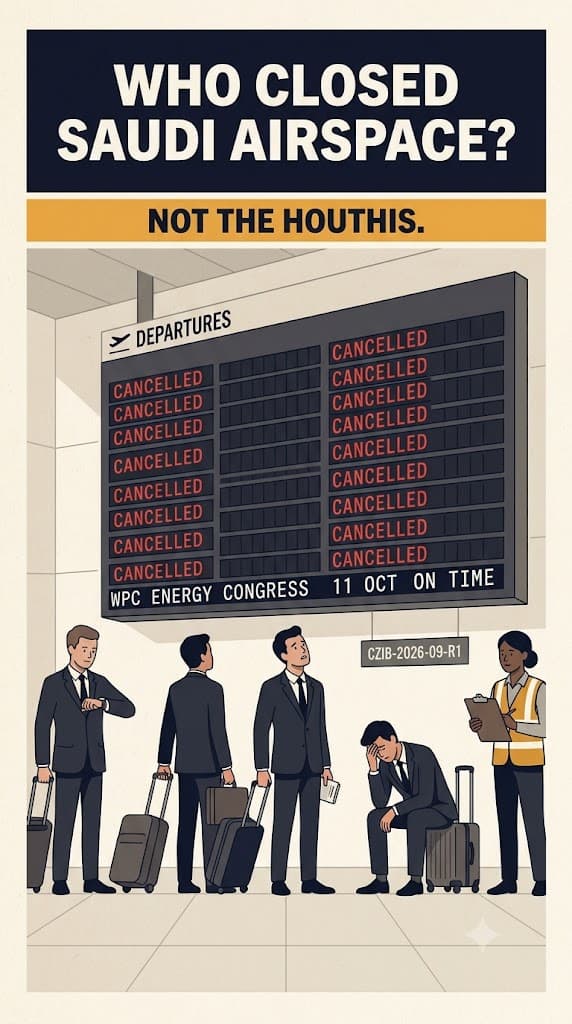
The immediate economic and logistical impacts have been severe. Fearing further missile exchanges, multiple Middle Eastern nations have closed their airspace. Major global carriers, including Emirates, Air France, and Lufthansa, have suspended operations and canceled flights, stranding thousands of passengers and creating global travel chaos. Energy markets are also bracing for massive volatility as analysts warn of potential disruptions to the Strait of Hormuz, a critical chokepoint for global oil supplies.
Impact and Outlook: What Comes Next?
The U.S.-Israel strikes on Iran represent a historical turning point for the Middle East. While "Operation Epic Fury" has successfully disrupted Iran's current command structure, the region now teeters on the edge of a broader, prolonged war.
The coming days will be critical. The world will be watching to see if the newly proposed dialogue between President Trump and Iran's interim leadership council can materialize into a tangible ceasefire, or if the ongoing Iranian retaliatory strikes will provoke an even more devastating response from Washington and Israel. The balance of power in the Middle East has been permanently altered, and the geopolitical shockwaves will be felt globally for years to come.
#Geopolitics #News #IranIsraelWar #MiddleEastConflict #OperationEpicFury #DonaldTrump #AyatollahKhamenei #GlobalEconomy #ForeignPolicy #TehranBlasts