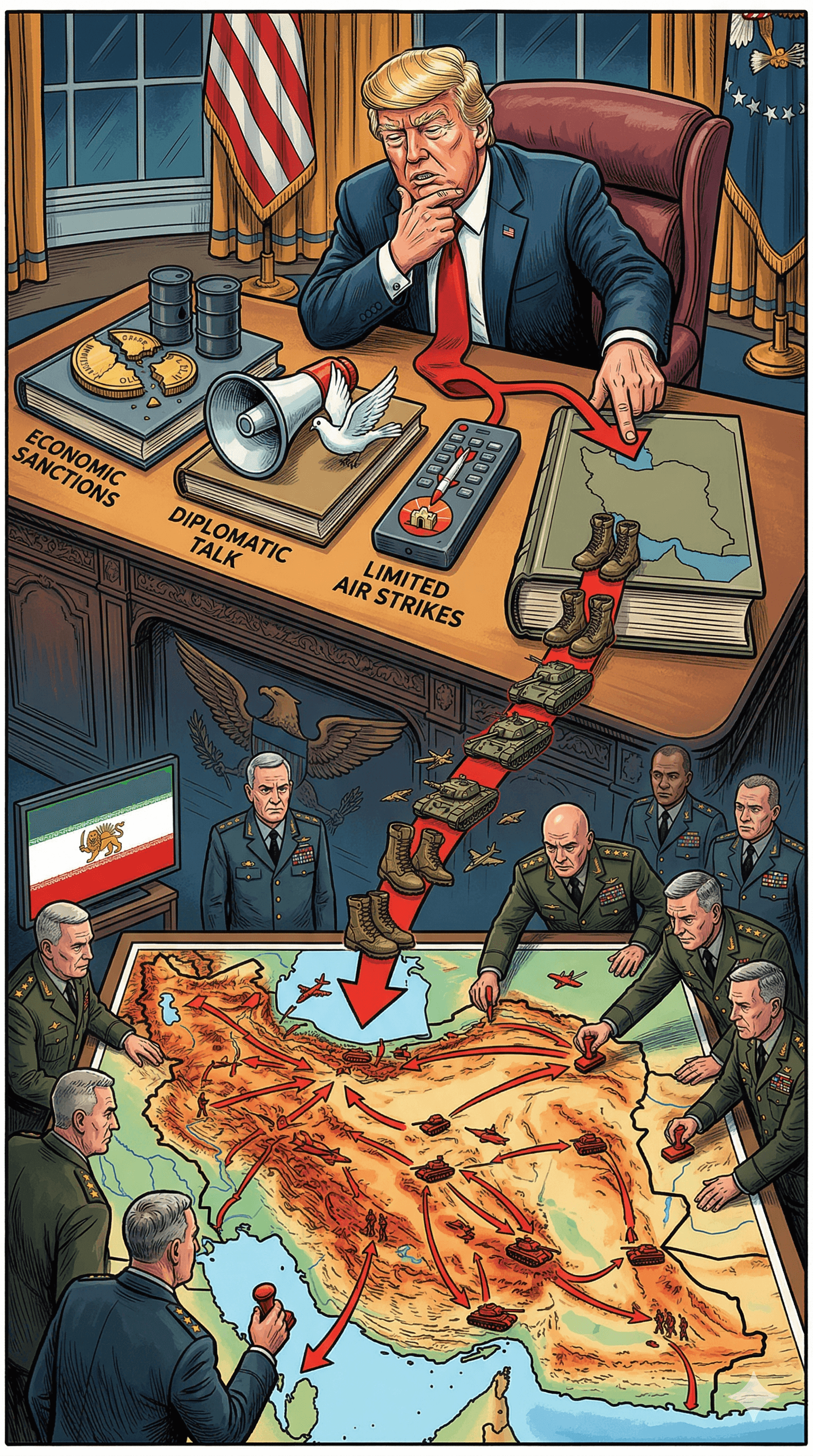
WASHINGTON — As "Operation Epic Fury" enters its third week, the geopolitical landscape in the Middle East has reached a critical flashpoint. Following weeks of intense aerial and naval bombardment in the U.S.-Israeli war against Iran, new reports indicate that the Pentagon is actively drawing up detailed plans for a potential U.S. ground invasion. While President Donald Trump has publicly downplayed the likelihood of deploying troops into Iranian territory, the rapid repositioning of thousands of U.S. Marines and a massive new military funding request suggest the administration is preparing for all eventualities.
The conflict has already triggered severe disruptions in global energy markets, pushed crude oil prices to multi-year highs, and sparked fierce debate in Congress over the financial and human costs of a prolonged war.
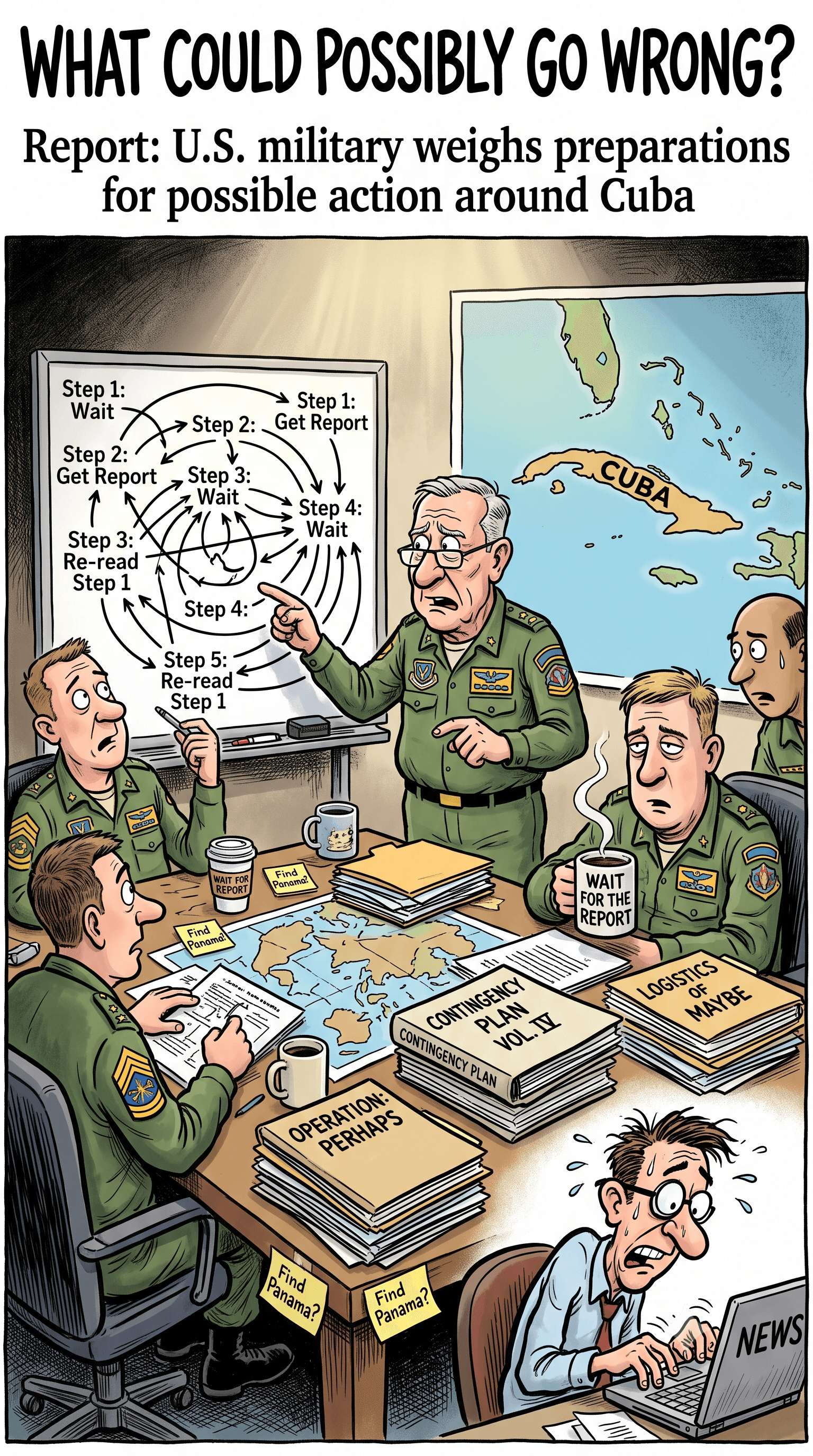
Pentagon Prepares "Maximum Optionality"
According to recent reports citing multiple sources briefed on the discussions, senior U.S. military commanders have submitted highly specific preparation requests aimed at giving the White House the option to deploy ground forces. This planning phase reportedly includes extensive logistical preparations, troop positioning strategies, and even detailed protocols for the potential detention of Iranian soldiers and paramilitary operatives.
The units reportedly involved in these contingency plans include the Army’s Global Response Force, the Marine Corps’ Marine Expeditionary Unit, and elements of the 82nd Airborne Division. To support these growing requirements, an expeditionary unit of roughly 2,500 Marines departed from San Diego this week aboard three ships—the amphibious assault ship USS Boxer and the amphibious transport docks USS Portland and USS Comstock. These forces will join the approximately 50,000 U.S. service members already stationed in the broader Middle East.
Publicly, the administration is walking a tightrope. When asked about a potential ground invasion, President Trump stated in the Oval Office, "No, I'm not putting troops anywhere," adding cryptically, "If I were, I certainly wouldn't tell you." White House Press Secretary Karoline Leavitt reinforced this stance, explaining that the Pentagon's job is to "make preparations in order to give the Commander in Chief maximum optionality," emphasizing that no final decision has been made.
The Scope of Operation Epic Fury
The U.S. military campaign against Iran has been characterized by its massive scale. Since late February, U.S. forces have carried out more than 7,800 strikes, severely damaging over 120 Iranian vessels and targeting missile facilities and defense infrastructure. The stated objective, according to administration officials, is to dismantle Iran's military-industrial base and naval capabilities.
However, the U.S. has not emerged unscathed. The Pentagon has confirmed the deaths of 13 U.S. troops since the conflict began, with approximately 200 wounded. Furthermore, Iran has shifted to asymmetric warfare and retaliatory strikes across the Gulf, demonstrating an enduring capacity to hit regional targets despite the heavy bombardment.
Economic Shockwaves and the Hormuz Crisis
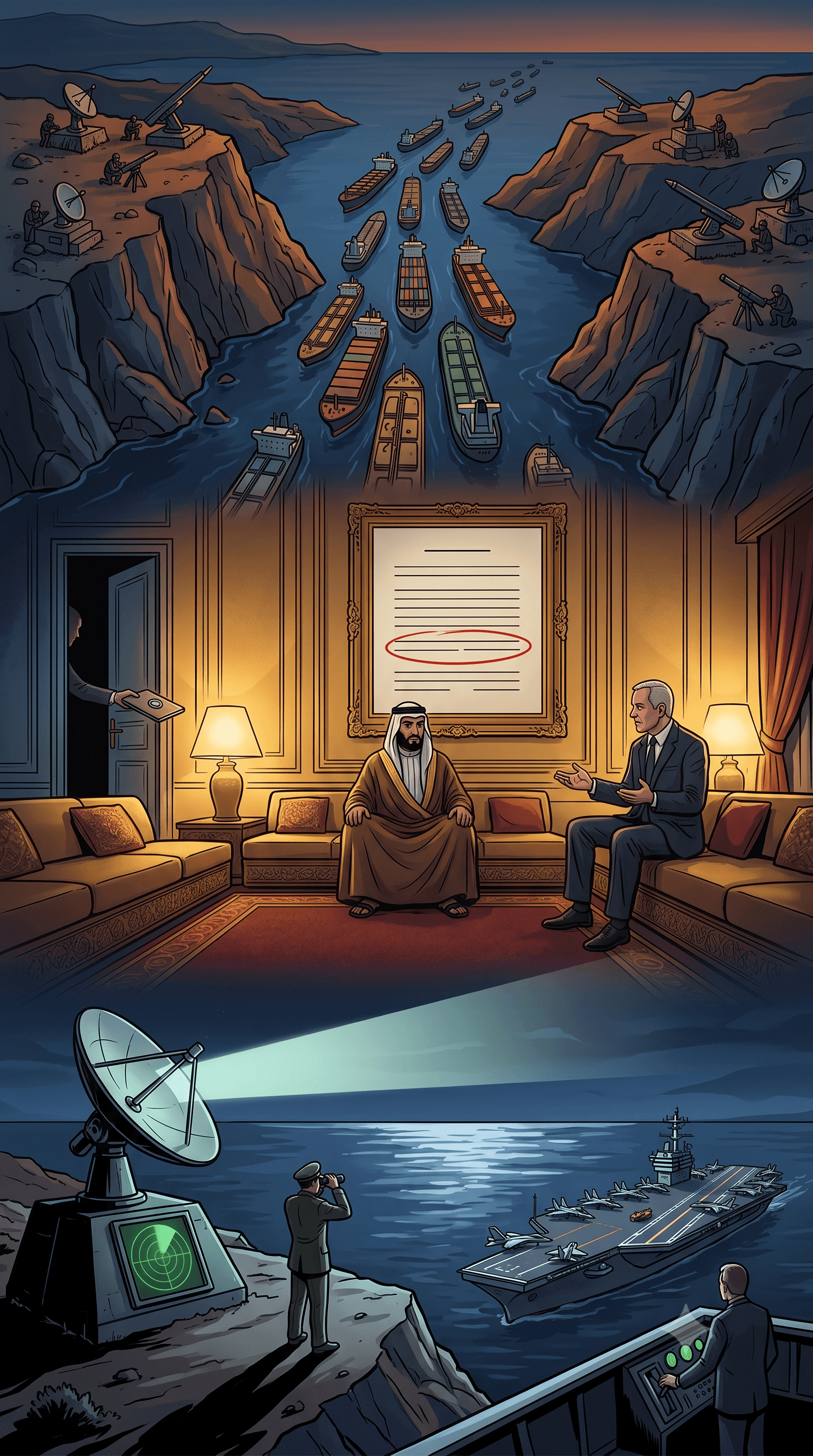
The ripple effects of the war are being acutely felt in global energy markets. In response to U.S. and Israeli strikes—including an assault on Iran's Kharg Island, a hub handling 90% of the country's oil exports—Tehran has effectively restricted access to the strategic Strait of Hormuz.
This disruption has sent immediate shockwaves through the global supply chain. Brent crude briefly surged past $119 per barrel, nearing multi-year highs amid fears of prolonged instability. The average price of gasoline in the United States is rapidly approaching $4 per gallon, creating domestic economic pressure for the Trump administration.
Furthermore, Iran has expanded its target list, striking regional energy infrastructure in neighboring nations. Recent attacks hit Qatar's Ras Laffan Industrial City, a vital node for natural gas, and prompted the United Arab Emirates to initiate emergency shutdowns of key gas operations. In response, Washington has approved a $16.46 billion military sales package to the UAE and Kuwait to bolster the defense capabilities of its Gulf allies.
The $200 Billion Question in Congress
As the Pentagon widens its military options, the financial toll of Operation Epic Fury is coming under intense scrutiny. The Department of Defense is reportedly preparing a request for over $200 billion in supplemental funding from Congress to sustain ongoing operations.
This massive request has already met fierce resistance on Capitol Hill. Lawmakers have pointed out that at the height of the Iraq War, combat operations cost roughly $140 billion annually. "If the Pentagon is asking for $200 billion, they are asking for a long war," Senator Ruben Gallego (D-Ariz.) stated publicly regarding the funding push. "The answer is a simple no."
Securing the 60 votes necessary to pass such a supplemental funding package in the Senate will require bipartisan support, which appears highly uncertain given the domestic unpopularity of escalating the conflict into a ground war.
Strategic Outlook and Risks
Military strategists warn that any ground operation, particularly one aimed at occupying strategic assets like Kharg Island or clearing the Strait of Hormuz, carries extraordinary risk. The terrain, combined with Iran's sophisticated use of proxy militias, drones, and asymmetric naval tactics, echoes the prolonged and devastating nature of historical conflicts in the region.
While the Trump administration maintains that its current aerial and naval strategies are severely degrading Iranian capabilities, the conflict's expansion into neighboring energy sectors and the active preparation for ground deployments signal that a quick resolution is unlikely. As the U.S. builds its troop presence and readies contingency plans, the international community watches closely, bracing for what could become a defining, and deeply destabilizing, global crisis.