In a significant escalation of economic and diplomatic hostilities, the Chinese government has officially rejected a new wave of United States sanctions targeting its domestic oil sector. On Saturday, May 2, 2026, Beijing's Commerce Ministry announced that it will categorically refuse to comply with US sanctions imposed against five Chinese refining firms. These companies were penalized by Washington for allegedly purchasing billions of dollars worth of petroleum from Iran.
The diplomatic standoff highlights a fundamental clash between the US strategy of "maximum pressure" intended to cripple Iran's wartime economy, and China's insistence on maintaining an independent, multipolar economic order free from what it views as Western interference. This development occurs against the highly volatile backdrop of the ongoing conflict between the US-Israel alliance and Iran.
The Core Dispute: Unilateral Measures vs. Sovereign Trade
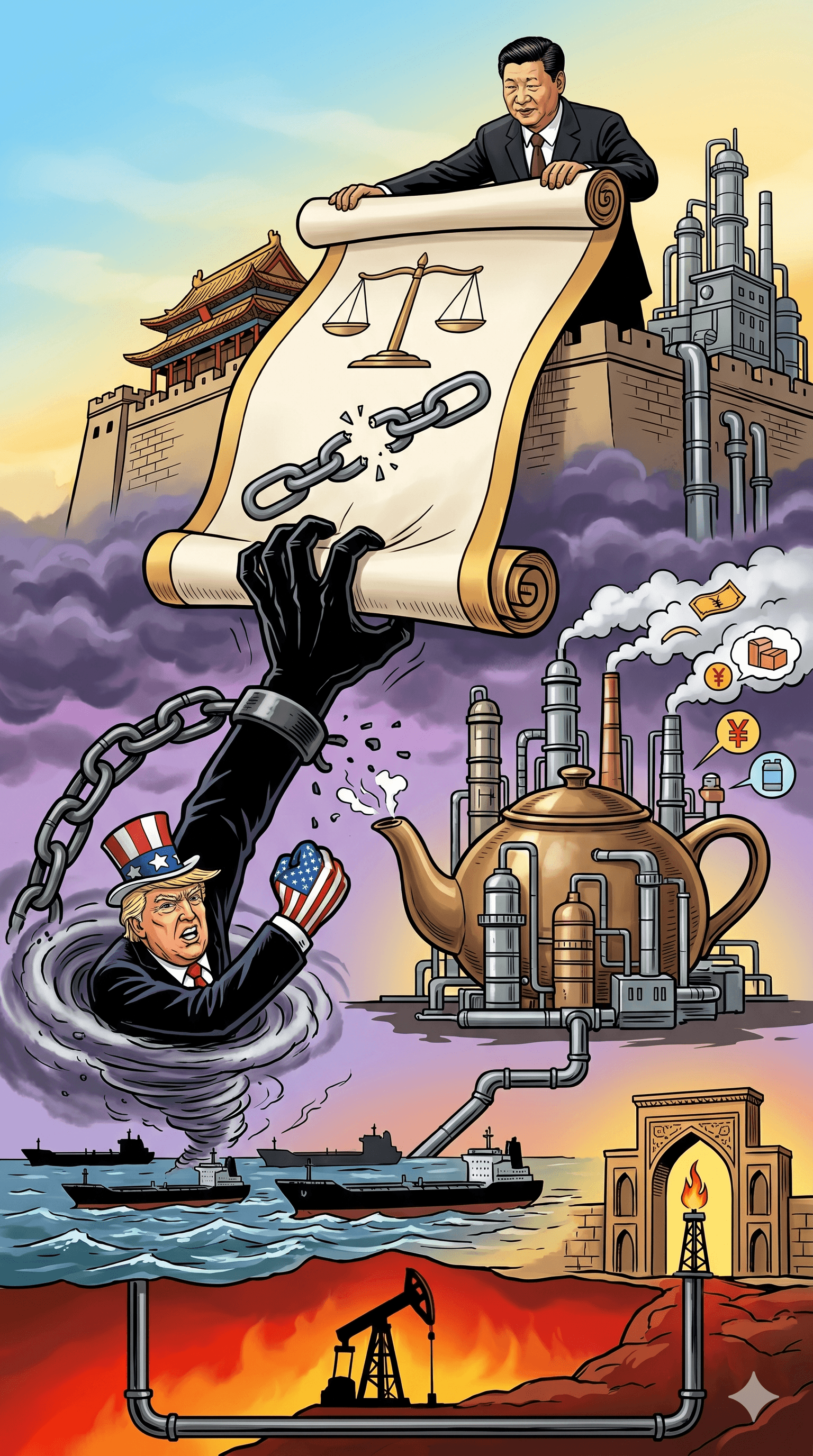
The core of the dispute centers around Washington's attempt to choke off revenue to Tehran. The US Treasury Department recently ramped up its financial penalties, specifically targeting independent Chinese oil processors. In a direct and forceful response, China's Commerce Ministry issued an injunction specifically stating that the US measures "shall not be recognised, implemented, or complied with".
Beijing’s formal statement argued that the sanctions "improperly prohibit or restrict Chinese enterprises from conducting normal economic, trade and related activities with third countries". Furthermore, Chinese officials stated that these measures violate international law and the fundamental norms governing international relations. The Chinese government maintains a consistent policy of opposing unilateral sanctions that lack authorization from the United Nations.
Chinese Foreign Ministry spokesperson Lin Jian also addressed the issue, urging Washington to halt its "wrongful practice of abusing sanctions" and the "indiscriminate application" of these economic weapons.
The Target: China's "Teapot" Refineries and the 5 Targeted Firms
China remains a pivotal customer for Iranian oil, executing much of this trade through independent refining companies colloquially known as "teapots". These specialized facilities rely heavily on the continuous supply of discounted crude oil originating from the Islamic Republic.
The recent US sanctions targeted five specific entities:
Shandong Jincheng Petrochemical Group
Shandong Shouguang Luqing Petrochemical
Shandong Shengxing Chemical
Hengli Petrochemical (Dalian) Refinery
Hebei Xinhai Chemical Group
The inclusion of Hengli Petrochemical is particularly notable. As China's second-largest "teapot" refinery, the facility in Dalian operates with a processing capacity of 400,000 barrels per day. The US Treasury Department accused Hengli of playing an "outsized role" in sustaining Iran's oil economy and purchasing crude from Iran's armed forces.
In response, Hengli strongly denied the allegations, formally asserting that it "has never engaged in any trade with Iran". The company stated that all of its international suppliers have guaranteed that their crude oil does not originate from any regions currently subject to US sanctions. Hengli also assured stakeholders that its operations remain completely normal, backed by sufficient crude stockpiles to sustain months of processing.
Escalating Geopolitical Tensions in the Middle East
This economic maneuvering cannot be separated from the broader geopolitical warfare engulfing the Middle East. The sanctions against Chinese refineries are a direct extension of the wider, multi-front war involving Israel, the United States, and Iran.
The US Treasury's actions are explicitly designed to undermine Tehran's military reconstruction and limit the capital available for its regional operations following US and Israeli airstrikes on Iran. As the conflict persists, the US has broadened its net to target the intricate logistics networks keeping Iranian oil flowing. Washington is actively targeting approximately 40 shipping firms and vessels that are allegedly operating as part of Iran's "shadow fleet".
The Strait of Hormuz and Global Trade Risks
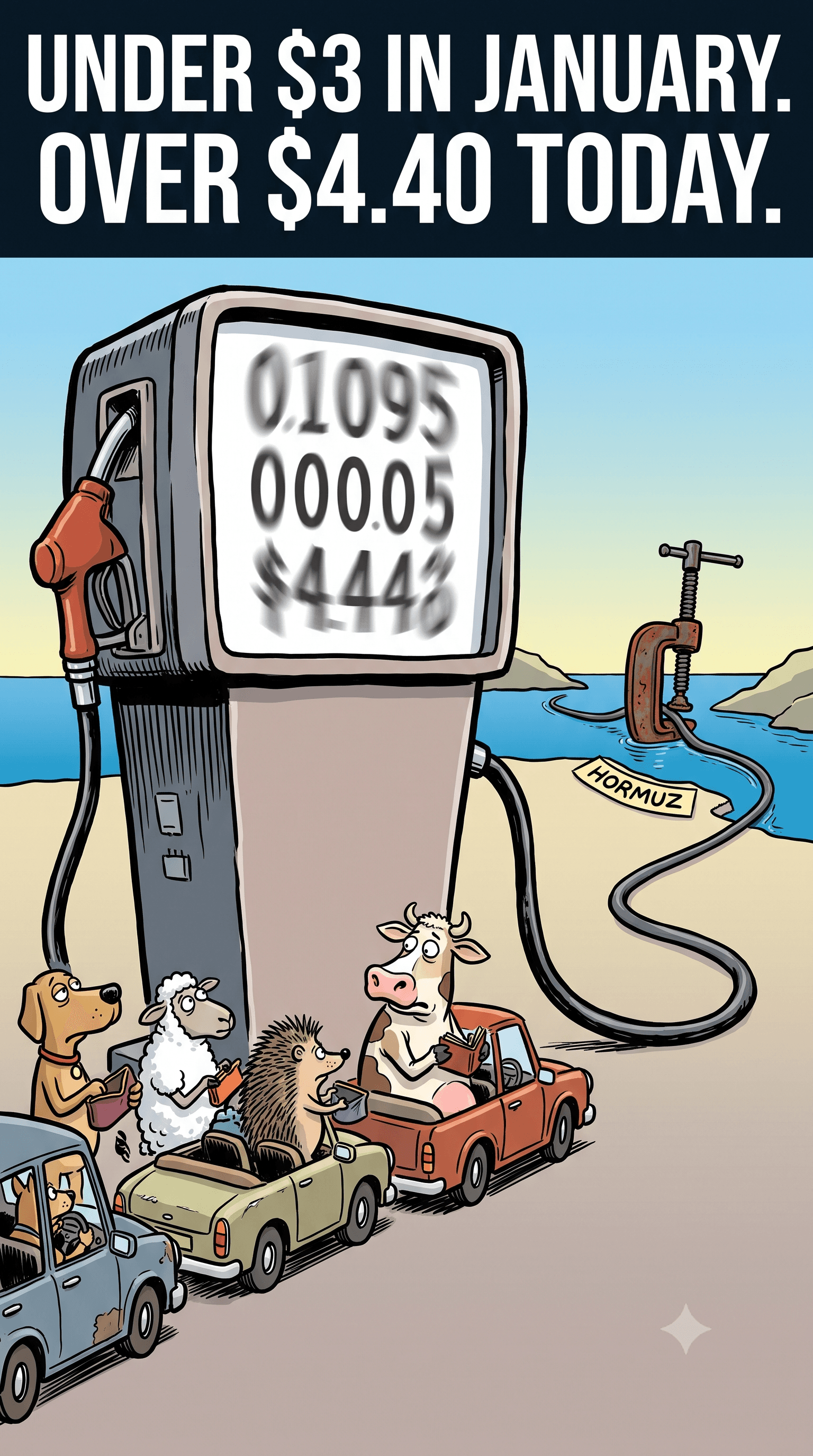
The financial warfare is also expanding into crucial maritime chokepoints. Tensions are particularly high in the Strait of Hormuz, a vital global route for international oil distribution. The US Office of Foreign Assets Control has issued stark warnings to global shipping firms, stating that they could face severe sanctions risks if they pay Iran to secure safe passage through the strait. The US government has classified this practice as an Iranian “tollbooth” system, cautioning that any payments—whether cash, digital assets, or in-kind transfers—will expose companies to strict penalties.
According to Abdul Majeed Hakeem Ilahi, the Representative of Iran's Supreme Leader in India, the current standoff between Iran and the Israel-US alliance can be characterized as a tense state of “no war, no peace”.
Economic and Diplomatic Implications
The categorical refusal by China's Commerce Ministry to recognize the US sanctions marks a critical hardening of the global economic divide. By issuing an official injunction blocking recognition or compliance, Beijing is effectively shielding its domestic industries and daring Washington to escalate secondary enforcement measures.
Analysis: This creates a perilous environment for global financial institutions and multinational corporations that operate in both American and Chinese markets. If the US decides to enforce secondary sanctions on the international banks processing payments for these five refineries, it could trigger a massive decoupling of energy trade financing.
Outlook: A Multipolar Energy Order
The standoff over Iranian oil illustrates the profound limits of unilateral economic statecraft in an increasingly multipolar world. The United States continues to leverage its dominance over the global financial system to isolate adversaries. However, China's official policy of non-compliance demonstrates that major economic powers are willing and able to construct alternative trade frameworks.
As the war in the Middle East continues, energy security remains a paramount concern for Beijing. The "teapot" refineries' reliance on discounted Iranian crude represents a vital economic lifeline for both nations. Moving forward, the global market can expect to see an expansion of Iran's shadow fleet, greater reliance on alternative transaction frameworks, and deepened energy cooperation between sanctioned nations. The immediate question remains whether the US will risk triggering a broader trade dispute with China by directly penalizing the financial institutions facilitating these oil trades.