The United States Strategic Petroleum Reserve (SPR), the world’s largest emergency crude oil stockpile, has dropped below 300 million barrels for the first time since January 1983. Triggered by a massive 172-million-barrel emergency drawdown in response to the ongoing Iran conflict, the historic depletion is raising alarms among engineers and energy analysts.
As the stockpile shrinks toward a projected floor of 243 million barrels, a fierce debate has emerged regarding the physical limits of the reserve. Experts warn that the aggressive pace and frequency of recent releases threaten the structural integrity of the underground salt caverns that house the oil, potentially crippling the nation’s ability to respond to future energy crises.
The 172 Million Barrel Emergency Release
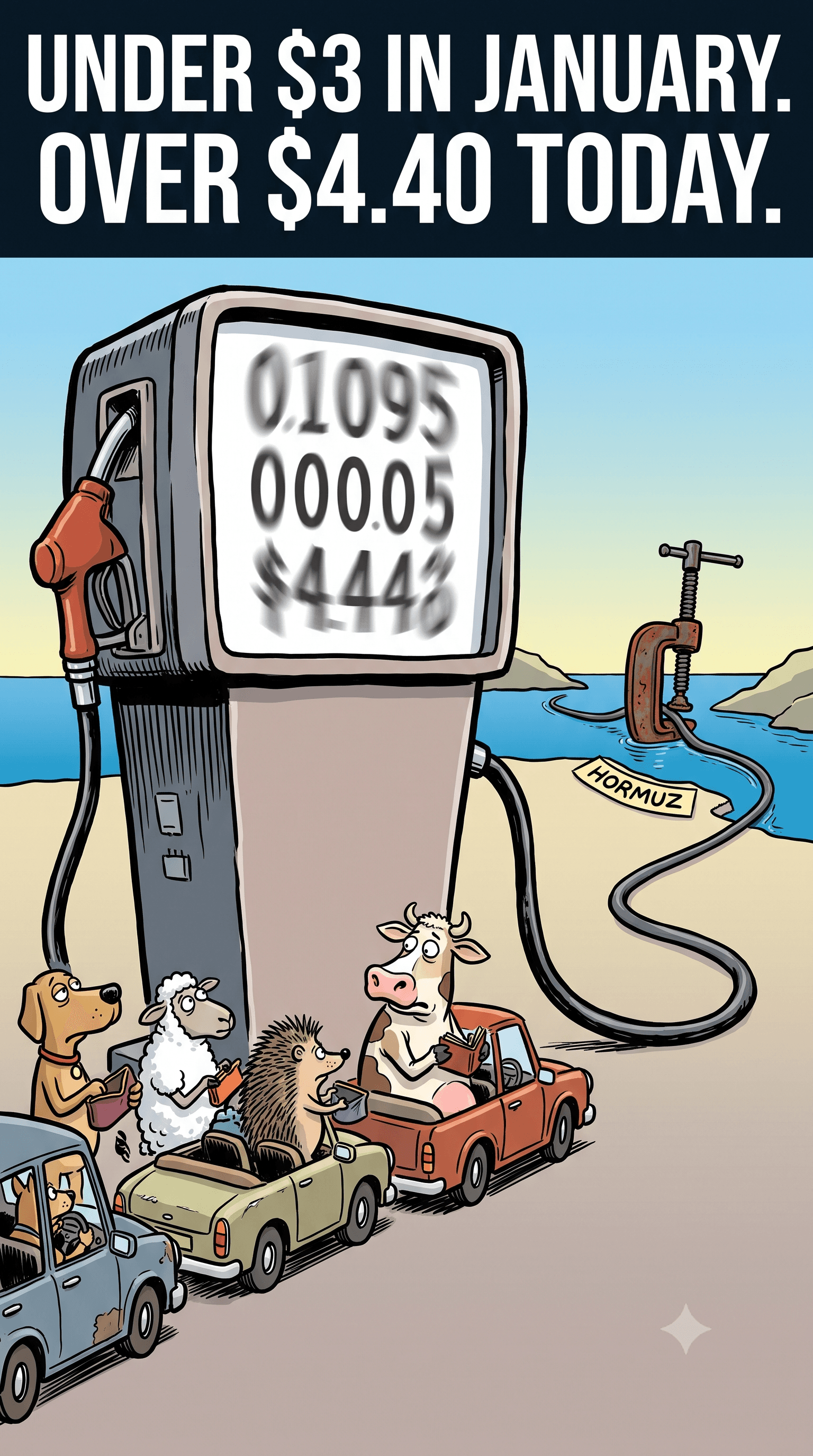
The current drain on the SPR was initiated in March 2026 following disruptions in the Middle East. After Iran moved to choke off tanker traffic through the Strait of Hormuz—a vital maritime chokepoint that previously carried nearly 20% of the global oil supply—the Trump administration authorized the 172-million-barrel release to stabilize surging global crude prices.
Unlike standard direct sales, a significant portion of this mobilization operates as an exchange. The Department of Energy (DOE) has lent over 133 million barrels to energy companies, requiring them to return the same volume at a later date, with repayment premiums reaching as high as 28% on individual contracts. While this lending structure aims to eventually replenish the stockpile, it places immediate, unprecedented strain on the aging infrastructure tasked with executing the rapid outflow.
The Mechanics of Salt Caverns and Structural Strain
The SPR does not store its crude in traditional surface tanks. Instead, the oil is held thousands of feet underground in 60 massive, artificially created salt caverns spread across four heavily guarded sites along the Gulf of Mexico coasts of Texas and Louisiana.
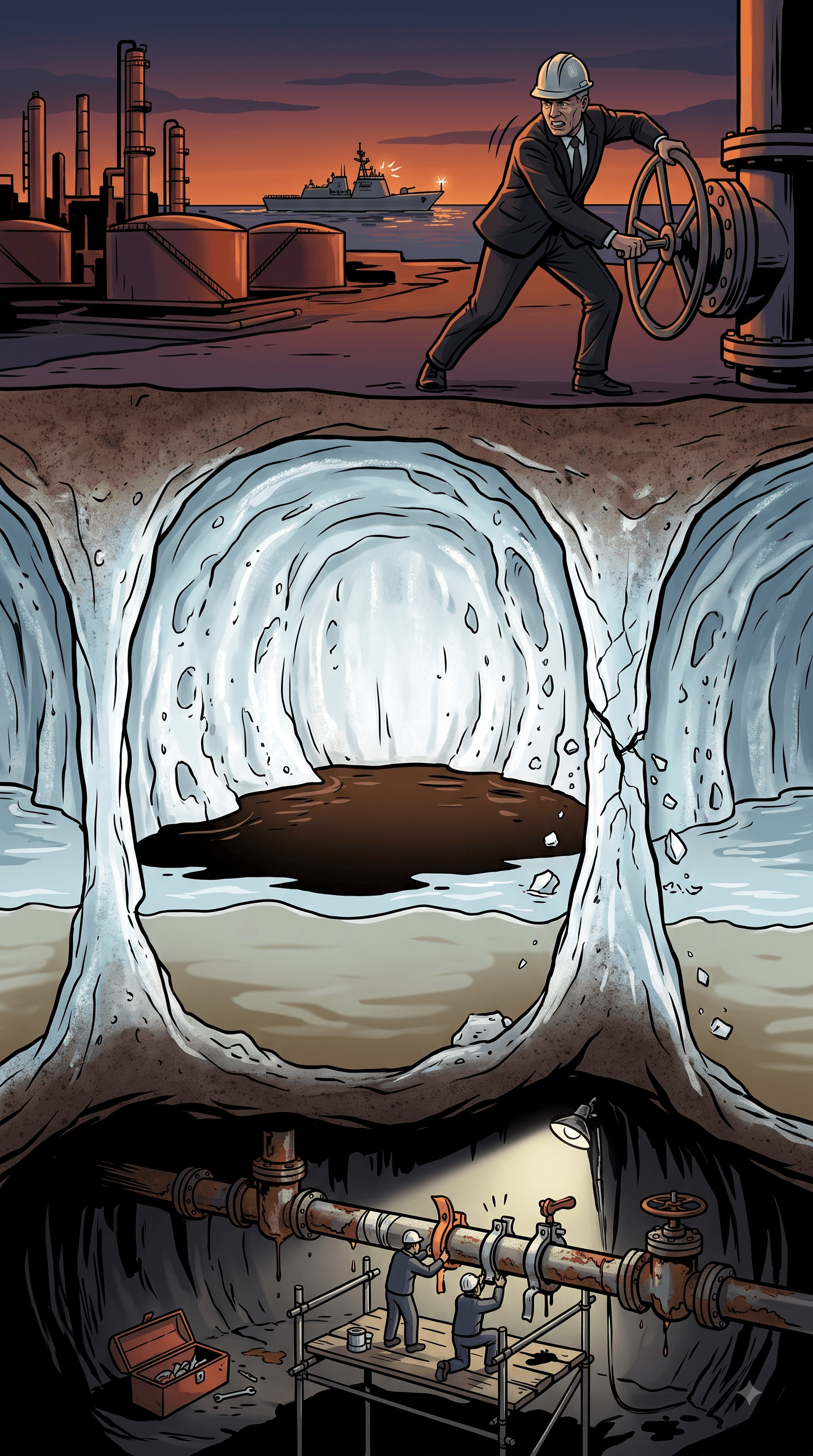
The engineering mechanism used to extract this oil is effective but physically demanding. To initiate a drawdown, engineers pump massive volumes of fresh water into the bottom of the caverns. Because oil is lighter than water, it floats to the top and is forced out through surface wellheads.
However, this hydraulic process carries a compounding cost. Fresh water naturally dissolves salt. With every repeated drawdown and refill cycle, the incoming water leaches the cavern walls, deforming their original cylindrical shapes. Over decades of operation—and accelerated by the historic 180-million-barrel release in 2022 followed by the 2026 Iran emergency release—this dissolution threatens to thin and weaken the subterranean salt pillars that separate neighboring caverns. As the oil layer thins, the risk of exposing and damaging submerged pumping pipes and infrastructure dramatically increases.
Competing Expert Estimates on Safe Operating Levels
The rapid depletion has ignited a sharp disagreement over the SPR's minimum safe operating capacity. According to the Department of Energy, the reserve can safely operate down to a strict physical minimum of roughly 70 million barrels. This threshold is calculated as the baseline volume required to keep the extraction pipes permanently submerged in oil rather than water.
Independent engineers and former energy officials argue that this 70-million-barrel figure is an unrealistic baseline that ignores the practical realities of infrastructure degradation. Siddharth Misra, a professor of petroleum engineering at Texas A&M University, estimates the true operational minimum is closer to 250 to 300 million barrels. Dropping below this level, he cautions, escalates the risk of catastrophic pipe damage and severe salt wall dissolution.
Amos Hochstein, a former senior energy advisor to President Joe Biden, has publicly echoed these concerns, calling the 70-million-barrel floor "nonsense." Hochstein warned that depleting the stockpile below the 300-million-barrel mark invites long-term damage that could prevent the SPR from ever being fully resurrected to its authorized 714-million-barrel capacity.
A Growing Backlog: The May 2026 GAO Report
These engineering concerns are backed by stark federal oversight data. In May 2026, the Government Accountability Office (GAO) published a critical assessment (GAO-26-106918) detailing severe operational limitations within the reserve's aging network of pumps, seals, and surface pipelines—most of which were installed in the late 1970s and 1980s.
The GAO report revealed that as of late 2025, more than a quarter of the SPR's inventory was entirely unavailable for emergency drawdown due to a combination of cavern outages and ongoing construction work. More alarmingly, the reserve's core performance metrics have severely degraded:
Withdrawal Capability: Operating at approximately 61% of its original design rate.
Refill Capability: Fallen to just 56% of design specifications.
The report highlighted an extended backlog of deferred maintenance and significant delays in the DOE’s Life Extension Phase 2 modernization program. Because construction and repairs must happen in parallel with emergency operations, vital caverns and pipeline segments are frequently taken offline, effectively trapping millions of barrels underground when they are needed most.
The Energy Department's Rebuttal
Despite the GAO findings and external warnings, the Department of Energy maintains that the SPR remains structurally sound and fully capable of executing its national security mandate.
Ben Dietderich, a spokesperson for the Energy Department, recently dismissed claims regarding the risk of cavern collapse. Dietderich emphasized that the underground caverns are never truly "empty" or hollowed out; they are constantly filled with liquid, and a drawdown simply changes the ratio of oil to water inside the structure. Furthermore, the DOE noted that comprehensive assessments conducted following the massive 2022 drawdown found the vast majority of the salt caverns to be in very good condition. The agency insists that the current administration is managing the asset responsibly and safely navigating the balance between market intervention and infrastructure preservation.
Impact and Future Outlook
As the Strategic Petroleum Reserve drifts toward the 243-million-barrel mark, the United States faces a precarious energy security landscape. The degraded withdrawal capability means that if another global supply shock occurs, the SPR will push oil into the market much slower than it could a decade ago.
More critically, the diminished refill capability of 56% ensures that recovering from the 2026 Iran war release will take significantly longer. With the physical machinery wearing down and the salt caverns facing cumulative geological strain, lawmakers and the DOE will soon be forced to decide whether the SPR requires a fundamental, multi-billion-dollar overhaul—or if the era of treating the reserve as a limitless, rapidly deployable geopolitical shock absorber has permanently come to an end.