The geopolitical landscape of the Middle East has reached a critical inflection point. In a dramatic escalation of the shadow war over global energy arteries, U.S. military forces fired upon and disabled two Iranian oil tankers in the Gulf of Oman on Friday, May 8, 2026. The strikes occurred amidst a flurry of drone engagements, activated air defenses in the United Arab Emirates, and reports of injured civilian mariners.
This sudden surge in military kinetic action threatens to shatter a fragile, month-old ceasefire that has paused the broader regional conflict that erupted in late February. As the vital Strait of Hormuz remains effectively shuttered to global commerce, the Biden-turned-Trump administration is heavily leveraging military force to pressure Tehran into a sweeping, one-page diplomatic memorandum to end the war and freeze its nuclear program. The stakes are unprecedented: the global economy, the stability of international shipping, and the very architecture of Middle Eastern security hang violently in the balance.
The Military Escalation: Fire in the Gulf
The events of the past 48 hours have abruptly shifted the paradigm from diplomatic posturing back to direct military confrontation. On Friday, the U.S. military released footage confirming that American fighter jets had struck the smokestacks of two Iranian tankers. According to U.S. Central Command, these vessels were actively attempting to breach the U.S.-enforced naval blockade of Iran's ports.
This incident followed a similar strike on Wednesday, May 6, when a U.S. jet shot out the rudder of another Iranian tanker in the Gulf of Oman. The military tit-for-tat has rapidly accelerated. Late Thursday, U.S. forces thwarted coordinated Iranian attacks targeting three American Navy ships in the Strait of Hormuz, responding with strikes against Iranian military facilities.
The fallout is bleeding into the broader region and civilian sectors:
UAE Air Defenses Activated: Early Friday morning, the United Arab Emirates reported intercepting incoming ballistic missiles and drone threats launched by Iran, forcing authorities to issue emergency civilian warnings.
Civilian Casualties: Seven Filipino seafarers were hospitalized—three in serious condition—after their Maltese-flagged container ship, the CMA CGM San Antonio, was struck by a reported Iranian drone while transiting the strait.
Coastal Blasts: State and semi-official Iranian media reported explosions and anti-aircraft fire near Qeshm Island and Bandar Abbas, highly strategic nodes overlooking the strait.
U.S. Secretary of State Marco Rubio defended the strikes forcefully, stating, "They threaten Americans, they are going to be blown up". Conversely, Iranian Foreign Minister Abbas Araghchi condemned the actions as a "reckless military adventure" that violates the terms of the April 8 ceasefire.
The Diplomatic Tightrope: A High-Stakes Memorandum
The violence on the water runs parallel to intense, high-stakes diplomacy mediated largely by Pakistan. Behind closed doors, Washington and Tehran are reportedly inching toward a comprehensive settlement, even as they exchange fire.
According to leaked intelligence, the White House believes it is near an agreement on a one-page memorandum of understanding designed to permanently halt the war. The provisions of this proposed framework are highly ambitious:
Nuclear Moratorium: Iran would commit to a 12-to-15-year moratorium on uranium enrichment.
Economic Relief: The U.S. would offer partial sanctions relief and facilitate the distribution of frozen Iranian funds.
Maritime Freedom: A phased, immediate reopening of the Strait of Hormuz to international shipping.
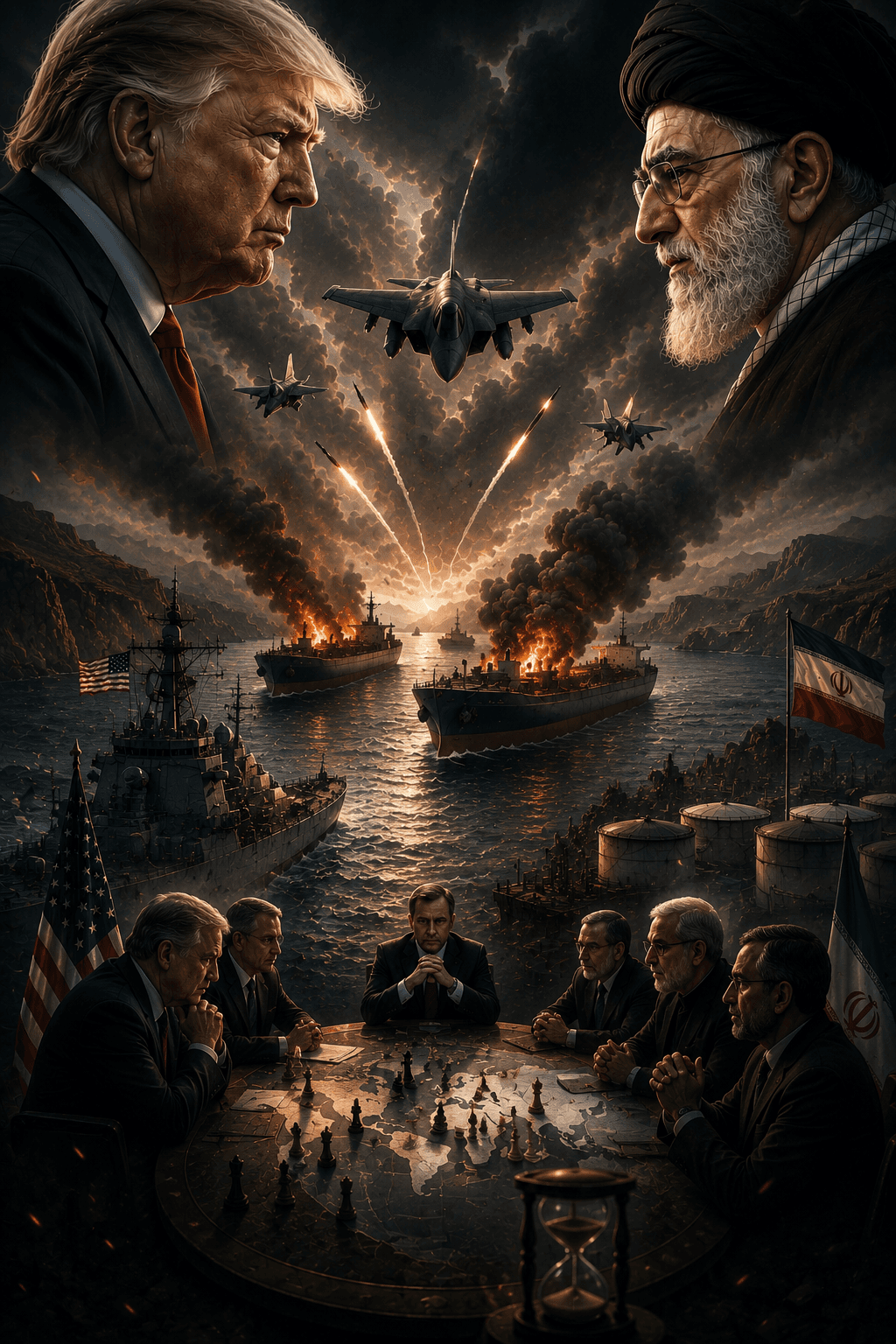
President Donald Trump has utilized a strategy of maximum pressure, utilizing the U.S. naval blockade as leverage. “If they don't agree, the bombing starts,” the President warned earlier this week, emphasizing that military action would resume at a "much higher level and intensity" if diplomatic channels fail. While the Iranian Foreign Ministry has publicly "strongly rejected" the U.S. proposals as reported in the press, they are reportedly still reviewing the framework internally. Secretary Rubio noted Friday that Washington is actively awaiting "a serious offer" from Tehran.
The Economic Stranglehold: A Chokepoint Paralyzed
The most immediate global consequence of this standoff is the total paralysis of the Strait of Hormuz, historically the world's most critical energy artery. Since the war's outbreak in late February—which included U.S. and Israeli strikes and the assassination of Iran's Supreme Leader—the waterway has been effectively closed.
The logistics and supply chain crisis is widely considered the most severe in modern history:
Trapped Assets: Over 1,550 commercial vessels remain stranded in and around the strait, trapping approximately 22,500 civilian mariners in a highly volatile war zone.
Energy Blockade: The closure has severed access to roughly 20% of the world's daily oil supply and 20% of global liquefied natural gas (LNG) shipments. QatarEnergy previously declared force majeure on all LNG shipments, sending shockwaves through European and Asian markets.
Operation Paused: President Trump's "Project Freedom"—a U.S. military escort initiative launched on May 4 to guide stranded commercial ships out of the gulf—was paused after just two days to allow diplomatic negotiations room to breathe.
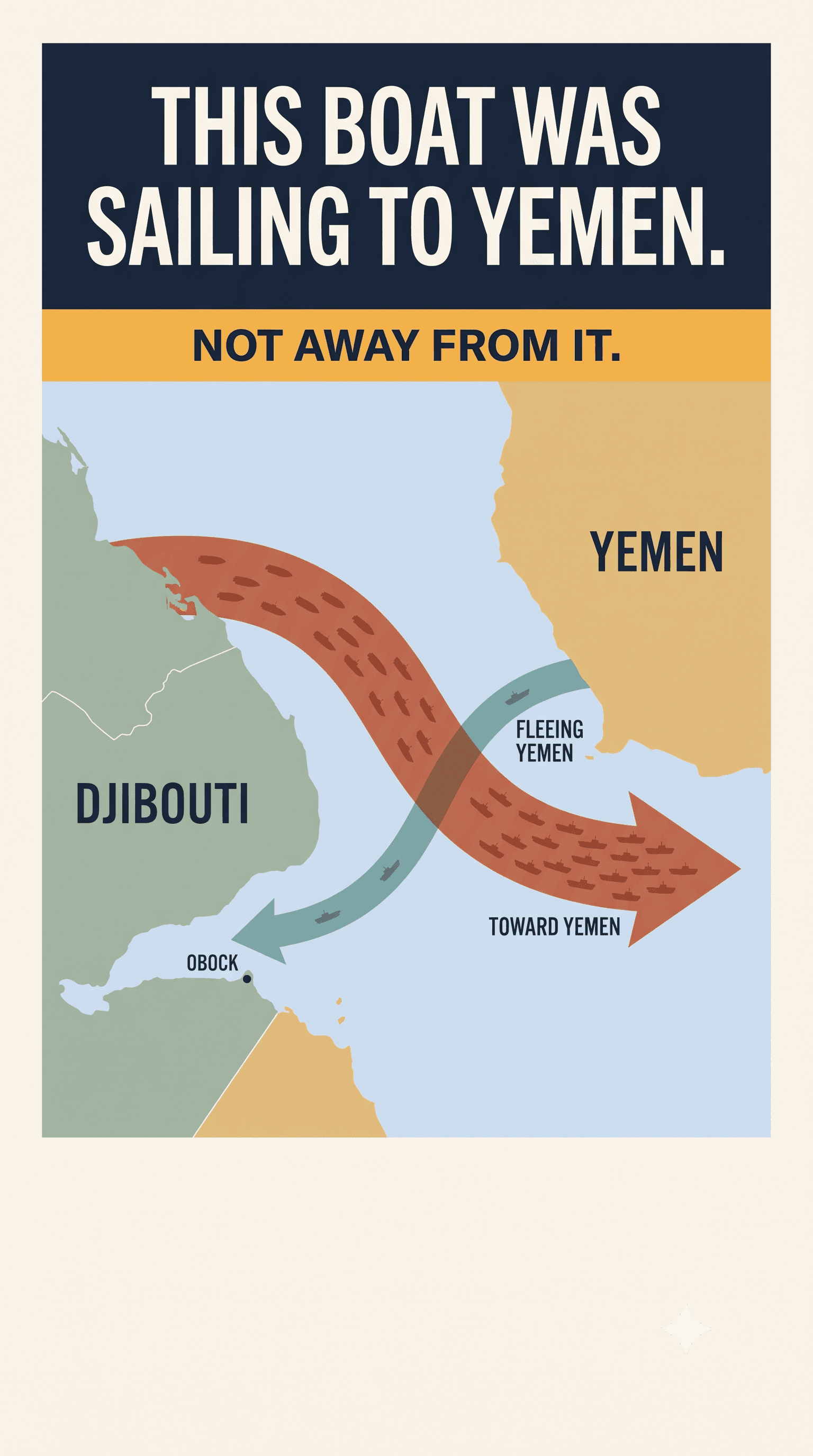
With both the Red Sea and the Strait of Hormuz simultaneously compromised, the maritime shipping industry is buckling. Port congestion across the Middle East is reaching critical mass, and major logistics firms like DHL are warning clients that shipping routes will take a minimum of four to six months to normalize, even if a peace deal is signed tomorrow.
Strategic Outlook: What Happens Next?
The geopolitical theater of the Middle East is currently operating on a razor's edge. The U.S. strategy of executing targeted strikes on Iranian economic assets while simultaneously offering a diplomatic off-ramp is a perilous balancing act.
If Iran capitulates to the memorandum, the world could witness a historic de-escalation, effectively neutralizing Iran's nuclear ambitions for over a decade while restoring stability to global energy markets. However, if the Iranian leadership perceives the U.S. tanker strikes not as pressure tactics but as outright acts of war that void the April ceasefire, the region could rapidly plunge back into the devastating, full-scale conflict seen in February and March.
The next 72 hours are critical. The global economy, tethered to the stalled ships in the Persian Gulf, watches and waits as Washington and Tehran decide between compromise and catastrophe.