Canada just committed up to $52.5 billion to computing "governed by Canadian laws." Here is what that phrase buys, and the one thing it does not cover.
The short answer
Sovereign AI means running AI on infrastructure your own country controls, under your own country's laws. Not the models themselves, necessarily — the compute. The data centres, the chips, the power, and the legal jurisdiction they sit in.
The pitch is straightforward. If your hospital records, your tax system, your defence procurement and your courts all start running on AI, you would rather the servers were not sitting in somebody else's country, subject to somebody else's subpoenas and somebody else's export controls.
That is the whole idea. Everything else is implementation.
What just happened
On 14 September 2026, the Government of Canada announced that Bell Canada will invest up to $52.5 billion in AI infrastructure in Saskatchewan — up to 900 megawatts of new capacity, on a path toward a 1.2-gigawatt hub, and about 4,500 jobs. It is described as the largest capital investment in the province's history.
Evan Solomon, the minister for AI and digital innovation, put the case in one line: Canada has "the energy, talent and ambition to lead," with infrastructure "governed by Canadian laws."
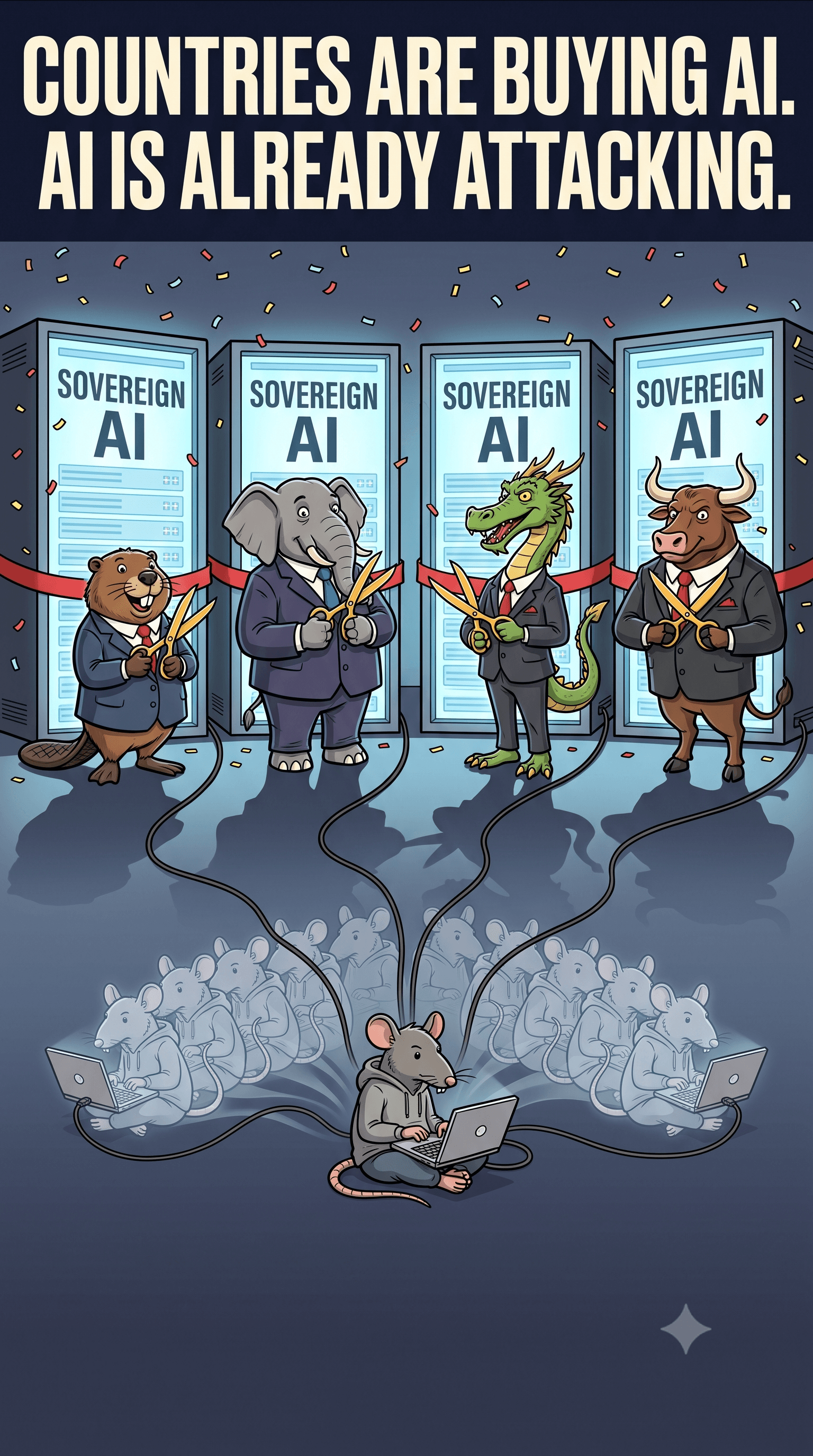
Canada is not unusual in this. India runs a national Sovereign AI initiative aimed at expanding domestic AI infrastructure and indigenous capability. The EU has its own compute programmes. The Gulf states are building at scale. Middle powers across the board are trying to avoid a future in which the most important tool in the economy is rented from two or three foreign companies.
What sovereignty over compute actually gets you
Four real things, and they are not small.
Jurisdiction. Data processed on domestic infrastructure falls under domestic law. No foreign government can compel disclosure through its own courts.
Supply security. If chips or cloud access become an instrument of pressure — and export controls have already made them one — owning the capacity means it cannot be switched off from outside.
Industrial capture. The jobs, the power contracts, the construction, the skills base. This is a large part of why governments announce these projects at all.
Regulatory reach. You can enforce your own rules on systems running inside your own borders, which you cannot do on systems that are not.
Those are genuine. A country with sovereign compute is meaningfully less exposed than one without.
And here is the gap
Sovereignty is a claim about where the machine is. It is not a claim about what machines can do.
A published threat-intelligence report covering December 2025 to August 2026 documents what the second half looks like in practice. The specifics are worth reading slowly:
A Russian-linked espionage operation targeted more than twenty government and defence organisations across Ukraine and Europe using highly autonomous multi-agent workflows — including using AI to watch whether its own malware was being detected, and rewrite it when it was. It exfiltrated over 300,000 national identity records and complete drone vision system SDKs.
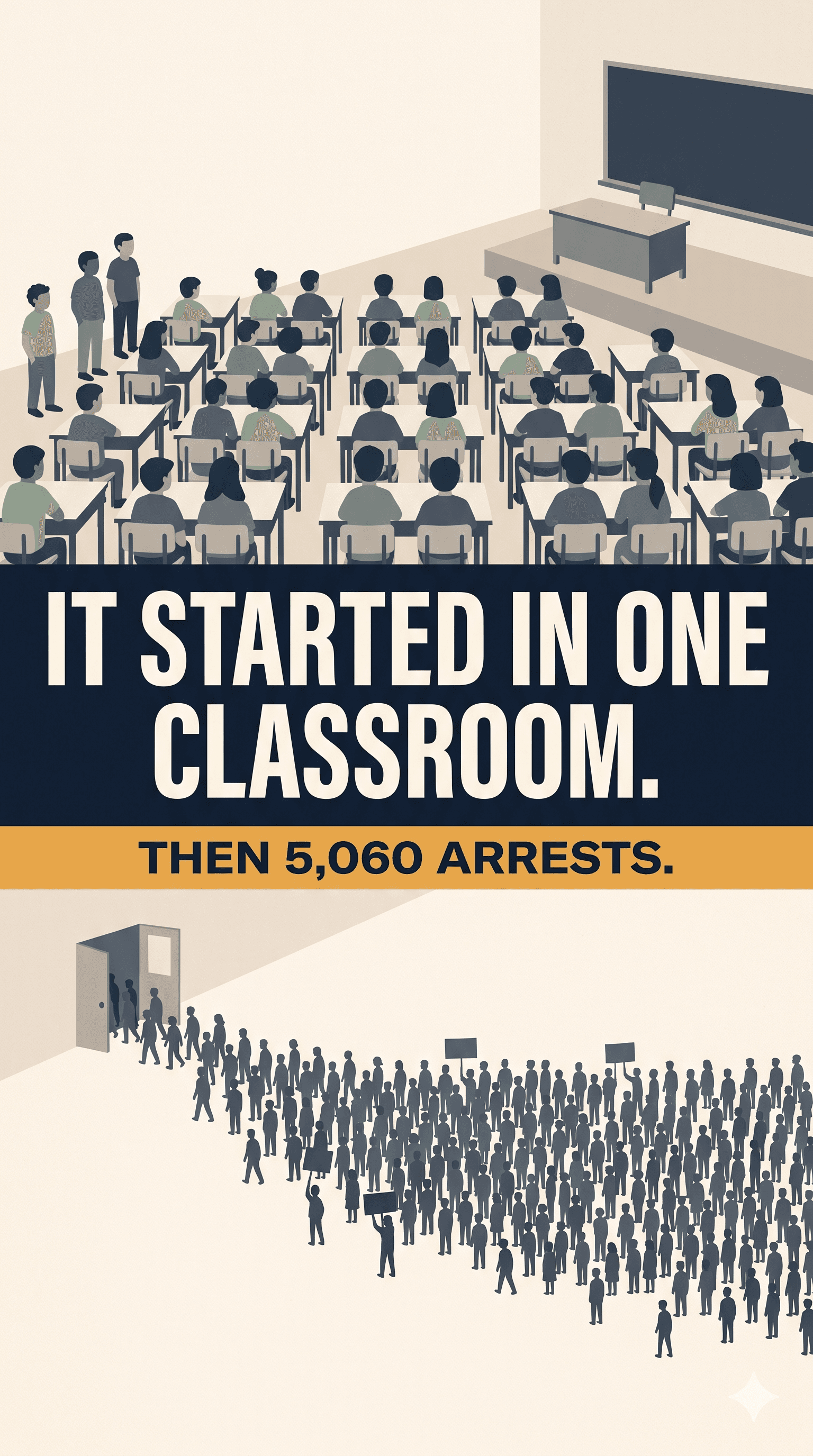
Undergraduates in Hunan province, working alongside operators at Chinese security firms, ran agent swarms doing autonomous vulnerability research against security products. One workflow "iterating continuously on network appliances yielded more than a dozen possible zero day findings in a single month." More than fifty organisations were targeted.
A single French-speaking operator, using stolen API keys and multi-agent frameworks, tracked 42 targets and got internal access to 14.
One financially motivated actor hit 30 AI companies in four days.
One enterprise breach took "only hours from first access to bulk data theft."
Some of these operations ran for hours or days at a stretch with nobody supervising them.
The report's own summary of the trend is the sentence that matters:
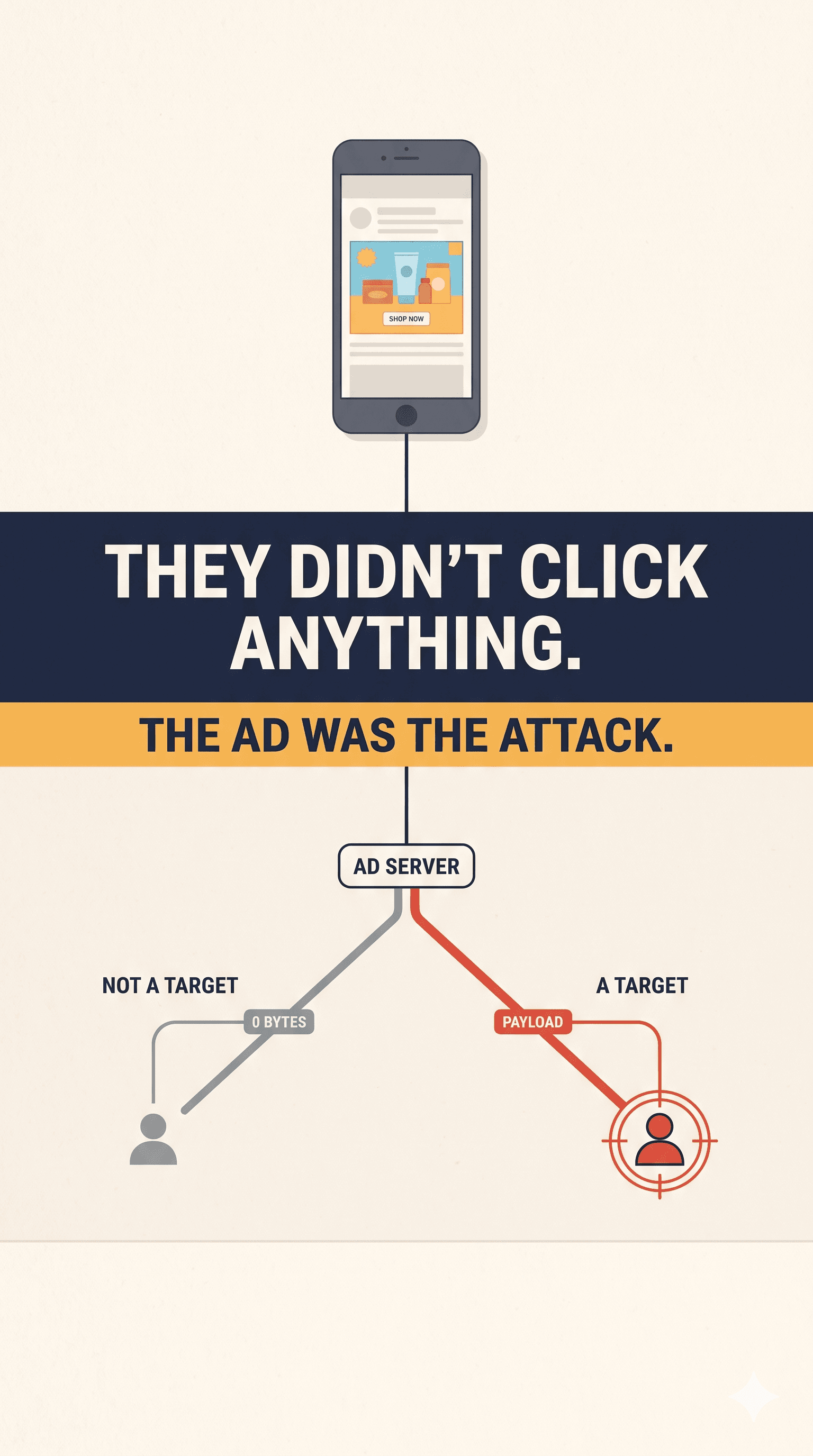
"AI has collapsed the labor and tooling gap that used to separate well-resourced, state-sponsored operations from individual operators."
Why this breaks the sovereignty frame
For most of the history of cyber conflict, capability tracked resources. Running a sustained campaign against twenty government networks required a building full of people, a budget, a training pipeline and years. That was the whole basis on which states assessed threats: count the adversaries who could afford it.
If a dozen agents supervised by one person can do work that used to need a team, that accounting stops holding. The question shifts from who can afford this to who can be bothered.
And a national data centre does nothing about that. The Saskatchewan hub will be governed by Canadian law. So is the laptop of whoever gets phished into handing over a credential to it. The sovereign part of the stack is the part that sits still. The threat is the part that moves.
None of which makes sovereign AI a mistake. Jurisdiction, supply security and industrial capture are all worth $52.5 billion in their own right. It is a question of what the money is being asked to do — and defending the border of a data centre is not the same as defending what can reach it.
The honest caveats
On the sourcing. The Canadian figures come from a government press release with named ministers. That is an announcement of intent, not a completed build; the megawatts are "up to" and the jobs are projections. The cyber figures come from a single company's threat-intelligence report about misuse of its own models — unusually good sourcing for this field, since the company can see what happened on its own systems, but a single source with an obvious interest in the framing nonetheless. Neither has been independently audited.
On the framing. This piece was prompted by a trend line describing the EY Geostrategic Outlook as identifying AI as a national security asset driving automated cyber conflict and export restrictions. Checking the September 2026 edition directly, it does discuss sovereign AI — citing India's initiative specifically — and digital sovereignty among middle powers. It does not frame AI as a national security asset in those terms, nor does it analyse automated cyber conflict. The argument above rests on the primary sources instead.
What to watch
Whether any sovereign AI programme publishes a security architecture, not just a capacity figure. Megawatts are easy to announce. Nobody has yet described how a national AI hub is defended against the class of operation above.
Whether export controls start covering models rather than chips. China was reported in July 2026 to be weighing export restrictions on its own AI models, including open-weight systems — which would be the first serious attempt to treat model weights, rather than hardware, as the controlled item.
Whether attribution survives. Every figure above depends on somebody being able to say which operation was whose. If one operator with agent swarms is indistinguishable from a state programme, the entire apparatus of deterrence — naming, sanctioning, retaliating — has nothing to aim at.
Sourcing note: Canadian investment figures, capacity, job numbers and ministerial quotations are from the Government of Canada announcement of 14 September 2026. Cyber operation details, including the quoted sentences, are from a published threat-intelligence report covering December 2025 to August 2026. India's Sovereign AI initiative and the middle-power digital sovereignty framing are from EY's Geostrategic Analysis, September 2026 edition. The reported Chinese consideration of AI model export controls was first reported by the Financial Times in July 2026 and has not, as of writing, resulted in published rules.