The geopolitics of the Middle East experienced a tectonic shift following the outbreak of the Israel-Hamas war in late 2023. While much of the international community's focus remained fixed on Gaza and the Israel-Lebanon border, a highly disruptive front quickly opened to the south. Yemen’s Houthi movement—formally known as Ansar Allah—injected itself directly into the broader West Asia conflict. By launching ballistic missiles and drones toward the Israeli port city of Eilat and systematically attacking commercial vessels in the Red Sea, the Houthis transformed a localized war into a sprawling crisis with severe global economic ramifications.
Understanding why a militant group, which has been fighting a devastating, decade-long civil war within its own borders, would choose to enter a broader regional conflict requires looking beyond the immediate headlines. The Houthi intervention is driven by a complex blend of ideological solidarity, domestic political calculus, and grand strategic ambitions within the shifting architecture of the Middle East.
The Ideological Catalyst: Solidarity with Gaza
At the core of the Houthi movement’s public messaging is a fierce, ideological opposition to Israel and the United States. The group’s official slogan, known as the sarkha (the scream), explicitly calls for the destruction of both nations. When the conflict in Gaza erupted, the Houthis capitalized on the genuine, widespread sympathy for the Palestinian cause that exists among the Yemeni population.
By positioning themselves as the armed defenders of Gaza, the Houthis have claimed a moral high ground that resonates deeply across the Arab and Islamic world. Unlike many regional governments that have limited their responses to diplomatic condemnations, the Houthis have taken direct kinetic action. This ideological framing allows them to project an image of righteous defiance, bolstering their legitimacy both domestically and internationally among populations sympathetic to the Palestinians.
Strategic Posturing and the Elevation to Regional Power
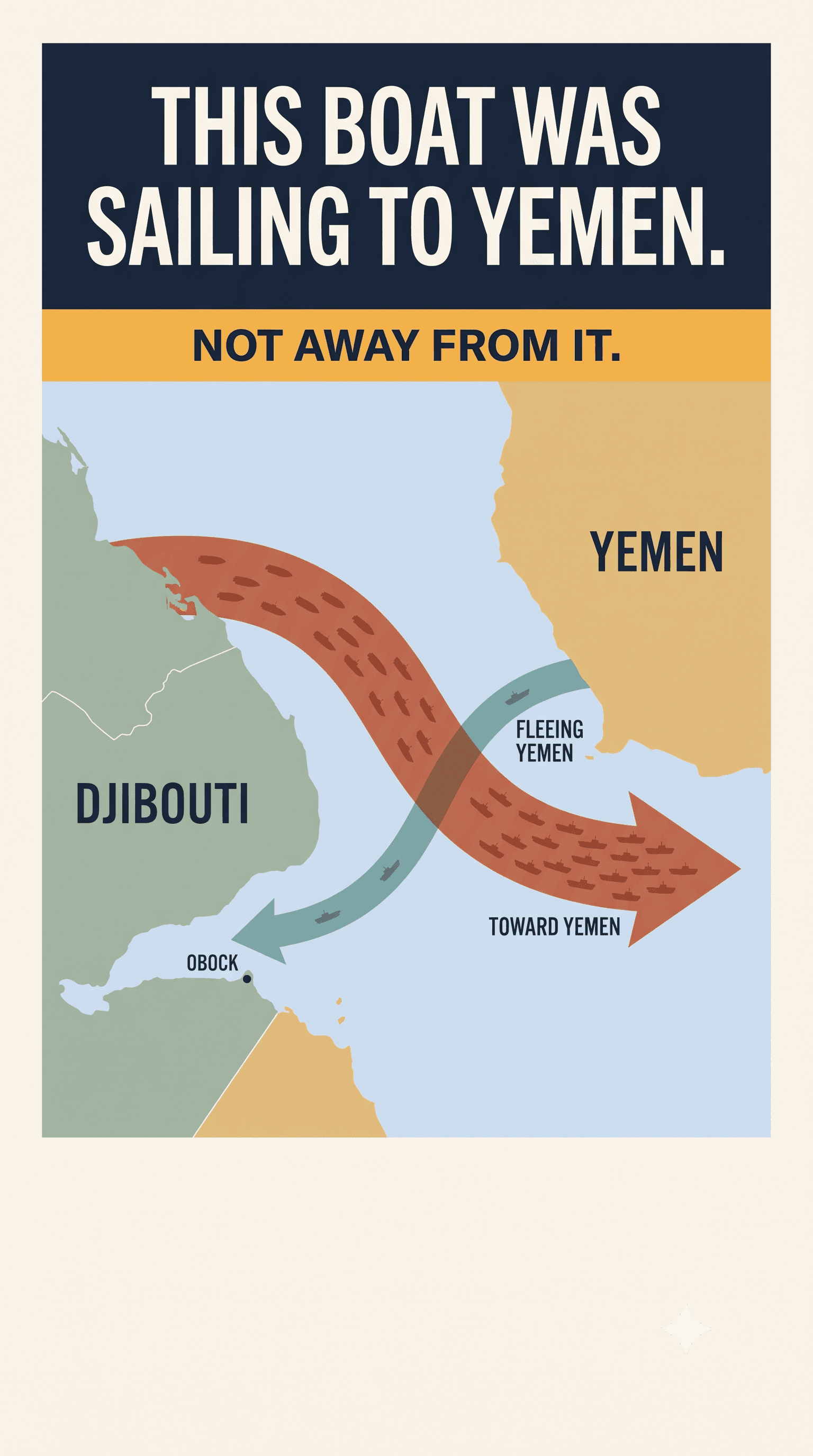
Prior to these maritime attacks, the Houthis were primarily viewed by the international community as a formidable but localized Yemeni insurgency. Their entry into the West Asia war has fundamentally altered that global perception. By demonstrating their ability to choke off the Bab el-Mandeb Strait—a vital maritime chokepoint through which approximately 12% to 15% of global trade passes—they have forced the world to acknowledge them as a major regional player.
This aggressive posturing serves a dual purpose. First, it forces the international community, including the United States and the European Union, to deal directly with the Houthis as a de facto sovereign authority, rather than just a rebel faction. Second, it demonstrates their evolving military capabilities—specifically their advanced arsenal of anti-ship ballistic missiles and suicide drones—serving as a powerful deterrent against future regional adversaries.
The 'Axis of Resistance' Dynamics
The Houthis are a prominent member of the "Axis of Resistance," an informal political and military coalition backed by Iran, which includes Hezbollah in Lebanon, various Iraqi Shia militias, and Hamas. While the Houthis maintain a high degree of operational independence and act on their own local imperatives, their actions in the Red Sea align perfectly with Iran’s broader regional strategy.
By applying pressure on global shipping and drawing U.S. and U.K. naval forces into a sprawling maritime security operation, the Houthis are effectively distracting and stretching Western military resources. This strategy of "unified fronts" allows the Axis of Resistance to impose heavy costs on Israel and its allies without triggering a direct, all-out regional war that could threaten the immediate survival of Iran or Hezbollah.
Domestic Consolidation in Yemen
Beyond regional geopolitics, the Houthis’ entry into the war serves vital domestic interests. Despite controlling the capital, Sana'a, and the majority of Yemen’s population centers, the Houthi government has struggled in recent years with severe economic crises, unpaid public sector salaries, and growing domestic frustration after years of war and blockade.
The intervention in the West Asia conflict has provided a crucial rallying point. It has allowed the Houthis to redirect public anger away from their own governance failures and toward external enemies. The campaign has sparked a massive wave of recruitment, with tens of thousands of young Yemeni men joining their ranks under the banner of fighting for Jerusalem. In essence, the external war is functioning as a highly effective tool for internal political consolidation.
Economic and Global Trade Implications
The fallout from the Houthis' strategic calculation has been felt in boardrooms and consumer markets worldwide. The Red Sea is the primary artery connecting Asian manufacturing hubs with European consumer markets via the Suez Canal. The Houthi attacks have forced major shipping conglomerates to reroute their massive vessels around the Cape of Good Hope in South Africa.
This detour adds roughly 10 to 14 days to transit times, significantly increasing fuel costs, sending maritime insurance premiums soaring, and disrupting perfectly tuned global supply chains. The economic ripple effects—ranging from delayed deliveries of consumer goods to the temporary halting of production lines at European auto manufacturing plants—highlight the immense asymmetric leverage the Houthis have quickly acquired.
Outlook and the Challenge of Deterrence
As the West Asia war continues to evolve, the Houthis have established a volatile new normal in maritime security. Retaliatory airstrikes by the United States and the United Kingdom have targeted Houthi radar installations, missile launch sites, and weapons depots. However, these tactical strikes have thus far failed to re-establish total deterrence. Having survived years of intense bombardment by a Saudi-led coalition, the Houthis are highly resilient, dispersed, and accustomed to enduring air campaigns.
Ultimately, the Houthis’ entry into the broader regional conflict has solidified their status as an indispensable, highly disruptive factor in any future Middle Eastern security architecture. Even if a lasting ceasefire is eventually reached in Gaza, the Houthis have proven that they hold the key to one of the world’s most critical maritime corridors—a strategic advantage they are unlikely to surrender quietly.